Tommy Cowan at 80, a living journey through Jamaican music history
Tommy Cowan’s 80th birthday doubles as a tour through ska, rocksteady, reggae, gospel, and ministry. His career is the living bridge between Jamaican music’s eras.
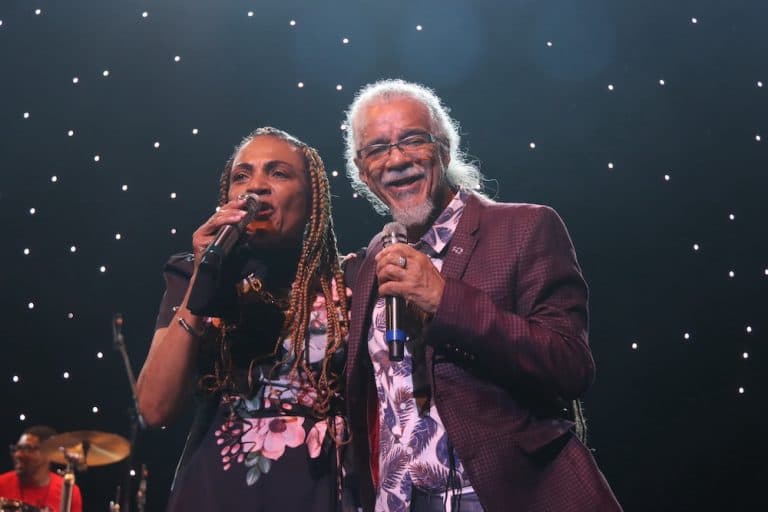
Tommy Cowan at 80, still standing at the center of the music
Tommy Cowan’s life reads like a map of Jamaican music because he helped move through it, one era at a time. Singer, manager, producer, MC, and later a voice tied to gospel and ministry, he has spent decades doing the unglamorous but essential work that keeps a scene alive. Music has shaped his life since childhood, and that is the key to understanding why his story still matters: he was never just on the stage, he was part of the machinery around it.
What makes Cowan such a useful figure to trace is the range of roles he has held. He sang, toured, managed artistes, and emceed concerts, but he also became one of those dependable connectors Jamaican music has always needed, the person who can move between performance, production, and promotion without losing the feel of the culture. At 80, he is not being presented as a relic. He is being presented as proof that careers in this music are built by staying useful across generations.
From St Hugh’s High School to ska’s front line
Cowan’s own recollections begin long before the big-name credits. As a teenager, after performing at St Hugh’s High School in 1963, he was asked to join a group of singers, a small invitation that opened the door to a much larger life in music. That path led him to the Merricoles and then into the early ska era, where the pace was fast, the scene was still forming, and the standards were being written in real time.
His memories place him close to the core of that period. He recalls meeting the Skatalites and Jackie Mittoo, names that immediately anchor him inside the sound and the sessions that defined the era. He also recorded “Chain Gang Ska,” a detail that matters because it shows Cowan was not watching the birth of ska from the sidelines. He was inside the room, part of the first generation turning Jamaican popular music into something with its own pulse and identity.
Rocksteady, The Jamaicans, and the shift into a bigger career
Cowan’s move from ska into rocksteady is where his career starts to reveal its larger shape. He moved into the rocksteady period with The Jamaicans, formerly the Merricoles, carrying his experience from one formation into another as the music itself changed shape. That kind of transition is easy to overlook, but it is one of the hidden skills of Jamaican music history: surviving the change in sound, keeping the connections, and staying relevant as the bandstand evolves.
That adaptability is part of why Cowan’s career can be read as a living timeline. He did not freeze in one era. He moved with the shifts, and that is exactly why his name keeps appearing in different parts of the story. A singer who could also manage, a performer who could also host, a music man who understood how scenes are built from both talent and timing.
The infrastructure behind the hits
Cowan’s later work as a manager and producer is where his influence widens beyond his own performances. His career touched Junior Tucker, Inner Circle, Zap Pow, Dobby Dobson, Dennis Brown, Israel Vibration, Nadine Sutherland, and others, which says plenty about the breadth of his reach. These are not random credits. They place him across different sounds, different eras, and different audiences, from roots and harmony traditions to crossover moments and band culture.
That kind of roster is the mark of somebody who understood that Jamaican music is not only about the lead voice. It depends on people who can organize sessions, guide artistes, hold a show together, and spot where a career can go next. Cowan’s value was not just that he stayed around. It was that he knew how to keep music moving once the spotlight shifted.
MC duties, festival stages, and staying visible
The profile around his 80th birthday also makes a point of showing how visible Cowan has remained in Jamaican entertainment. Photos from his 80th birthday gathering in Miami sit alongside images tied to festivals and concerts, and that matters because it shows continuity rather than nostalgia. He is still part of the public life of the music, still present in the spaces where Jamaican entertainment is celebrated, promoted, and remembered.
That public role fits his reputation as a beloved MC. In a culture where the person on the microphone can shape the whole temperature of a night, Cowan’s ability to emcee concerts made him more than an ex-singer with a history. It made him a carrier of the atmosphere, somebody who understood how to hold a crowd and how to connect the story of the music to the people in front of it.
From gospel to ministry without leaving music behind
The other important turn in Cowan’s life is his movement into gospel and ministry. That shift is not a break from his past so much as a continuation of the same instinct to serve through music. The article frames him as someone whose life has moved from ska and rocksteady into gospel and ministry while keeping music at the center, and that balance is crucial. He did not abandon the engine that started everything. He redirected it.
That is why his story lands as more than a birthday profile. It shows how Jamaican music careers can stretch across styles without losing identity, and how faith, performance, and community can sit in the same life without contradiction. Cowan’s longevity is not only about survival. It is about usefulness, and about understanding that the strongest music careers in Jamaica are often built by people who can do more than one job well.
What Tommy Cowan’s 80 years tell us about Jamaican music
Tommy Cowan stands as a reminder that Jamaican music history is not only made by the marquee names. It is shaped by the people who can sing, manage, produce, host, and keep the whole thing moving from one era to the next. From St Hugh’s High School in 1963 to the Merricoles, from the early ska scene around Downbeat to The Jamaicans, from the studios to the stage and then into gospel and ministry, his path connects the dots that fans already know.
At 80, he represents something bigger than nostalgia. He shows how an artist can grow into an institution without ever losing contact with the music itself. In Jamaican music, that kind of longevity is not an accident. It is the result of staying present, staying adaptable, and staying committed to service long after the first hit fades.
This article was produced by Prism’s automated news system from verified source data, official records, and press releases, then run through automated quality and moderation checks before publishing. The system is built and supervised by the people who set the standards it runs under. Read our full AI policy.
Did this article answer your question?