Noel Ellis revives Alton Ellis classic Willow Tree for new family project
Noel Ellis turned Alton Ellis’s 1968 rocksteady staple into the first taste of My Father’s Art, cut in Trench Town and finished with strings in Sydney.
Noel Ellis did not drop Willow Tree as a simple nostalgia play. The song arrived as the first single from My Father’s Art, and Reggaeville said the full project was set for release by June 30, 2026, which gave the premiere immediate weight as a family statement in the streaming era. For listeners coming to the Ellis name through video premieres and platform playlists, the track worked as a direct bridge between old-school rocksteady pedigree and a fresh rollout built for today’s reggae audience.
The record reopens one of Alton Ellis’s most cherished songs. Reggaeville described Noel Ellis’s version of Willow Tree as his take on the 1968 original, the Treasure Isle release that paired Willow Tree with Can’t Stop Now. Another description traced the classic back to Duke Reid’s Treasure Isle studio on Bond Street in Kingston and identified it as an Alton Ellis and The Flames interpretation of Chuck Jackson’s R&B ballad. That history matters here because Noel Ellis was not just revisiting a family tune, he was stepping into one of rocksteady’s most recognizable melodic lineages.
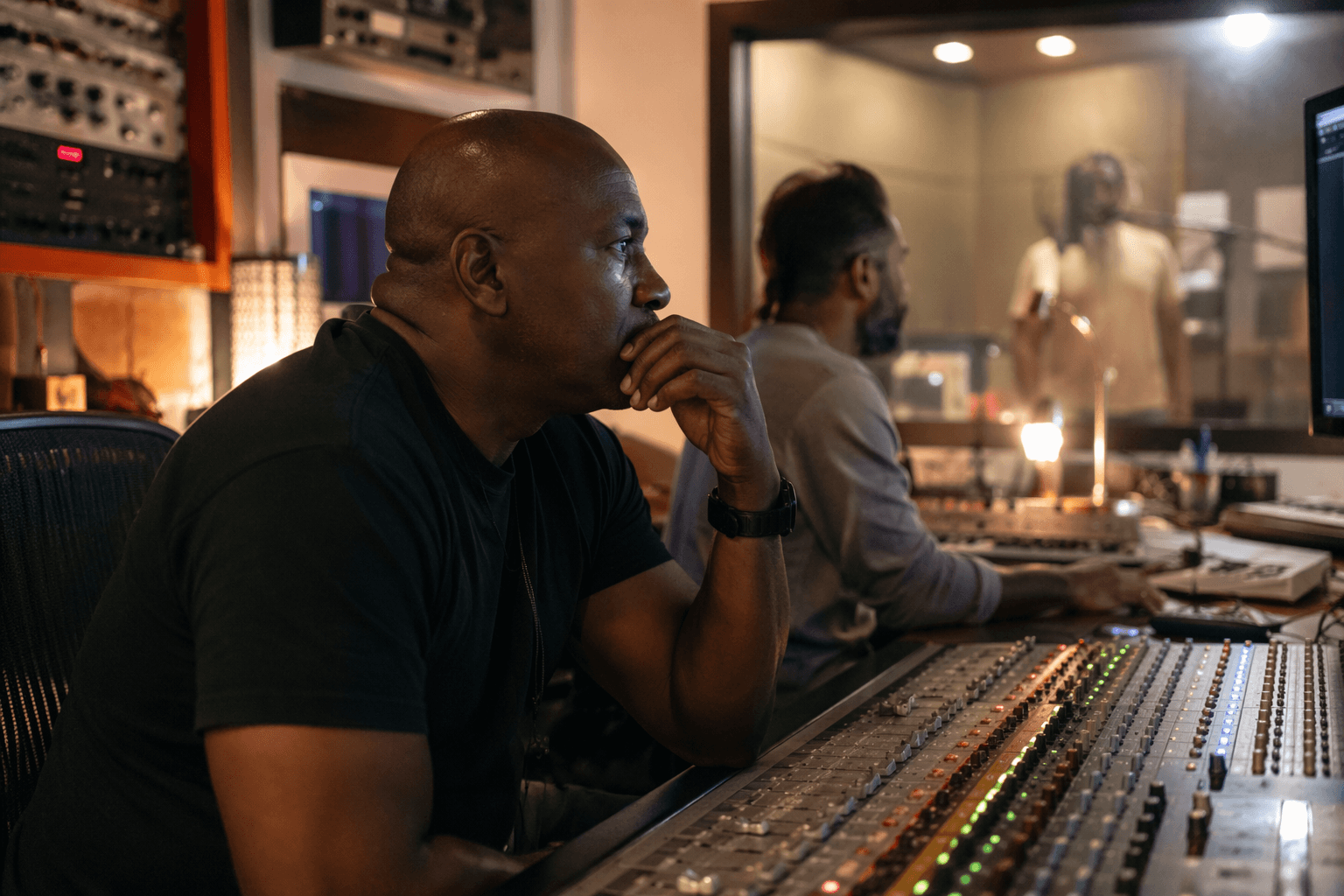
The recording details made the project feel lived-in rather than packaged. Willow Tree was cut at JaMin Studio, only a few blocks from the Ellis family neighborhood in Trench Town, Kingston. Strings were then added at Fifty Fifty Records’ Australian studios in Sydney, turning the cut into a cross-ocean collaboration without losing its Kingston center of gravity. The credits back that up: Dean Fraser on saxophone, Fitzroy “Dave Prime Time” Green and Courick Clarke in production roles, plus seasoned players on drums, bass, guitar, keyboards and percussion.
Noel Ellis’s own history adds another layer. Born in Kingston in 1958, he spent his early childhood in Trenchtown, recorded the unreleased It Has Been A Long Time at Channel One with The Gladiators while still a teenager, then moved to Toronto in the early 1970s. His self-titled debut album arrived in 1983, and later releases included Live in Love, Tangle, Hail Up! and Zion. That catalog makes My Father’s Art feel less like a debut and more like a reset, one built to bring Noel Ellis back in front of world reggae fans while reminding younger ears that the Ellis name still carries real weight.
In that sense, Willow Tree did exactly what a strong family revival should do. It respected Alton Ellis, the “Godfather of Rocksteady,” but it also sounded like a new chapter, not a museum piece.
This article was produced by Prism’s automated news system from verified source data, official records, and press releases, then run through automated quality and moderation checks before publishing. The system is built and supervised by the people who set the standards it runs under. Read our full AI policy.
Did this article answer your question?