Amiberry 8.1.4 Brings Vulkan Thread Rendering and Android Fixes to ARM Devices
Amiberry 8.1.4 adds a dedicated Vulkan render thread to cut GPU/CPU contention, with startup fixes and Android improvements for Raspberry Pi and handheld ARM devices.
Amiberry 8.1.4 shipped on April 5 with a focused set of improvements that address one of the persistent pain points for ARM-device users: the competition between CPU emulation workloads and GPU rendering that produces frame pacing stutter on constrained hardware.
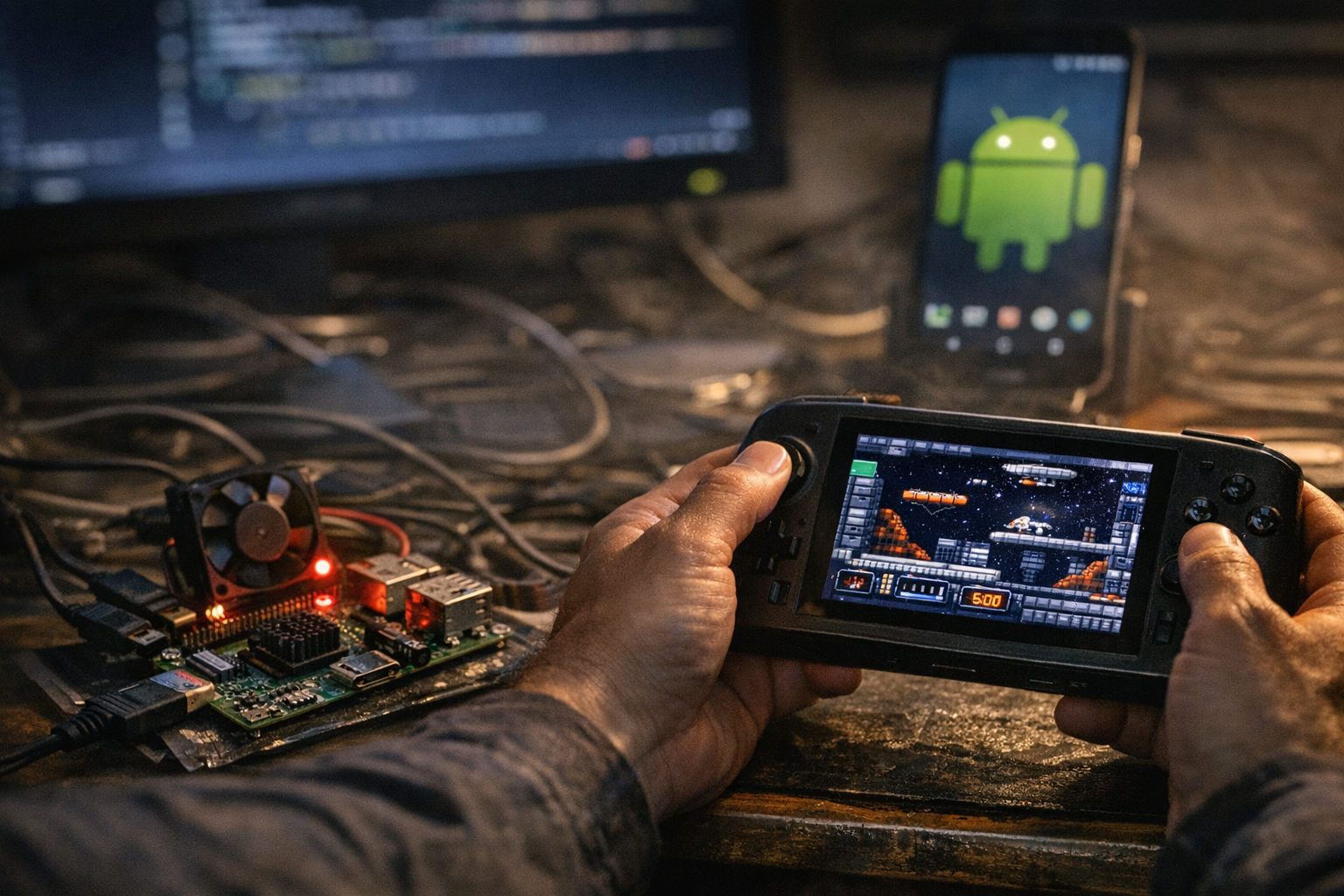
The headline technical change is the option to run Vulkan rendering in a dedicated thread. Previously, rendering and CPU emulation tasks competed for the same resources on single-board computers and handheld consoles running ARM processors. Moving GPU submission to its own thread reduces that contention directly, which translates to smoother frame pacing on devices like the Raspberry Pi and ODROID where Amiberry has its largest installed base.
The update also delivered startup reliability improvements alongside a collection of Android-specific fixes aimed at tightening integration on mobile and handheld builds. For users running Amiberry on custom handheld rigs or embedded Linux setups, those fixes address the configuration friction that often dogs ARM-targeted emulators on non-standard platforms, improving out-of-the-box behavior without requiring workarounds.
Libretro compatibility received its own set of fixes in 8.1.4. The changes improve how Amiberry integrates with frontends like RetroArch and full distributions such as Batocera, where consistent core behavior matters for packaging and long-term maintainability. Preservationists maintaining Amiberry as part of a broader libretro-based stack should test the integration path for regressions, but the direction is toward fewer compatibility surprises across frontends.
Amiberry occupies a specific and important position in the Amiga emulation landscape as the primary emulator optimized for ARM hardware. That focus makes it the go-to choice for the Raspberry Pi hobbyist, the handheld console modder, and the preservation packager who needs a reliable core outside of x86 desktop environments. A maintenance release like 8.1.4 may lack the spectacle of a major version bump, but continued active development on this scale signals that Amiga software preservation on embedded hardware remains a living, supported effort rather than a frozen archive.
This article was produced by Prism’s automated news system from verified source data, official records, and press releases, then run through automated quality and moderation checks before publishing. The system is built and supervised by the people who set the standards it runs under. Read our full AI policy.
Did this article answer your question?