Anbernic RG Rotate review says retro handheld feels genuinely new
The RG Rotate stands out because it feels genuinely new, not just another retro handheld in a different shell. Its rotating screen, pocketable size, and crisp display make the emulation experience feel deliberate.
Anbernic finally built a handheld that breaks the pattern
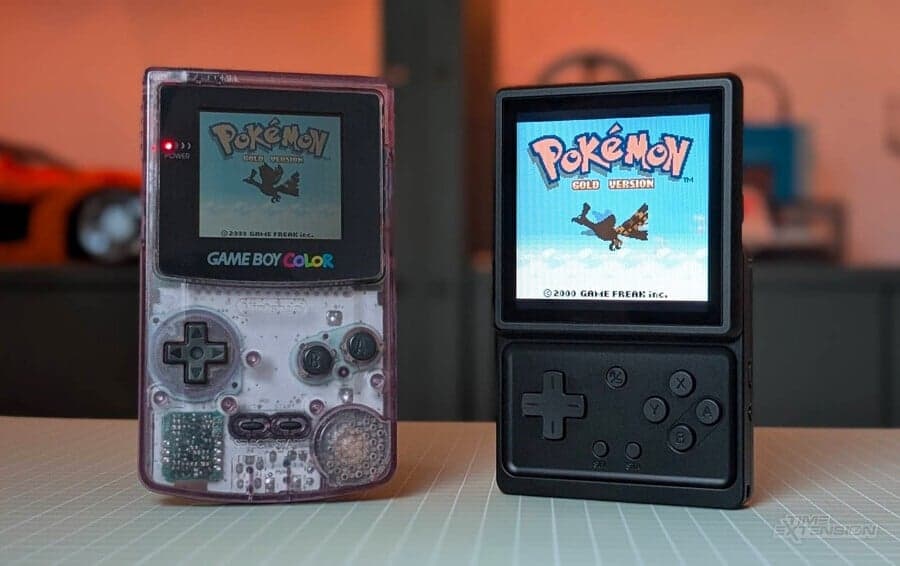
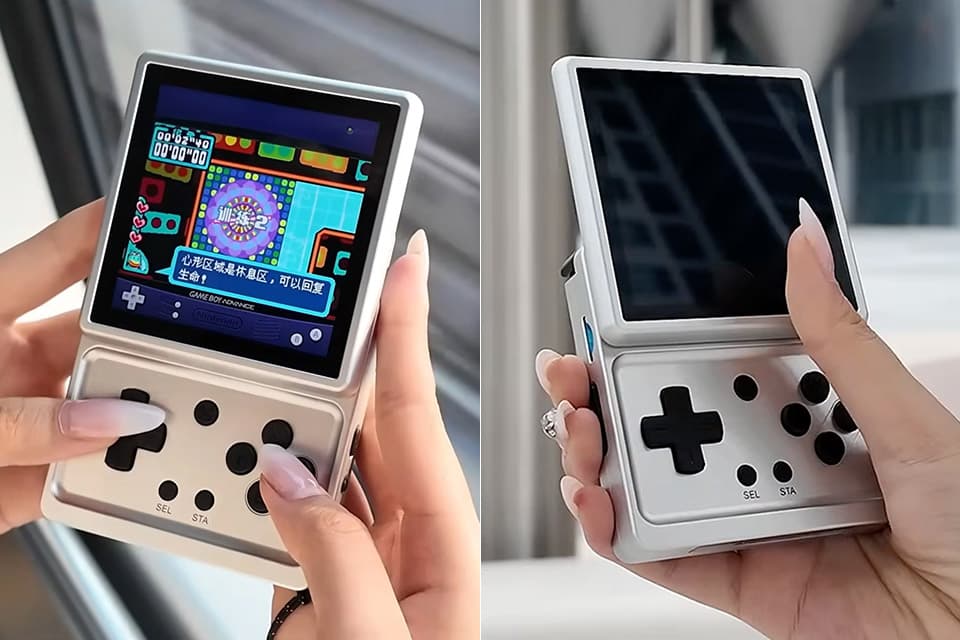
The Anbernic RG Rotate lands in a retro handheld market that has spent years perfecting the familiar. Instead of another candy-bar slab or a nostalgia-heavy callback to the Game Boy Advance SP, Nintendo 3DS, or PS Vita, Anbernic went for a compact device with a rotating screen and a hinge that opens with a little burst of theater. That first flip-open moment is part of the appeal, because the RG Rotate does not just look different, it changes the mood of using it.
That novelty is not empty styling. The whole device feels like a small experiment in what emulation hardware can still be, and that is why the review reads less like a spec recap and more like a defense of design itself. In a year packed with iterative handhelds, the RG Rotate makes a case that a retro device can still surprise you before it even boots.
The rotating screen changes how the handheld feels in hand
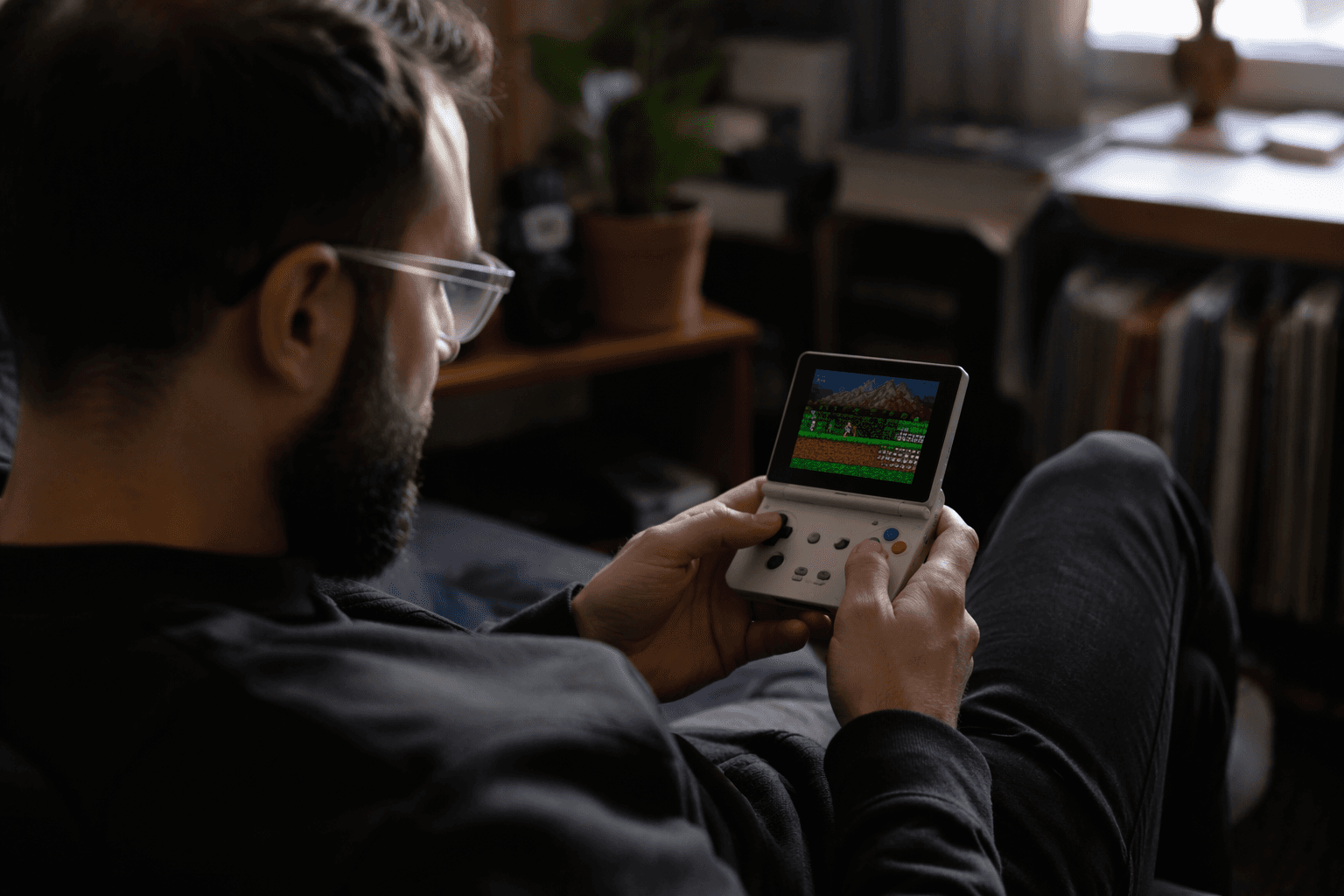
The biggest reason the RG Rotate matters is that its unusual shape is not fighting the use case, it is serving it. Closed, the handheld is roughly the size of a GBA SP, which makes it genuinely pocketable in a way many modern emulation devices only pretend to be. The 3.5-inch 720 x 720 display gives it a square-ish presentation that feels especially crisp for retro menus and old systems that do not always love stretched widescreen compromises.
The screen is also bright enough to work outdoors, which is a practical win that matters more than the gimmick factor might suggest. Because the panel is exposed when the unit is closed, the included screen protector stops being a nice extra and becomes part of the device’s basic survival kit. Anbernic’s separate soft case also makes sense here, because the form factor invites you to actually carry it rather than leave it on a desk like a museum piece.
This is still an emulation machine, and the hardware is aimed at a very specific lane
Under the rotating hinge, the RG Rotate is an Android 12 handheld built around a Unisoc Tiger T618, 3GB of RAM, and 32GB of storage. It includes Wi-Fi 5, Bluetooth 5.0, and a 2,000 mAh battery rated for about 5 hours, which puts it squarely in the practical, midrange retro handheld camp rather than the premium powerhouse category. Anbernic lists more than 30 emulators, with support spanning PS2, PSP, Dreamcast, Saturn, N64, Nintendo DS, and Game Boy-era platforms.
That mix tells you exactly what kind of buyer this is for. The RG Rotate is not chasing the absolute top of the emulation stack, and it is not trying to be the one device that solves every possible system forever. It is for the player who cares about a hardware experience that feels coherent, pocketable, and fun to use, while still covering the classic libraries most people actually revisit.
Anbernic is selling the feeling as much as the specs
The company’s own language makes that pretty obvious. Alongside the practical details, Anbernic leans into the tactile personality of the hinge and even describes the mechanism as a “nostalgic clock interface,” which is a charmingly odd way to say the movement itself is part of the product. The RG Rotate comes in Aurora Silver and Polar Black, with aluminum-alloy and aluminum-plus-ABS plastic versions, and the choice between them matters because the material changes the entire tone of the device.
The plastic-bodied version is lighter and cheaper, while the all-aluminum model feels more premium in the hand. Both share the same rotating display and hinge, but that split gives the handheld two personalities: one for people who want a more refined showpiece, and one for people who want something easier to toss in a bag without thinking twice. Anbernic also ships a screen protector, lanyard, USB charging cable, and manual in the box, which reinforces the sense that the company expects actual daily use, not just shelf time.
Pocketability is the RG Rotate’s secret weapon
The closed dimensions, listed at 8 x 8 x 2.16 cm, help explain why the design lands so well. This is a tiny footprint for a device that is trying to be both playful and functional, and the square shape makes it feel less like a shrunken tablet and more like a purpose-built object. That matters in retro handheld culture, where so many devices look interchangeable once the novelty of the front shell wears off.
The review’s praise for comfort also comes from restraint. The RG Rotate is unusual without becoming awkward, and that balance is why the hinge gets so much attention. Retro Dodo described the opening action as satisfying, thanks to the alloy hinge, and called the unit a refreshing surprise in a year that had already been slowed by storage and shipping costs. That reaction fits the broader mood around the device: it does not need to be the most powerful handheld in the room to feel like the most interesting one.
A strange lineage, but a smarter one than the old failures
The RG Rotate does not appear out of nowhere, though. Time Extension compared the rotating section to the Motorola Flipout, a 2010 Android-era phone that also tried to turn hardware motion into part of the experience. The comparison is apt because both devices treat rotation as more than a trick, but the RG Rotate is aiming at a much friendlier use case than a phone ever could.
There is also a deeper retro hardware echo here. The Nokia N-Gage, released on October 7, 2003, tried to merge phone and game system into one portable, sold about 3 million units, and became infamous for ergonomics and design that did not quite hold up. The RG Rotate is tapping into the same instinct to make handheld hardware feel inventive, but it is doing so in a market that now understands comfort, pocketability, and emulator-friendly layouts far better than the early 2000s ever did.
Why this one stands out among samey handhelds
This is what makes the RG Rotate such a useful handheld to think about. It is not just a device with a strange hinge, and it is not just another Android retro box with a familiar chipset. It is a rare example of design changing the emotional experience enough to matter, while still staying grounded in the practical realities of emulation: screen quality, portability, accessory support, and a hardware stack that covers the systems most people actually load first.
At around $87.99 on Anbernic’s product page, with a summer-sale banner shown through June 10, 2026, it also sits in the part of the market where curiosity can still compete with caution. That is why the RG Rotate feels genuinely new. It does not win by pretending retro handhelds need another copy of the same shape, but by reminding the hobby that a good emulator device can still surprise your hands before it impresses your spreadsheet.
This article was produced by Prism’s automated news system from verified source data, official records, and press releases, then run through automated quality and moderation checks before publishing. The system is built and supervised by the people who set the standards it runs under. Read our full AI policy.
Did this article answer your question?