Anbernic RG34XXSP teardown suggests a silent RAM downgrade again
A new RG34XXSP teardown found a lone 512MB LPDDR3 chip, deepening fears that Anbernic quietly cut RAM twice on the same handheld.
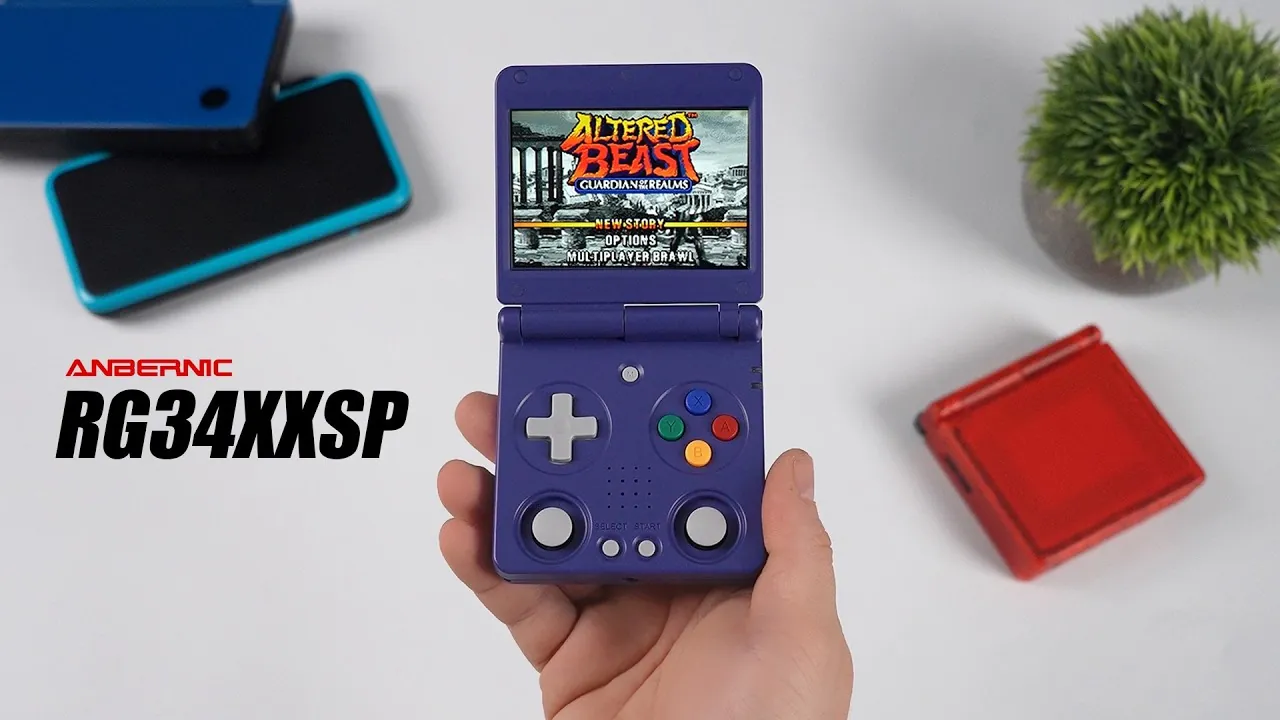
The RG34XXSP may have slipped from a 2GB launch spec to a single 512MB chip without fanfare, and that is exactly the kind of hardware drift retro handheld buyers worry about most. A teardown shared on r/Anbernic showed Samsung K4E4E324EE EGCF LPDDR3 memory marked as 512MB, with no sign of a second chip to make up the difference.
That finding pushed the RG34XXSP’s timeline into sharper focus. Anbernic first launched the clamshell in May 2025 with 2GB of LPDDR4 RAM, a 3.4-inch 720x480 screen, and a 3:2 aspect ratio aimed squarely at GBA-style integer scaling. By January 2026, the official listing had already been changed to 1GB, and archived snapshots suggested the spec shift happened that same week. The current product page now shows 1GB of RAM, an H700 quad-core ARM Cortex-A53 at 1.5GHz, Mali-G31 MP2 graphics, 64-bit Linux, and a 3300mAh battery.
The new teardown suggests the real board may have gone further still. If the unit examined truly carries only 512MB, the practical impact will show up less in basic 8-bit and 16-bit emulation than in heavier front ends, more demanding Linux workflows, and PortMaster use. PortMaster is the Linux handheld port manager that installs PC game ports on supported devices, and extra memory can be the difference between a smooth launch and a project that barely fits. For many older systems, 512MB may still be enough. For newer systems, larger collections, and memory-hungry ports, it is a different story.
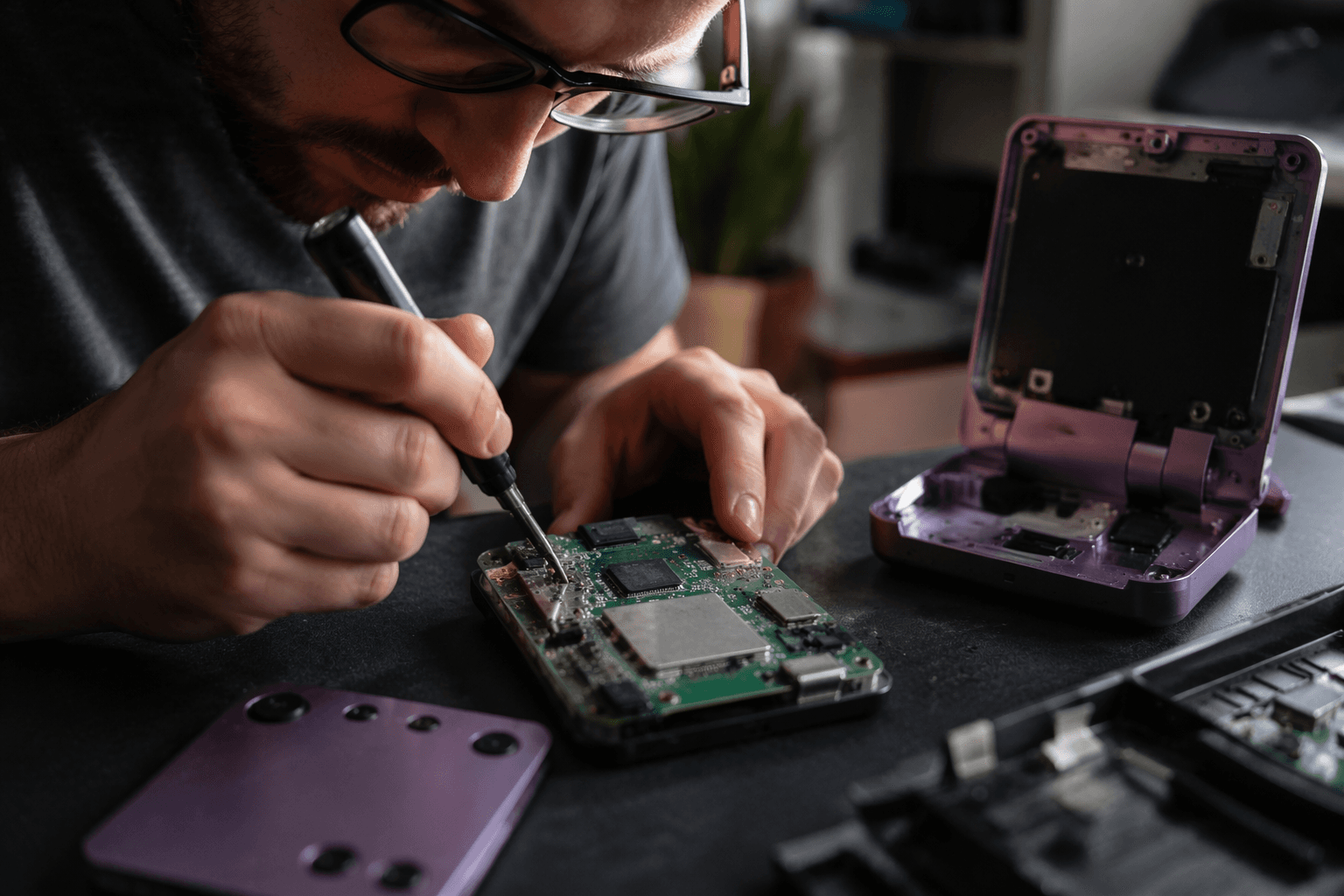
Battery life and thermals are harder to read from RAM alone, but the downgrade does not improve the buyer picture. A smaller memory pool can trim some overhead, yet it also raises the odds of stutter, reloads, and tighter system constraints when menus, shaders, and background processes pile up. Controls are not the issue here, but the overall experience can still feel worse if the system spends more time fighting for headroom than running the game. The display side may be even messier for modders, because commenters have suggested the Metallic Blue version could use display hardware and drivers different enough to complicate shell-swap plans.
That metallic colorway matters because it arrived around the same period as this suspected revision, and Anbernic’s store now lists Metallic Blue alongside Yellow, Gray, Black, and Indigo at $67.99. For buyers, the safest check is simple: confirm the seller’s current spec sheet, ask for board photos, and make sure the unit matches the RAM configuration you actually want. The RG34XXSP’s latest teardown is a reminder that in retro handhelds, a small internal change can reshape performance, firmware support, and trust all at once.
This article was produced by Prism’s automated news system from verified source data, official records, and press releases, then run through automated quality and moderation checks before publishing. The system is built and supervised by the people who set the standards it runs under. Read our full AI policy.
Know something we missed? Have a correction or additional information?
Submit a Tip