Ares update improves audio, input, and preservation-focused emulation
Ares tightened audio and SDL input handling, then added N64 RSP profiling and an XPROFREAD fix, the kind of work that can pay off in smoother play later.
Ares' latest git update is the kind of maintenance work that only gets noticed when it is missing: audio should behave better, controller input has been pulled into SDL, and the N64 core now has profiling hooks that can help explain where time is being lost. For players, that means a cleaner day-to-day experience now, with deeper timing gains still taking shape behind the scenes.
That matters because Ares is not a small side project. The emulator started on October 14, 2004 as bsnes, became higan on August 9, 2012, returned to bsnes on February 22, 2019, and turned into ares on March 25, 2020. It went public as an open-source project on July 5, 2021 under Luke Usher, and the current build emulates 27 hardware devices across Nintendo, Sega, NEC, and other classic platforms, from Famicom and Super Famicom through Game Boy, Game Boy Color, Game Boy Advance, Mega Drive, PC Engine, MSX, Neo Geo Pocket, WonderSwan, and Nintendo 64 work in progress.

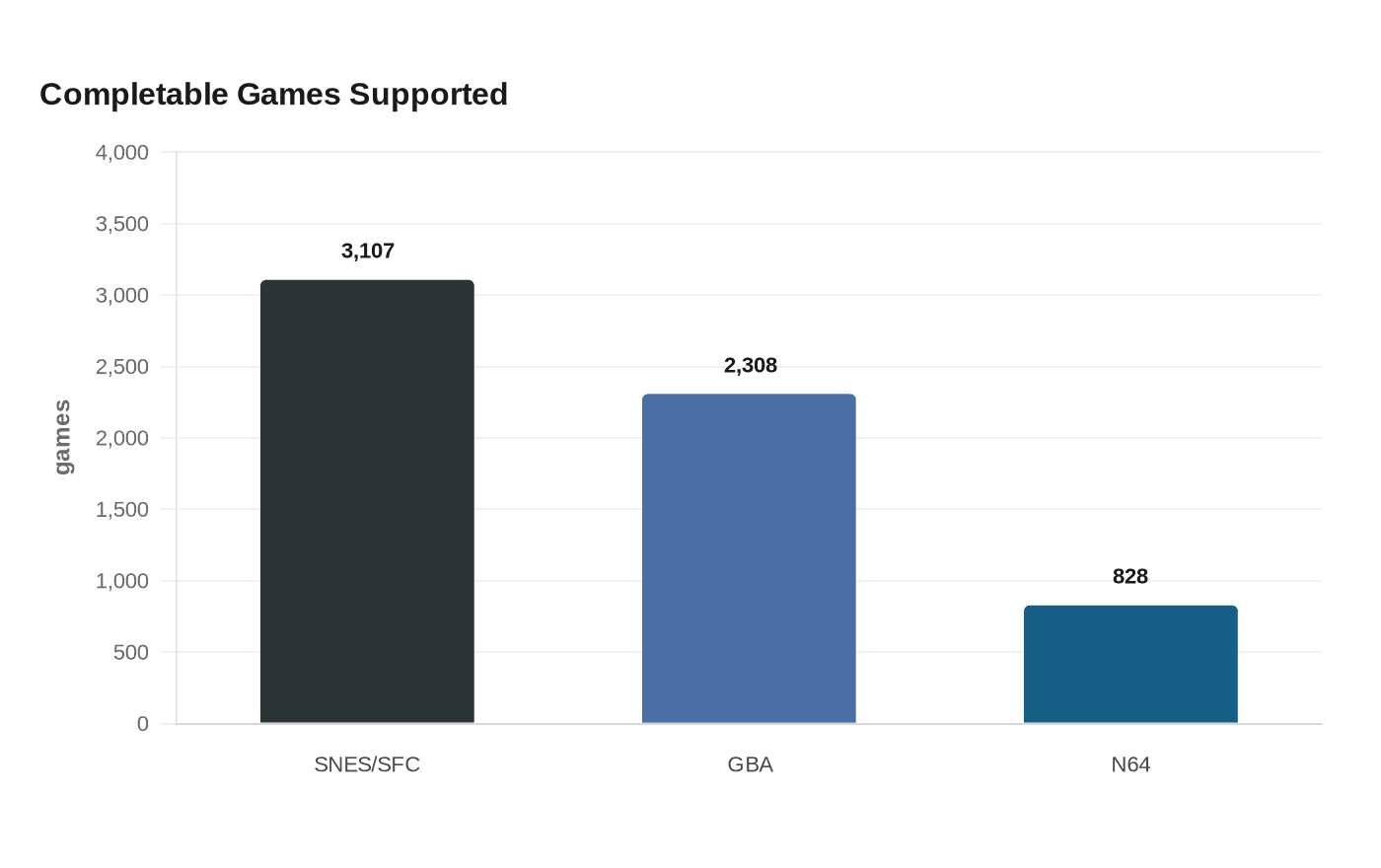
The compatibility numbers show where that effort is landing. SNES and Super Famicom are at 3,107 completable games out of 3,108 tracked, Game Boy Advance stands at 2,308 out of 2,921, and Nintendo 64 sits at 828 completable out of 903 tracked. That comes after v148 on May 30, 2026, which rewrote the N64 CPU and RSP JITs for significant performance gains across the N64 library and added per-core input configuration plus updated video, audio, and input drivers. The latest git work fits that direction by smoothing the parts that users feel first.

The desktop side also got attention. Ares' download page says Windows builds need Windows 7 or higher, AMD64 binaries need at least Intel Nehalem or AMD Jaguar-class CPUs, macOS builds require macOS 10.15 Catalina, Linux users are encouraged to build from source for hardware-optimized builds, and Ares is available through the FreeBSD Ports Collection. The repository snapshot shows 4,157 commits, and recent public GitHub activity around the same period included a fix for N64 DIV/DIVU user-mode RI exceptions and persistent SDL joypad mappings by GUID slot, small corrections that reduce friction across games, controllers, and operating systems.
That is what makes this update worth watching: the immediate wins are audio and input stability, while the N64 profiling and build cleanup prepare the next round of gains. Ares is still doing what it has done since the bsnes days, shaving off the invisible rough edges so the visible improvements have somewhere to land.
This article was produced by Prism’s automated news system from verified source data, official records, and press releases, then run through automated quality and moderation checks before publishing. The system is built and supervised by the people who set the standards it runs under. Read our full AI policy.
Did this article answer your question?