ARMSX2 Refresh brings native Arm PS2 emulation to Android devices
Native Arm code gives ARMSX2 Refresh a real shot at faster, cooler PS2 play on Android, with a newer PCSX2 2.7 core and broader GPU support.
ARMSX2 Refresh is the kind of Android PS2 update that changes the daily routine, not just the version number. By moving away from x86-to-Arm translation and into native Arm64 execution, it aims to cut the overhead that has long meant extra setup, more heat, and weaker battery life on the phones and handhelds people actually use.
The refresh is built on newer PCSX2 2.7-based changes, and its release notes call out improved ARM64 JIT behavior and overall performance. The same update adds recent GameDB and core compatibility fixes, better graphics compatibility for several games, and hardware or game-specific fixes. Floating-point mode 3 from x86 is supported now too, which the project says adds Need for Speed Carbon support and may help other games as well.
That shift matters because ARMSX2 has been moving toward a cleaner native path after earlier versions relied on PCSX2_ARM64 and x86 translation. The project describes itself as a free and open-source PlayStation 2 emulator for ARM devices based on PCSX2, and its broader goal reaches beyond Android to iOS and other ARM platforms. In a scene that has spent years searching for a credible successor to older Android PS2 options such as AetherSX2 and NetherSX2, that architectural change is the real story.
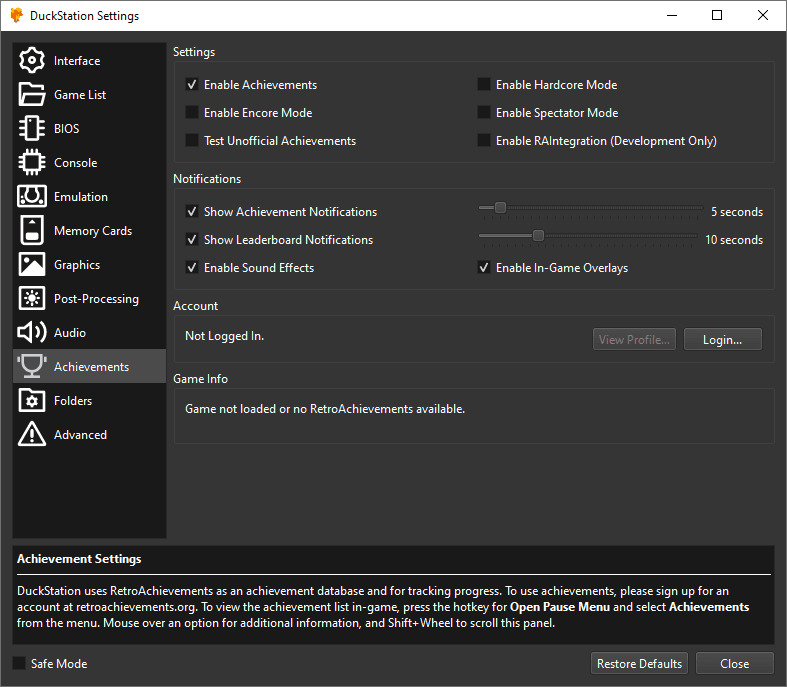
Refresh also broadens the hardware conversation. GPU profile support now covers Mali, Adreno, and PowerVR devices, which makes the build more relevant to non-Snapdragon phones than many emulator forks that quietly assume Qualcomm hardware. The new user interface is still basic, and the settings path is a little unusual, but the settings menu itself is well laid out and more UI work is already planned.
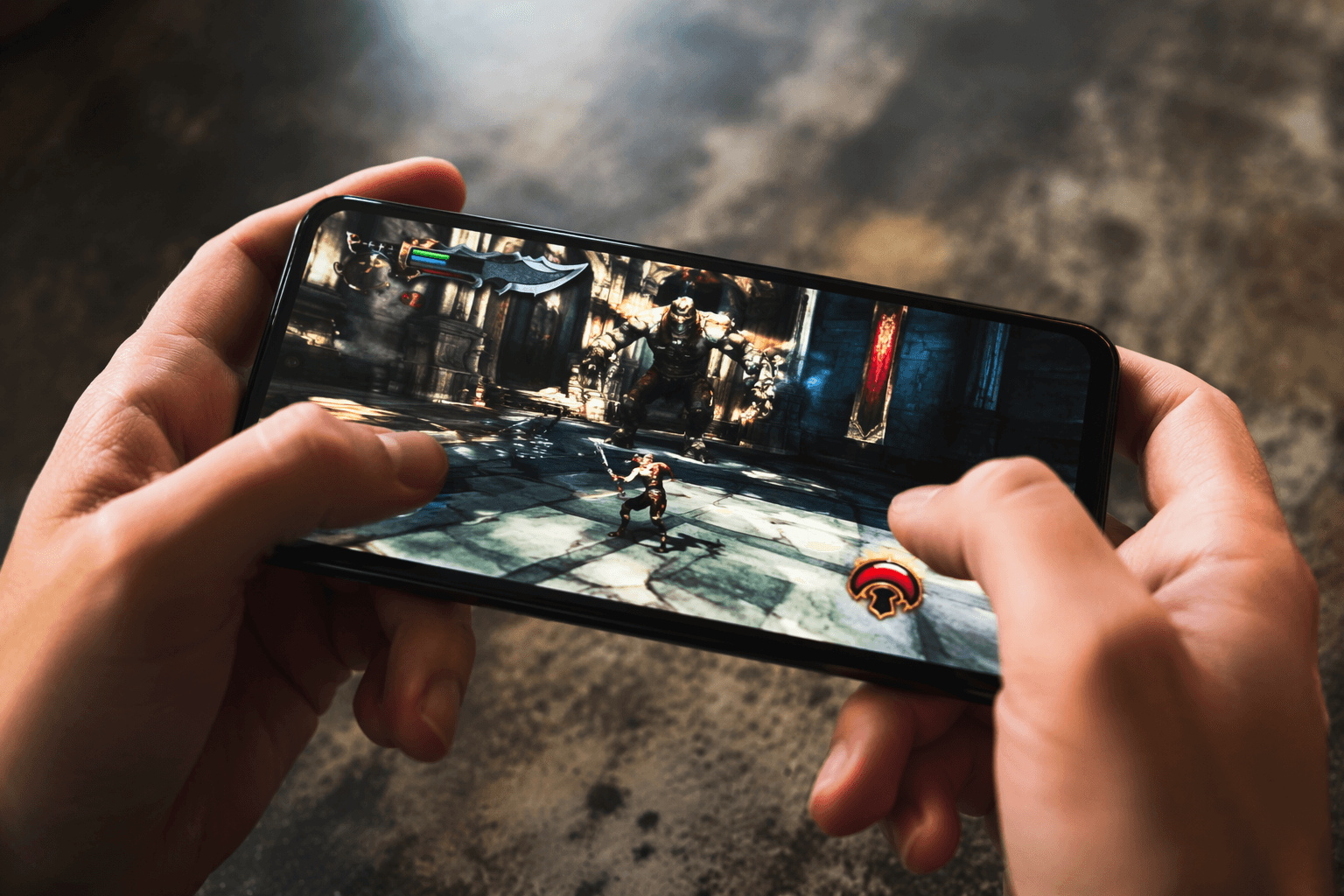
Early testing backed up the promise. Shadow of the Colossus, Gran Turismo 4, and Burnout 3 all ran acceptably, with only minor flickering or a brief BIOS-menu hiccup. Contributors isztldav and jpolo1224 are named on the release, and the result feels less like a cosmetic fork and more like the first Android PS2 build that is trying to make the default experience cleaner, faster, and closer to native Arm from the start.
This article was produced by Prism’s automated news system from verified source data, official records, and press releases, then run through automated quality and moderation checks before publishing. The system is built and supervised by the people who set the standards it runs under. Read our full AI policy.
Did this article answer your question?