AYANEO’s first phone appears at Computex with OLED and dual touchpads
AYANEO’s first phone mixed a 6.8-inch OLED, Dimensity 9300 and dual touchpads, but its size and odd controls made it feel more like an emulation experiment than a sure bet.
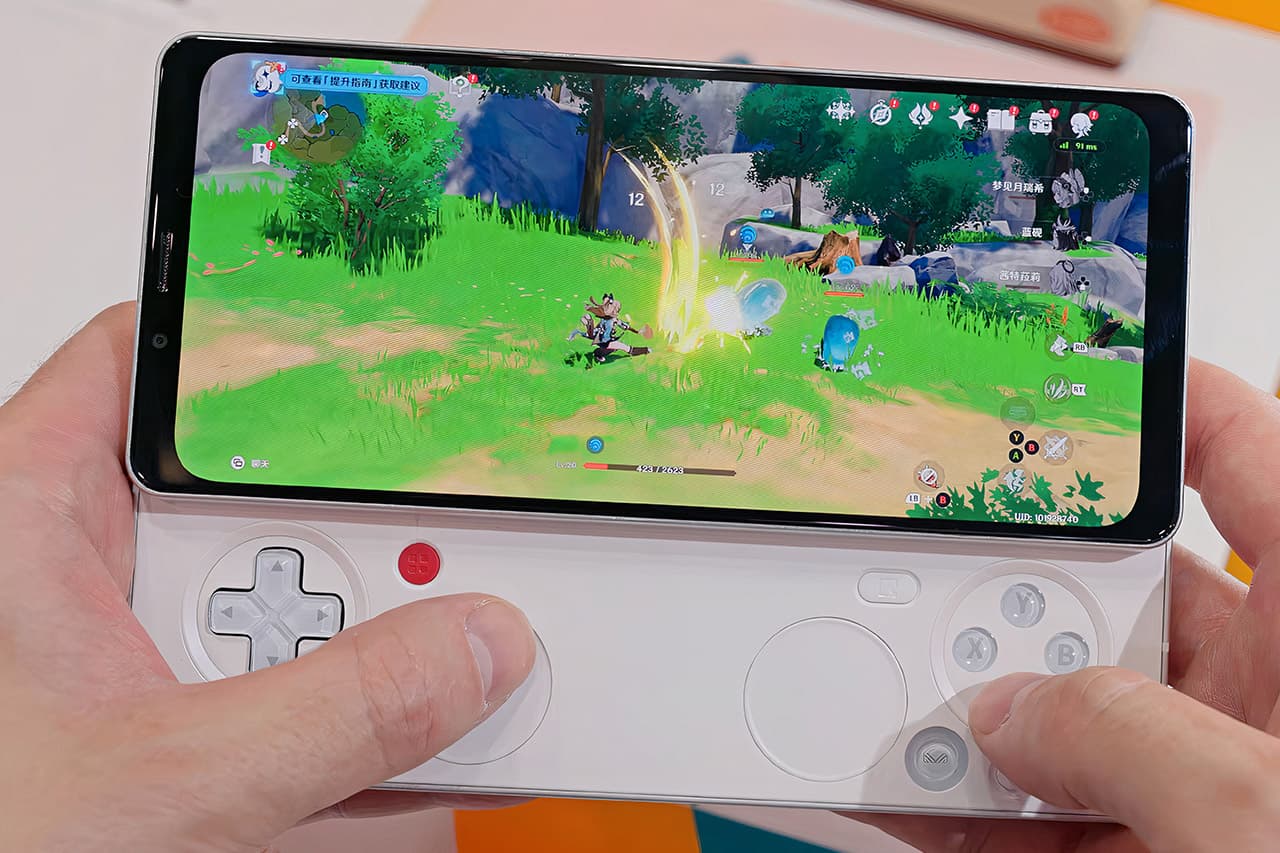
AYANEO’s first phone surfaced at Computex 2026 looking less like a standard smartphone and more like a handheld experiment with a SIM slot. The Pocket Play paired a 6.8-inch OLED panel with a MediaTek Dimensity 9300 chipset and dual touchpads that behaved more like a trackpoint than a normal mobile control surface. For retro emulation fans, that is the kind of spec sheet that immediately invites hope, then skepticism.
The attraction is obvious. A flagship-class chip, a large OLED display and built-in physical controls are the three things Android emulation users keep circling back to when they want one device to cover modern mobile use and older console libraries. The Pocket Play at least checks those boxes on paper, and the touchpads give it a control layout that feels aimed at more than just touch-first phone games. That is what makes it stand out in a field where many gaming phones still depend on clip-on controllers or add-on grips to become usable for emulators.
The compromises were just as visible. The device looked large, lacked front-firing stereo speakers and used a fairly ordinary rear camera setup, all of which pushed it away from the idea of a sleek daily-driver phone. Its presence also carried a small twist: AYANEO was not the direct face of the device on the Computex floor, because the Pocket Play appeared at an AMobile booth and was described as something AMobile actually manufactured. PCWorld’s hands-on, as relayed in the reporting, also suggested AYANEO approached both AMobile and MediaTek about the project rather than designing every piece in-house.
That partnership angle matters because it fits AYANEO’s broader habit of chasing unusual hardware formats while relying on other companies to help turn the concept into something real. For emulation, the real question is not whether the Pocket Play can run demanding Android software, but whether its controls, thermals and software mapping can make flagship silicon useful in practice. If those pieces come together, it could land as a credible all-in-one device for mobile use and classic game libraries. If they do not, it will still be one of AYANEO’s most interesting ideas, just not yet the one that beats a purpose-built handheld.
This article was produced by Prism’s automated news system from verified source data, official records, and press releases, then run through automated quality and moderation checks before publishing. The system is built and supervised by the people who set the standards it runs under. Read our full AI policy.
Did this article answer your question?