Azahar 3DS Emulator Adds Official libretro Core in Latest Alpha Build
Azahar 2125.0 Alpha 4 brings 3DS emulation into RetroArch for the first time since Citra's shutdown left the libretro ecosystem without a viable option.
The gap in 3DS coverage on the libretro ecosystem has officially closed. Azahar 2125.0 Alpha 4, the latest prerelease from the open-source Citra successor, shipped with the first official libretro core for the platform, opening the door to full RetroArch integration across six operating systems: Linux, Windows, macOS, Android, iOS, and tvOS.
That absence had been a standing frustration. GitHub Issue #1203, filed by community members after Citra's collapse, put it plainly: 3DS emulation options on many systems were lacking, and libretro integration would be essential for home arcade and couch gaming setups. Contributor warmenhoven answered that request directly with PR #1215, the pull request that built and landed the core.
The backstory matters here because it frames exactly what is at stake. On March 4-5, 2024, Tropic Haze LLC, the company behind both Yuzu and Citra, settled a federal Nintendo lawsuit for $2.4 million USD and immediately pulled both projects offline, taking their websites and GitHub repositories with them. Two community responses emerged almost simultaneously: PabloMK7, a former Citra contributor, launched a high-performance fork of Citra, while a separate team stood up Lime3DS for more casual users. On October 30, 2024, both teams announced they were ending independent development and merging into a single project named Azahar, the Spanish word for orange blossom, with the stated goal of becoming the de-facto platform for continued Citra development. The Azahar repository has since accumulated approximately 6,800-6,900 GitHub stars, a signal of where the community landed after the dust settled.
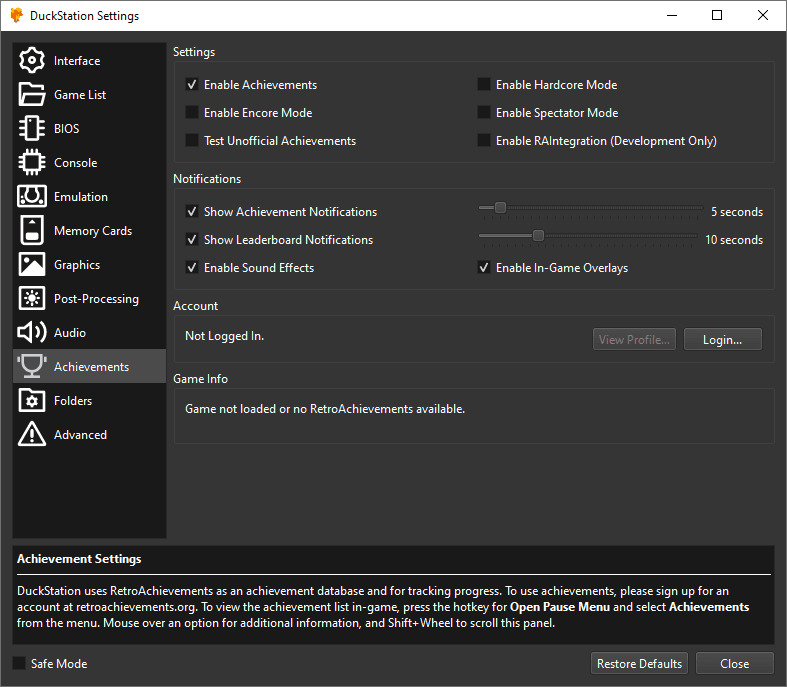
The libretro core is what moves Azahar from "good standalone emulator" to infrastructure. RetroArch's unified pipeline means consistent shader support, savestate management, input remapping, and controller autoconfiguration all work through the same interface you already use for your other cores. You do not need a separate frontend, a separate config scheme, or a separate save directory structure. For anyone running a living room setup or a multi-system box, that consistency is the whole game.
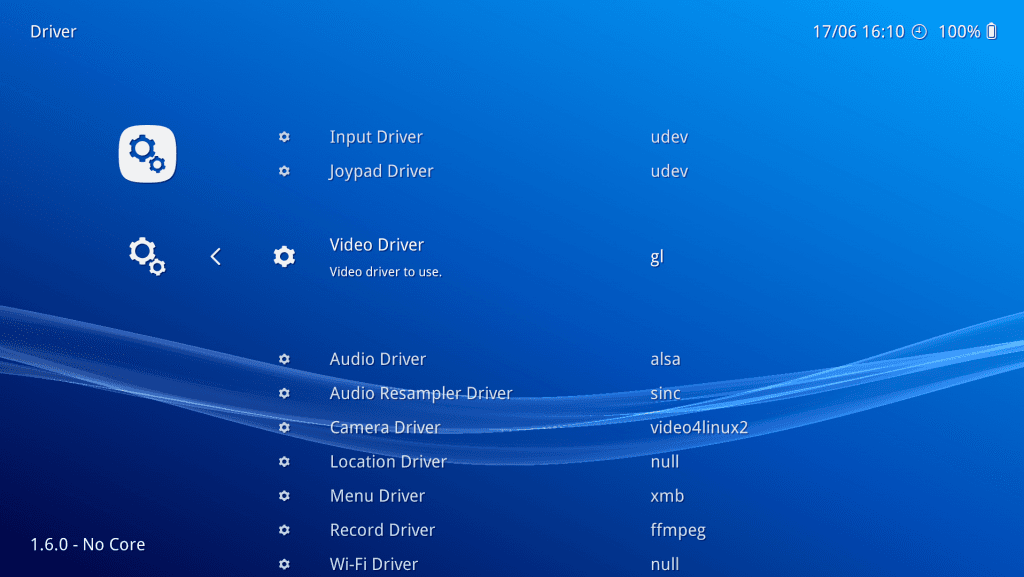
For a first configuration, the most important call is your renderer. On desktop and Android, Vulkan is the right choice: switch RetroArch's video output to Vulkan before loading the core if it is not already set, because OpenGL on Android routes through ANGLE and the performance hit is significant. The 2125.0 release also introduced a disk shader cache, stored as .vkch files, which eliminates the shader compilation stutter after your first run through a game. That cache is portable between your own devices, so if you build it on one machine you can copy it to another.
The most significant gotcha in this initial release affects iOS and tvOS users specifically. Apple's App Store restrictions prohibit JIT compilation, so the core forces JIT off on those platforms by default. JIT has a substantial impact on emulation speed, and older Apple devices will likely fall short of full speed on demanding titles. The libretro documentation covers workarounds for JIT on iOS, but consider this a known limitation of the platform rather than a bug in the core.
Also worth noting: some settings available in the Azahar standalone app are deliberately absent from the libretro core version, as warmenhoven noted during the PR review. The frontend handles input and controller remapping entirely, so the core does not expose those options itself. This is correct libretro behavior, not an oversight.
Alpha 4 also added Auto-Map Controller support for Android (contributed by RJNY in PR #1769) and a new Hotkey Enable button bind, bringing Android closer to parity with the desktop experience. A macOS UI freeze during game list population was fixed, and the emulator now defaults to the dedicated AMD GPU over integrated on systems where both are present.
The full 2125.0 stable release will make the Azahar core available through RetroArch's built-in core downloader. Until then, the alpha builds are available at github.com/azahar-emu/azahar and the standalone app remains on the Google Play Store. Azahar explicitly does not support encrypted games and limits TPM circumvention, a legal boundary drawn deliberately in the wake of the Tropic Haze settlement. The project's survival depends on staying inside those lines, and the team has been consistent about it.
For the RetroArch ecosystem, an actively maintained, merger-backed 3DS core is a meaningfully different situation than the patchwork of abandoned forks that filled the void after March 2024. This is the mainstream path forward for 3DS preservation on common hardware, and it is now in your core downloader.
This article was produced by Prism’s automated news system from verified source data, official records, and press releases, then run through automated quality and moderation checks before publishing. The system is built and supervised by the people who set the standards it runs under. Read our full AI policy.
Did this article answer your question?