Batocera 43 expands handheld support and changes Android install path
Batocera 43 widens support for RG and AYN handhelds, but some SM8250 and SM8550 users must upgrade Android bootloader first.
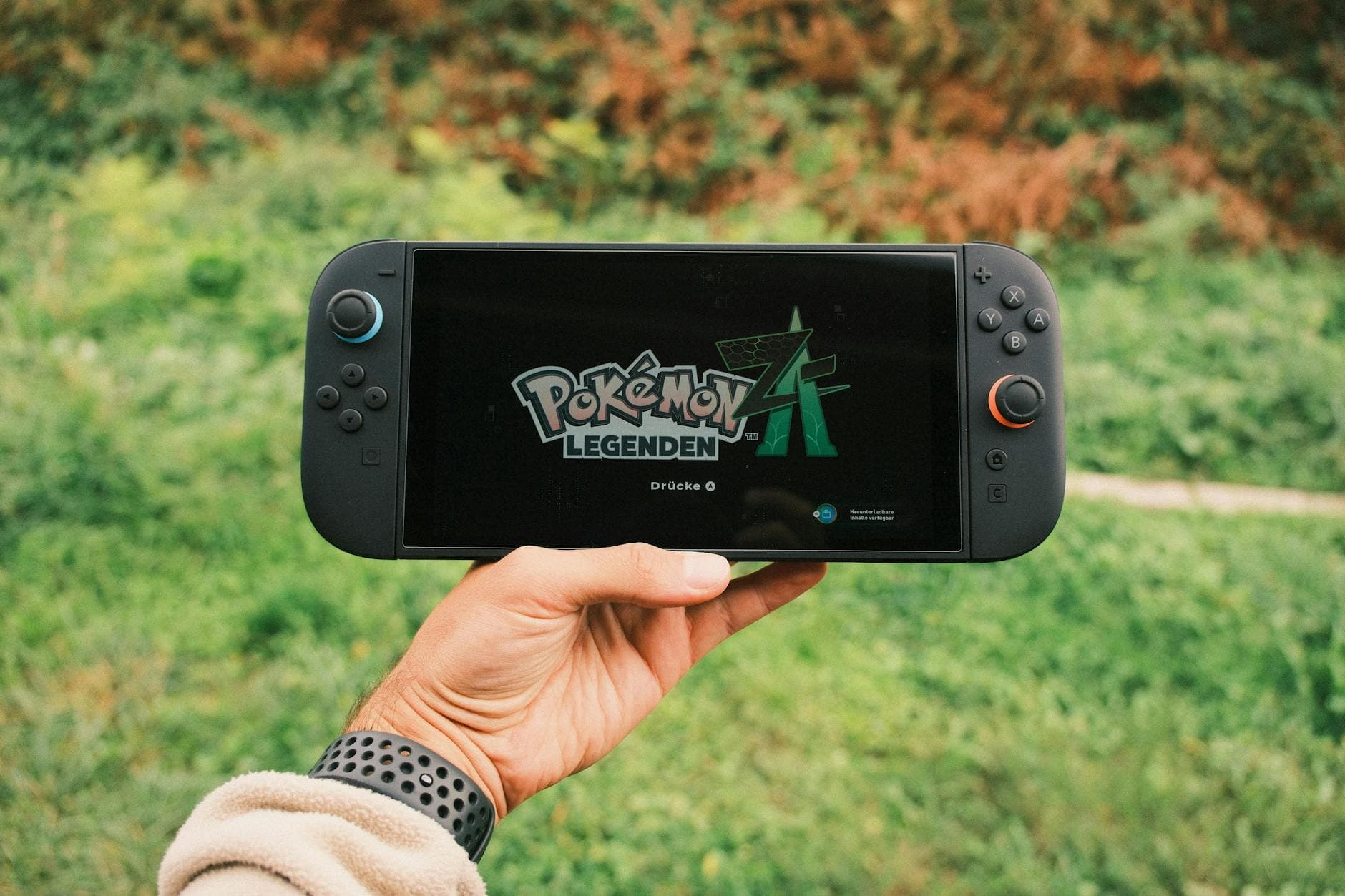
Batocera 43 landed with a simple test for handheld tinkerers: does it unlock your device, or does it force you back into bootloader work first? The Glasswing release, dated May 8, widened support across a new wave of compact emulation hardware, and it did so in a way that matters immediately to anyone planning a fresh install.
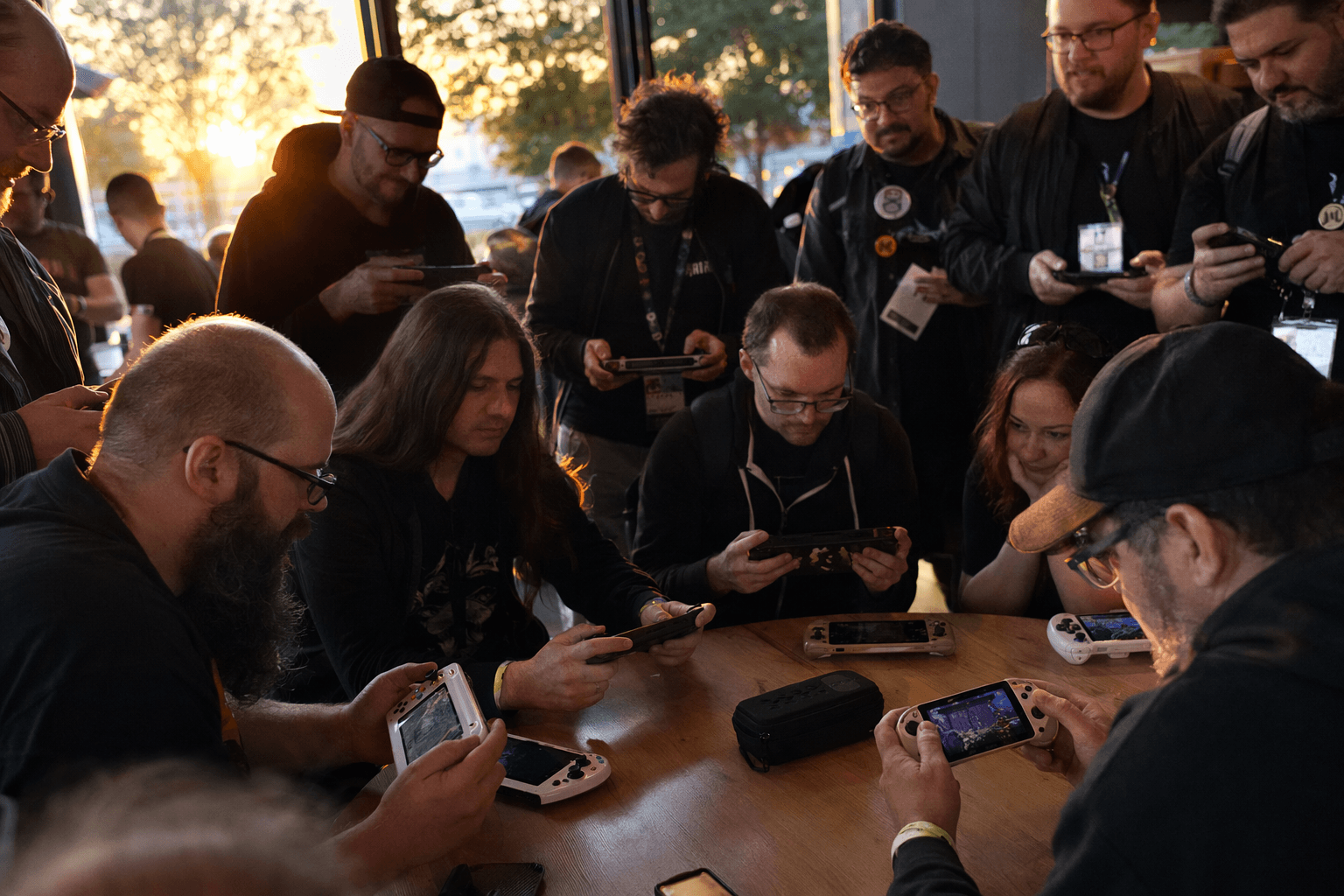
The biggest headline is device coverage. Batocera 43 added support for the Anbernic RG28XX, RG34XX, RG35XX, RG40XX, and RG CubeXX, plus initial support for the AYN Thor, AYN Odin 2 Mini, PowKiddy X55, and Retroid Pocket 6. Some of those handhelds had already been usable in partial form, but version 43 pushes the support far enough that the project is treating them as real targets rather than experiments.
The more consequential change is the install path. SM8250 and SM8550 devices now use one image, with the bootloader handling device selection, and Batocera says the Android Bootloader must be upgraded before moving those systems to v43. That turns the update into a compatibility checkpoint instead of a routine flash. Batocera’s handheld documentation adds another hard stop for Android-based installs on internal eMMC: devices in that layout are no longer supported from v42 onward because the installed bootloader cannot work with later Linux kernels, so the Android partition has to be wiped before Batocera can boot.
Batocera also tightened its desktop and driver story. For handhelds with AMD and Intel graphics, the preferred download is now the x86_64-v3 image with Wayland and the LabWC compositor. Desktop Nvidia users are steered to the x86_64 Xorg image for stability, while legacy Nvidia 340.xx and 390.xx drivers are gone entirely. Only 470.xx, 580.xx, and 590.xx remain supported. The release also deprecates custom.sh, which will be converted into a service if it was already in use.
The emulator and controller changes cut just as deep. Batocera moved some systems to the mainline Nintendo controller driver, so wired and Bluetooth Nintendo pads may need to be reconfigured. Azahar Plus was replaced with the source project Azahar, which means 3DS ROMs now need to be decrypted under that workflow. Batocera’s 3DS documentation already spells out why that matters: encrypted titles need decryption or keys, and ROM prep is no longer a background detail. Dolphin now handles Triforce, which let Batocera remove Dolphin-Triforce, and DraStic was removed because it is closed-source and no longer compatible with the core OS.
Batocera 43 passed through beta, release candidate, and stability builds before launch, and that staged rollout shows in the result. This is not the kind of update that just adds a splashy feature list. It redraws the line between devices that are ready, devices that need a bootloader nudge, and devices that now need a full rethink before they can boot Batocera at all.
This article was produced by Prism’s automated news system from verified source data, official records, and press releases, then run through automated quality and moderation checks before publishing. The system is built and supervised by the people who set the standards it runs under. Read our full AI policy.
Did this article answer your question?