DOSBox-X update expands CONFIG.SYS control, debugger tools, and device support
DOSBox-X tightened CONFIG.SYS handling and driver tracing, making stubborn boot disks and device-heavy apps easier to bring up. The project now exposes more of real DOS startup behavior, not less.
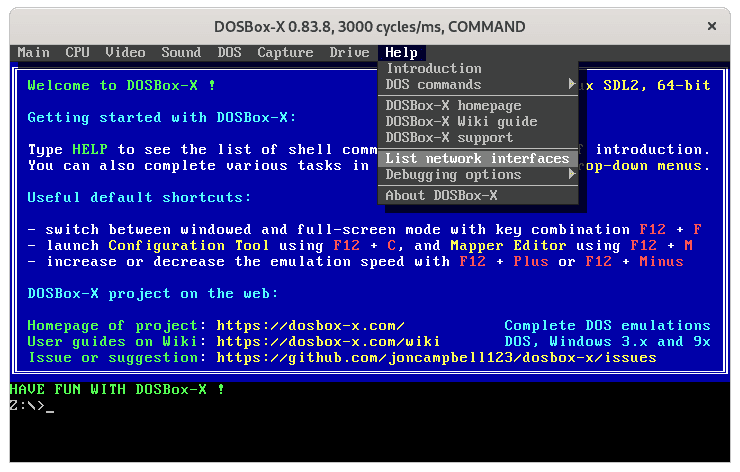
DOSBox-X’s latest update gives stubborn DOS boots a lot more room to breathe. If a finicky game only starts when CONFIG.SYS loads drivers in a certain order, or a device-dependent installer needs a cleaner boot path, this build moves DOSBox-X closer to the way a real PC actually comes up.
That matters because DOSBox-X has never been just a game launcher. It is a fork of DOSBox built to run old MS-DOS software on modern systems, but its own project goals go well beyond games, stretching into Windows 3.x, 9x and Me emulation and even pre-2000 DOS and Windows 9x hardware scenarios. The project’s documentation also makes clear that its [config] section already understands a long list of CONFIG.SYS-style commands, including COUNTRY, DEVICE, DOS, FILES, INSTALL, LASTDRIVE, NUMLOCK, SET and SHELL.
The newest changes push that model further. DOSBox-X can now break into the command flow through DEBUGBOX when a debug-break flag is set, and it respects the echo flag so startup commands can be shown on screen. The debugger side grew a DOS DEVS command that lists guest MS-DOS device drivers, while the emulator now tracks the guest device-driver chain more carefully. That is a meaningful step for anyone trying to diagnose why a boot disk hangs, why a driver refuses to load, or why a piece of software only behaves on a very specific hardware layout.
The update also adds parsing for CONFIG.SYS device entries and introduces a new [devices] section, tightening the way DOSBox-X handles low-level startup structure. A bug that could corrupt the MCB during guest OS boot was addressed as well. On top of that, the shell gained a RUN directive, the CONFIG shell can be told when to run, and file-handle cleanup was refined so standard devices like CON, AUX and PRN stay available in the expected DOS way. A neverclose flag was added to keep those default handles alive, and close-by-name handling was corrected to use the proper DOS_CloseFile path.
For power users, the payoff is practical: better boot disks, more faithful device-driver testing, and fewer weird edge cases when emulating software that expects a real DOS environment instead of a simplified launcher. The timing also shows how active the project remains. The most recent official release before this development snapshot was 2026.05.02, published on May 2 and fixing issues ranging from MSCDEX device-name padding to savestate restore crashes, mouse cursor display in DOS/V mode and INT 13h LBA detection. Fresh builds for Windows, Linux, macOS and HX-DOS were stamped May 6, and the GitHub repository has crossed 21,000 commits, a milestone that says plenty about how deep this emulator’s plumbing has become.
DOSBox-X’s path keeps separating it from DOSBox Staging and DOSBox Pure in the same way its docs describe: less about hiding the machine and more about reproducing it. For anyone chasing a boot sequence, a driver chain or a recalcitrant old app, that distinction is the whole story.
This article was produced by Prism’s automated news system from verified source data, official records, and press releases, then run through automated quality and moderation checks before publishing. The system is built and supervised by the people who set the standards it runs under. Read our full AI policy.
Did this article answer your question?