ES-DE 3.4.1 adds experimental Linux AArch64 support, new systems on Android and macOS
ES-DE 3.4.1 broadens the front end’s reach, bringing experimental Linux AArch64 support and fresh system options for Android and macOS users.
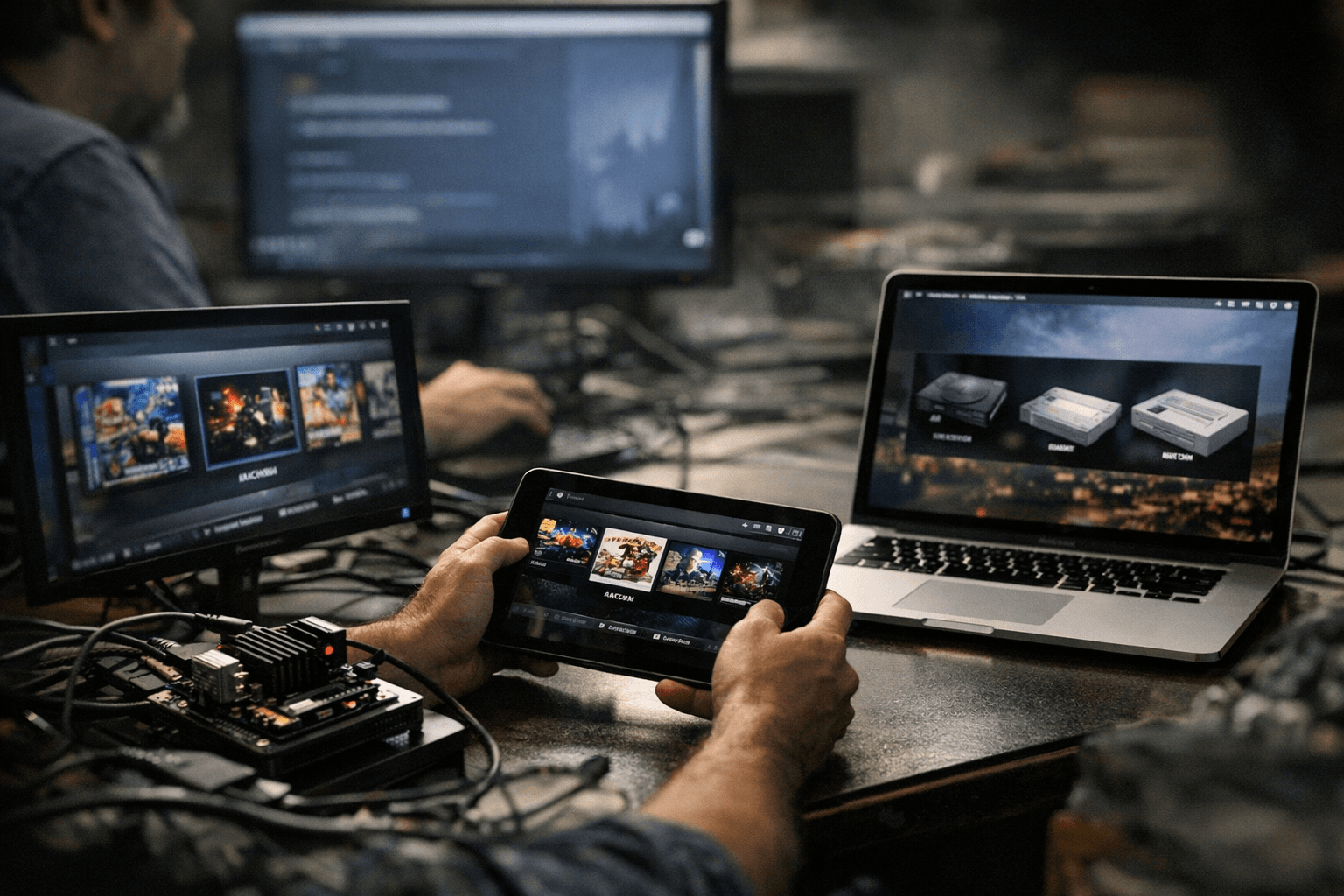
A cleaner multi-system setup just got more realistic on ARM hardware. ES-DE Frontend 3.4.1 landed on April 10, and the big change is not a cosmetic tweak but a wider lane for people trying to run one polished front end across more devices.
The official site now lists experimental but official Linux support on AArch64, which matters because the project’s ARM64 AppImage is aimed at more than tiny single-board rigs. The documentation calls out desktop-class AArch64 machines such as Ampere Altra workstations, Qualcomm Snapdragon X Elite laptops, and Apple Macintosh computers running Asahi Linux, alongside Raspberry Pi 5-style ARM64 hardware. ES-DE also says that build depends on desktop OpenGL drivers or Zink over Vulkan, not OpenGL ES, which is a useful clue for anyone trying to get the right graphics stack in place before they waste an evening chasing a black screen.
That same release widens the system list on the two platforms where ES-DE has become a practical daily-driver front end for a lot of people. On Android, version 3.4.1 enables Triforce, Xbox, and Xbox 360. On macOS, it adds OpenBOR, Triforce, and Xbox 360 support. For users building a living-room library or a tidy all-in-one launcher, those are not throwaway additions. They are the kinds of systems that usually sit outside the easy, well-trodden part of an emulation setup, and ES-DE is now making them easier to organize in one place.
That is the real appeal here. ES-DE is not just a skin over a pile of emulators. The project says it comes preconfigured for a large selection of emulators, game engines, game managers, and gaming services, and it supports more than 150 game systems. Version 3.4.1 pushes that pitch further, especially for people who want a front end that can tame a huge library without turning setup into a weekend project.
The release also adds Vietnamese translations, a small-looking change that still signals where the project is headed: broader reach, less friction, and more usable installs across Android, macOS, Windows, and Linux. The Android build is available through Patreon, Samsung Galaxy Store, and Huawei AppGallery, while the Windows, macOS, and Linux releases remain open source and free to download and use.
This article was produced by Prism’s automated news system from verified source data, official records, and press releases, then run through automated quality and moderation checks before publishing. The system is built and supervised by the people who set the standards it runs under. Read our full AI policy.
Did this article answer your question?