Fan-made Pokémon Snap arrives on PS1 and 3DS, rebuilt in Unity
Pokémon Snap is being rebuilt twice, once for PS1 and once for 3DS, turning a Nintendo 64 classic into a strange cross-platform preservation experiment.
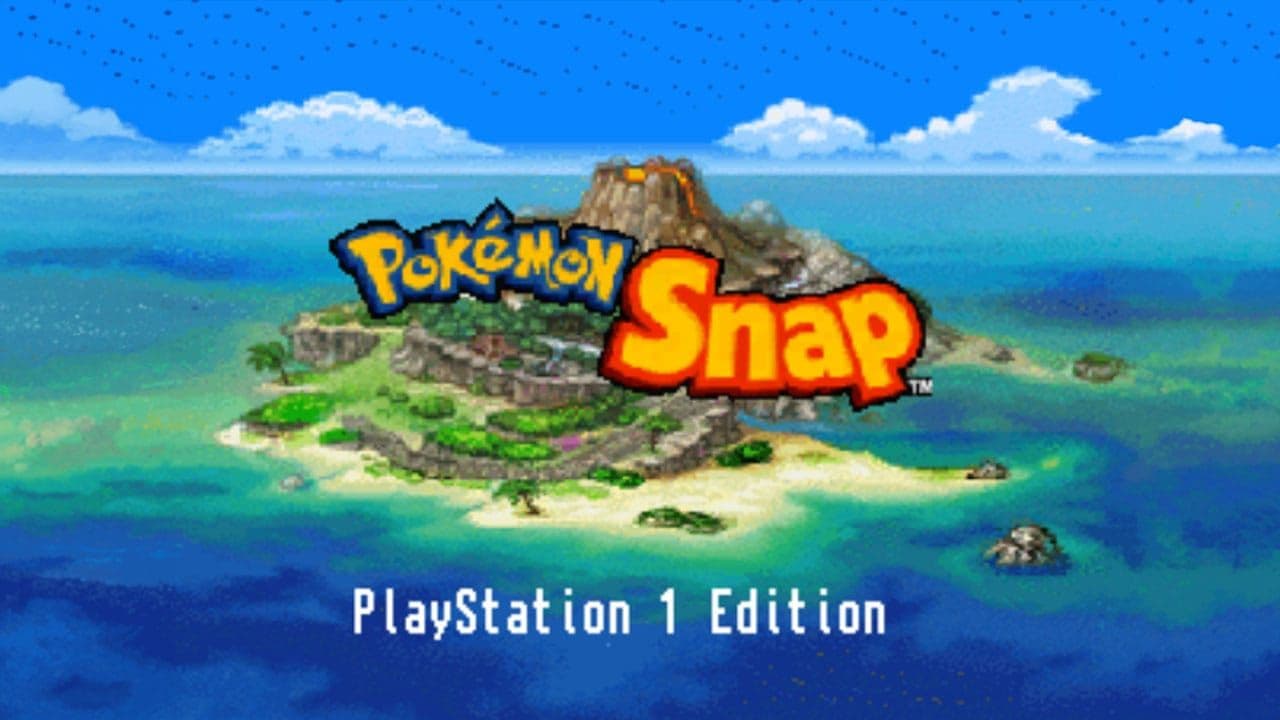
Pokémon Snap has always belonged to the Nintendo 64, which is exactly why this fan project lands so hard: one version is being rebuilt for the PlayStation 1, while another is being rebuilt for the Nintendo 3DS. It is the kind of alternate-hardware mashup that makes retro development interesting, because it asks what happens when a game defined by one console generation gets translated into two systems that never hosted it.
The PS1 build comes from Manuel Rodríguez Matesanz and is being made in Unity 6 with the PSX Exporter, which gives it more weight than a simple proof-of-concept video. That toolchain matters because it suggests a real attempt to push the PlayStation into Pokémon Snap territory, not just imitate the look of it. Even as a work in progress, it frames the project as a serious technical exercise in squeezing a recognizable N64 concept through Sony’s original hardware constraints.
The 3DS version follows a different path. It is being rebuilt from scratch in Unity 5 and does not need the original ROM to run, which puts it closer to a fresh homebrew recreation than a traditional port. That split is the most revealing part of the story: the PS1 version feels like an experiment in transplanting a Nintendo identity onto a rival platform, while the 3DS build shows how the same idea can be re-authored for a handheld audience without depending on the original cartridge image at all.
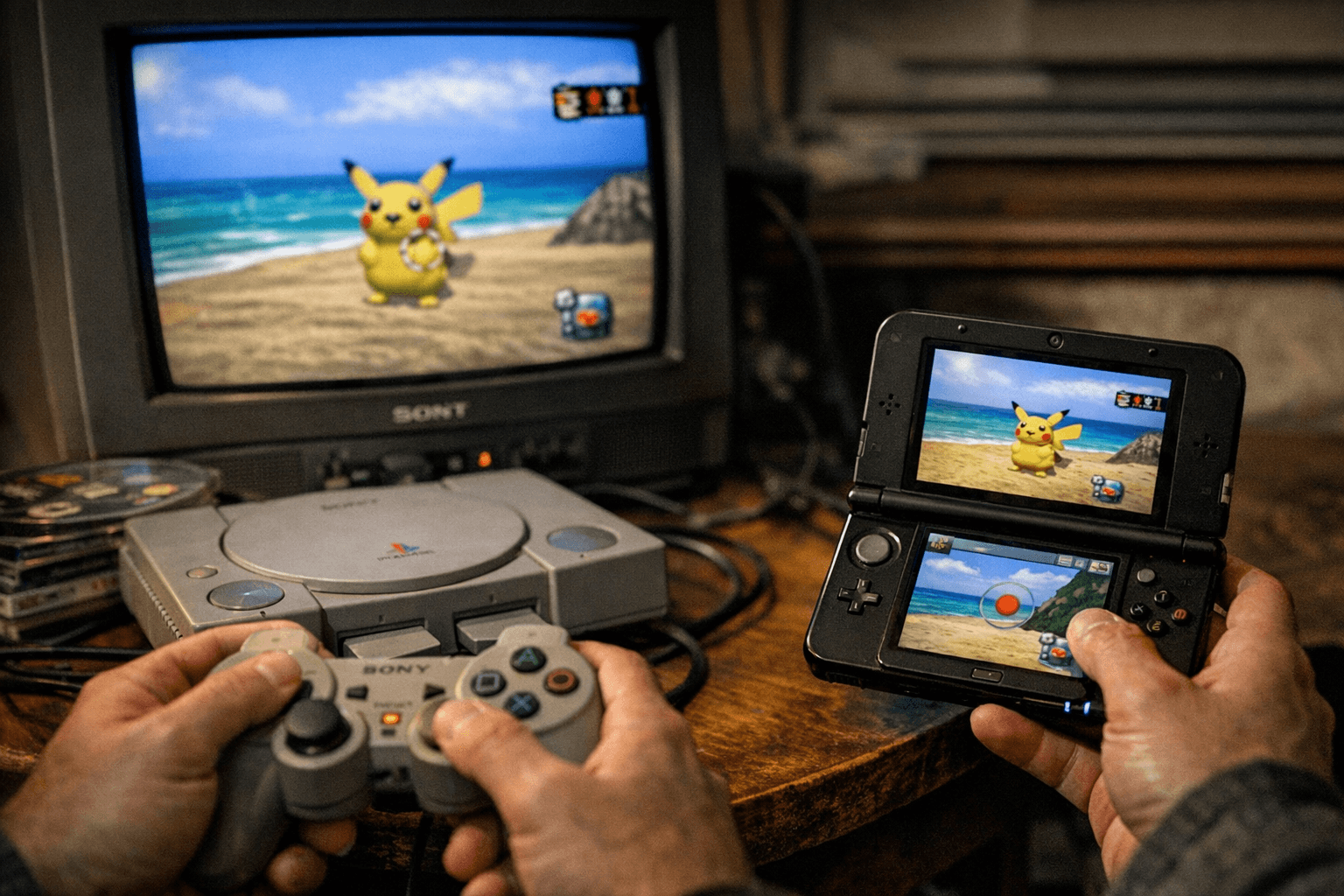
For retro game emulation and preservation, that contrast is the point. Fan developers are no longer just keeping old software alive inside emulators; they are also reinterpreting classic designs across hardware that never received them, using modern engines to test old assumptions about what a system can handle and who the audience is. A Nintendo 64 photography game becoming a PS1 project and a separate 3DS rebuild is not a novelty for novelty’s sake. It is a sign that the homebrew scene still knows how to make a familiar game feel oddly new, especially when the hardware mismatch is the whole attraction.
This article was produced by Prism’s automated news system from verified source data, official records, and press releases, then run through automated quality and moderation checks before publishing. The system is built and supervised by the people who set the standards it runs under. Read our full AI policy.
Did this article answer your question?