ModRetro details M64 FPGA design focused on accuracy and latency
ModRetro’s M64 deep dive puts PSRAM, open sourcing, and cartridge support ahead of hype, making accuracy and latency the real selling points.

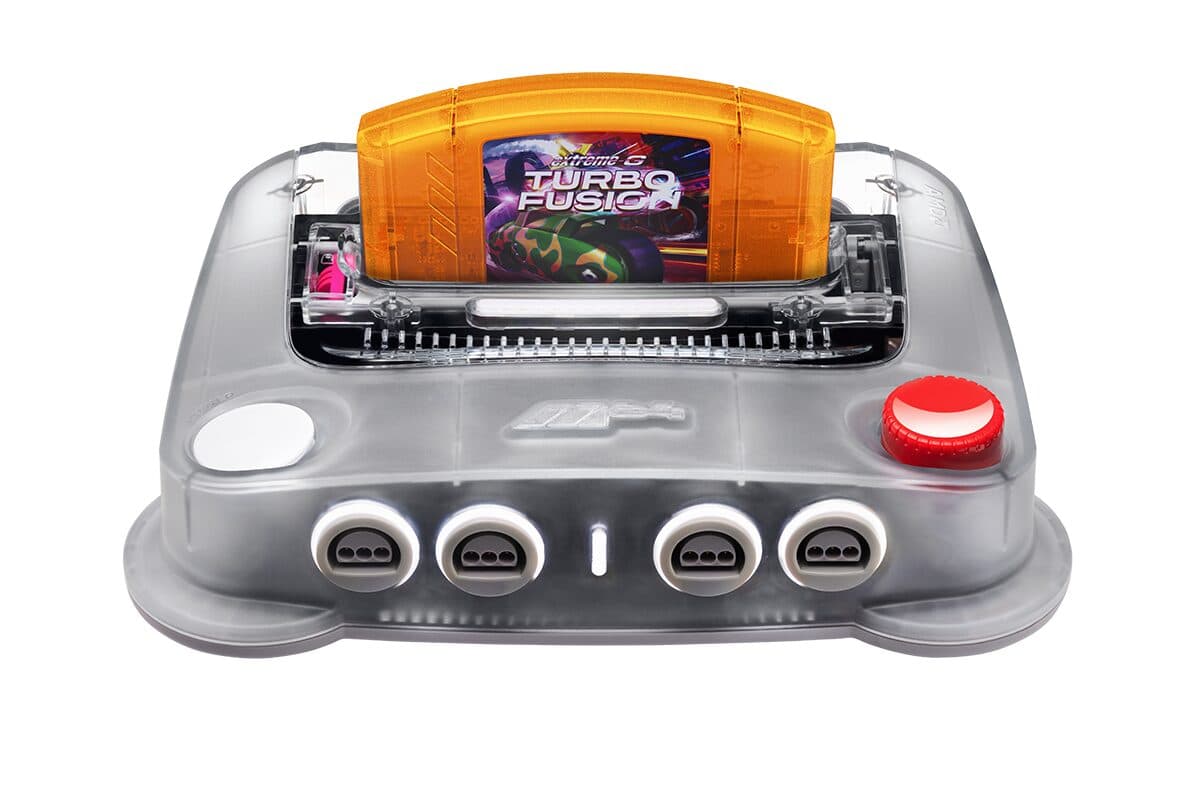
ModRetro’s latest M64 deep dive cuts past nostalgia and lands on the question emulation purists actually care about: what changes when the hardware is built for timing first? Written by core development partner Robert Peip, the June 2 post says the M64’s FPGA, memory subsystem, and interfaces were designed around accuracy from the start, not bolted on afterward as a marketing claim.
The biggest technical tell is ModRetro’s decision to use four fast, low-latency PSRAMs instead of DDR. In the company’s telling, that was not a minor parts swap but an early foundation of the system, because cartridge games do not just need speed, they need the right access patterns and timing. That matters on a Nintendo 64, where the CPU runs at 93.75 MHz and a task that takes six cycles on original hardware cannot simply be collapsed into one without changing behavior. When chips are working in parallel and RAM access timing shifts the order of events, software emulation and hardware replication can diverge in ways players notice on screen and in controller feel.
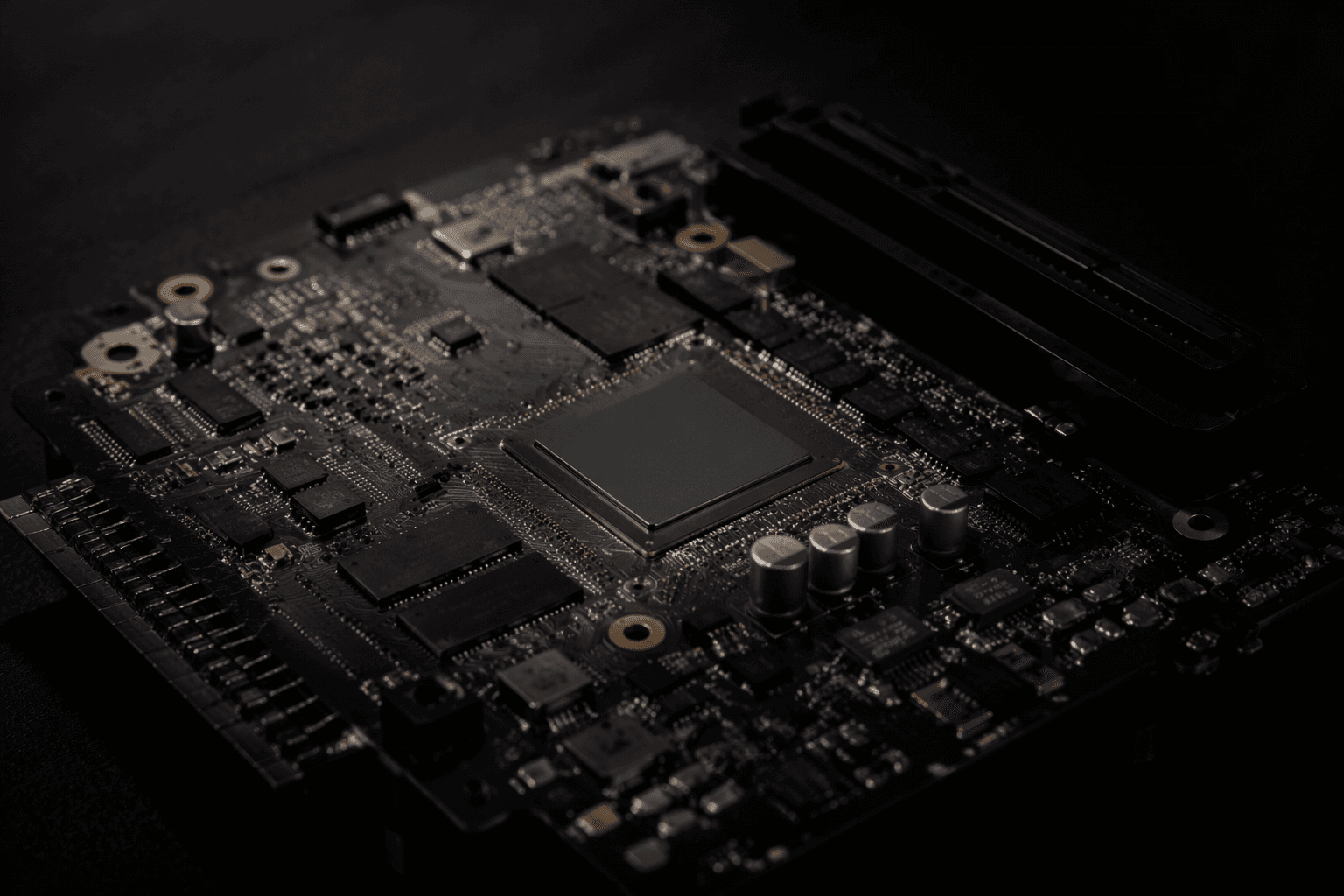
AMD’s own June 1 write-up framed the same machine in similar terms, describing the M64 as an AMD Artix UltraScale+ FPGA system built to recreate original chip logic for lower latency and greater authenticity than software emulation. ModRetro’s later update sharpened the hardware details further, saying the machine uses a 16nm AMD UltraScale+ FPGA, a fanless thermal design, and boots into gameplay in about 4 to 5 seconds. The company also says the M64 is built to accept original Nintendo 64 cartridges and support the original controller ecosystem, which makes this less like a closed novelty and more like a drop-in console replacement for collectors with shelves full of carts and accessories.
ModRetro is also signaling that the platform is meant to reach beyond a single boxed product. The company says a proof-of-concept MiSTer core port already runs on the M64, and that the FPGA core will be open-sourced at launch. Dozens of pre-production consoles are already in testers’ hands, and ModRetro’s waitlist page points to shipping on July 28, 2026. Third-party coverage has put the early-bird price at $199, with a regular retail price of $229, putting the machine squarely in the fight with Analogue’s competing FPGA N64 plans.
That broader strategy is familiar from ModRetro’s Chromatic handheld, which the company introduced in 2025 as a cartridge-compatible device for original Game Boy and Game Boy Color games. With the M64, ModRetro is making the same argument again, only more explicitly: if accuracy, latency, and long-term trust matter most, the hardware itself has to be part of the preservation story.
This article was produced by Prism’s automated news system from verified source data, official records, and press releases, then run through automated quality and moderation checks before publishing. The system is built and supervised by the people who set the standards it runs under. Read our full AI policy.
Did this article answer your question?