New Nintendo emulator aims for hardware-accurate sound and visuals
BeesNES is betting that real progress in NES emulation starts with sound, timing and feel, not just a sharp picture.
BeesNES is chasing the part of emulation that players notice the moment a jump lands, a note rings out, or a boss pattern desyncs: hardware behavior. The project describes itself as a sub-cycle-accurate Nintendo Entertainment System emulator, and its goal is not only to render games cleanly but to make them look, sound and feel like real hardware. That pitch matters because the biggest gap between a decent emulator and a convincing one is often not the frame rate, but the tiny timing quirks that shape response, animation and audio.
The emphasis on sound is especially telling. NES and Famicom audio has long been one of the hardest pieces to reproduce faithfully, and the 2A03 and 2A07 APU chips have their own ecosystem of tools built around accuracy. Nes_Snd_Emu, a portable NES and Famicom sound chip emulator library, is built around high accuracy, sound quality and efficiency, which underscores how much work goes into making chiptunes and effects behave the way they did on original machines. Inaccuracy here is not cosmetic. Audio timing and mixing can drift, and when they do, players can hear missing notes, wrong pitches and noisy samples that were never part of the real cartridge experience.
That is why BeesNES is arriving into a community that has spent years measuring how close software can get to original Nintendo hardware. Accuracy-focused projects have pushed from simple playability toward cycle-accurate and sub-cycle-accurate behavior, while community test ROMs and comparison videos continue to probe how official and commercial emulators handle edge cases. Nintendo emulation itself has always lived in two worlds, from broad-use projects like Project64 on Nintendo 64 to specialized NES work aimed at reproducing the 2A03 and 2A07 down to the smallest details.
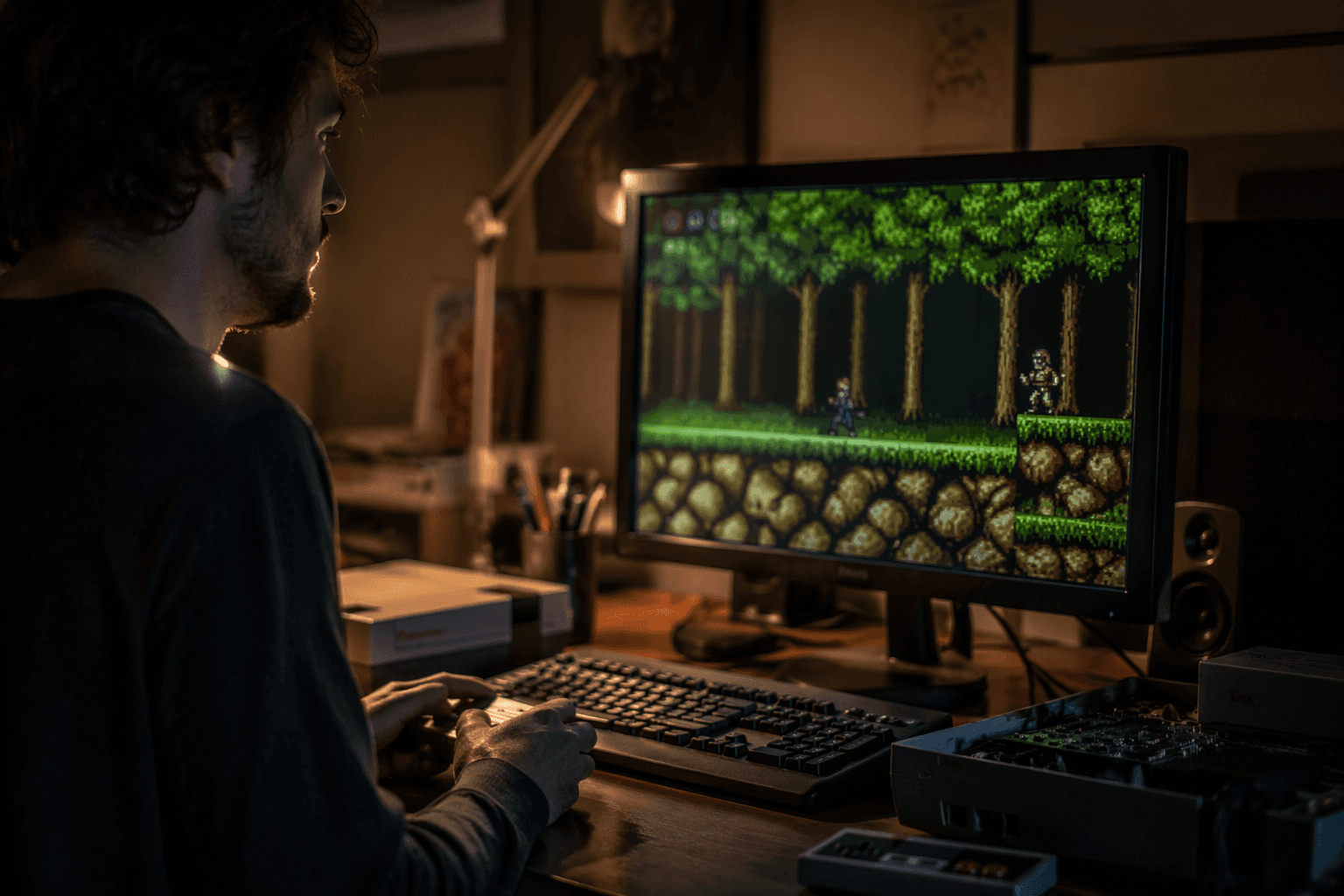
The wider debate has also shifted because FPGA recreations such as MiSTer keep raising the bar for hardware fidelity. That leaves BeesNES with a clear challenge: prove that software emulation can close enough of the gap that preservation-minded players, speedrunners and accuracy hunters hear and feel the original machine again, not just see it. If the project delivers on its sub-cycle-accurate promise, the difference will show up in the moments NES fans care about most, when the screen, the controller and the soundtrack finally move together as one.
This article was produced by Prism’s automated news system from verified source data, official records, and press releases, then run through automated quality and moderation checks before publishing. The system is built and supervised by the people who set the standards it runs under. Read our full AI policy.
Did this article answer your question?