PPSSPP update adds memory fixes, cleaner logs and UI tweaks
PPSSPP’s latest build smooths out the stuff players actually feel: cleaner logs, safer refreshes, a MEMSIZE readout, and a Vulkan buffer-overflow fix.
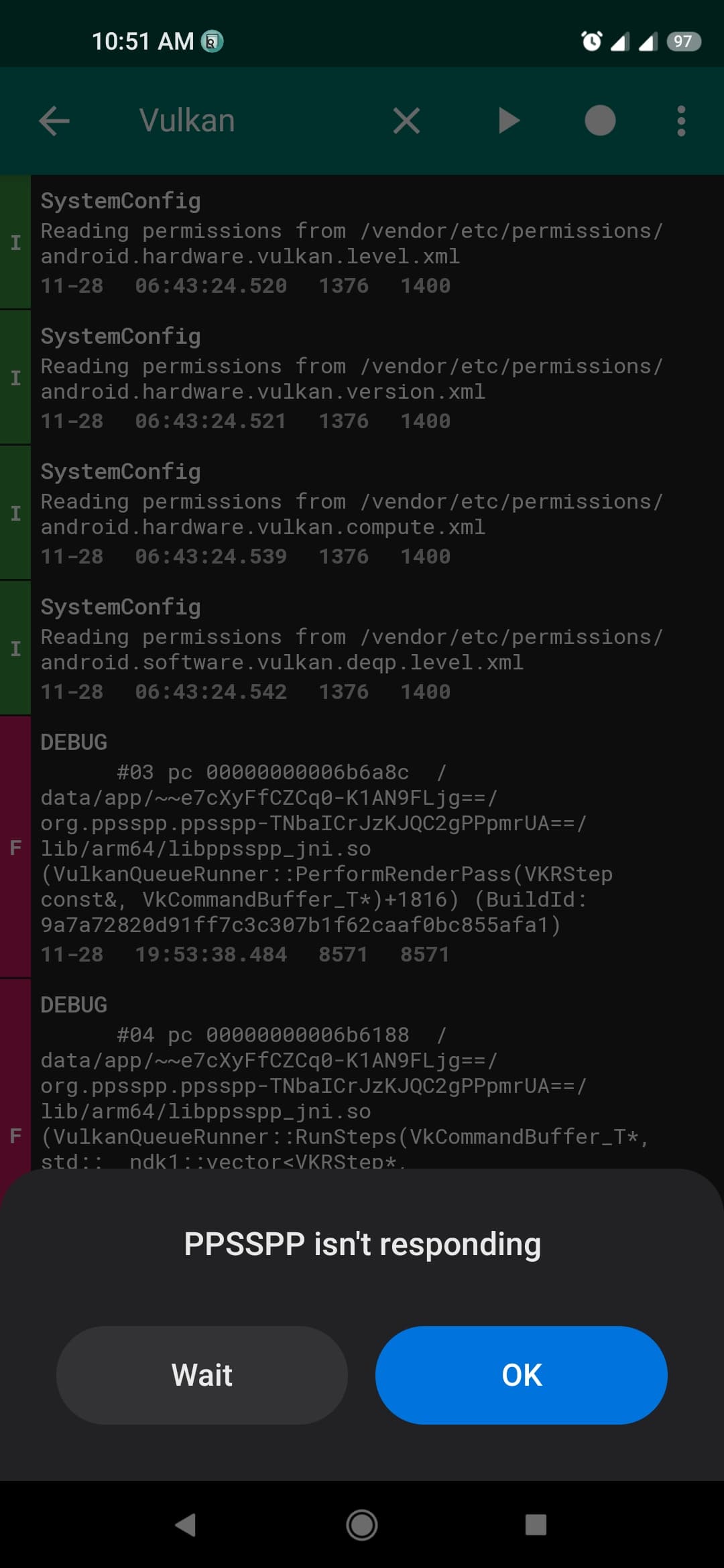
PPSSPP’s May 14 build looked like a small maintenance pass on paper, but it hit the parts of the emulator people actually notice once they boot a game: logs are cleaner, the game browser refresh is safer, and the interface gets a little less clunky. The update also surfaced MEMSIZE on the game screen when that value is present in PARAM.SFO, a useful touch for anyone testing homebrew or stubborn PSP titles that depend on extra memory.
The most important fix sits under the hood. Recent commits addressed a Vulkan pushbuffer memory overwrite issue by adding allocation slack, which is the kind of correction that does not show up in a splashy feature list but matters when you are chasing down odd crashes or instability. The build also included a buffer-overflow fix, a new entry in adhoc-servers.json, and a better GameBrowser refresh implementation. PPSSPP also fixed the Exit icon not appearing in MessagePopup, a small UI miss that still affects day-to-day use when you are navigating menus on a phone or handheld.
That polish fits a pattern PPSSPP has been building for a while. Version 1.20.3 fixed ad hoc relay servers when RetroAchievements were enabled on Windows, added ad hoc UI improvements, and fixed logging to file. Version 1.20.2 improved the ad hoc multiplayer server list, made it dynamically updated, and added support for adding and removing entries. Version 1.20.1 went further, re-engineering the UI for proper portrait-mode support and separate portrait and landscape layouts. For an emulator that runs on Android, iOS, Windows, macOS, Linux, and more, that kind of interface work matters just as much as raw compatibility.
The ad hoc side is not abstract plumbing, either. PPSSPP’s current adhoc-servers.json includes real community relay servers such as Socom Adhoc Server in France, Madness Gaming Network in Alaska, EA Nation Hub in France, and Psi-Hate in Minnesota. That is the practical payoff of these updates: fewer broken paths when you refresh your library, clearer logs when something goes wrong, and a better shot at getting PSP multiplayer or homebrew running without extra friction.
This is the kind of PPSSPP update that will not wow anyone in a headline, but it is exactly the sort of work that keeps the emulator dependable. A cleaner log window, a visible MEMSIZE readout, and a safer refresh routine are the details that make PSP play feel less like troubleshooting and more like playing.
This article was produced by Prism’s automated news system from verified source data, official records, and press releases, then run through automated quality and moderation checks before publishing. The system is built and supervised by the people who set the standards it runs under. Read our full AI policy.
Did this article answer your question?