ROCKNIX returns with first stable release in over a year, adds 17 devices
ROCKNIX’s first stable release in over a year widens support to about 66 devices, giving Odin 3, Thor and more a real stable target.

ROCKNIX has ended its long stable-release drought with a build that matters immediately for handheld owners, not just project watchers. The first stable release in more than a year landed on June 1, 2026, and it expands support from 49 devices and their variants to about 66, a jump of roughly 35 percent that turns a lingering nightly-only experiment into something far easier to recommend.
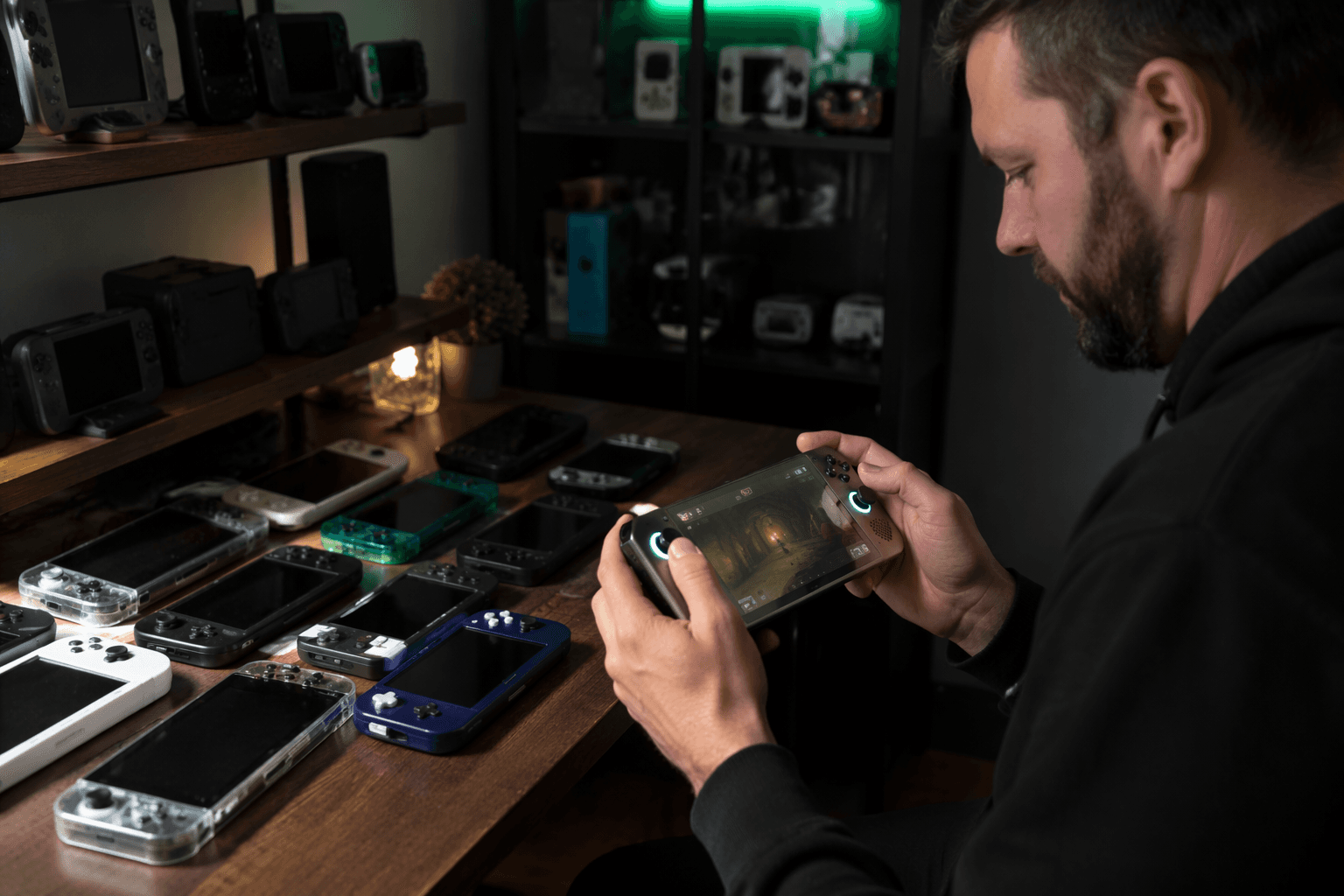
That hardware list is the story. The new stable track brings proper support for devices including the AYN Odin 3, AYN Thor and Thor Lite, Retroid Pocket 6 variants, multiple Ayaneo Pocket models, the Konkr Pocket Fit, the Anbernic RG Vita Pro and RG DS, plus broader coverage for the full H700 family and additional RK3326 clones. For Linux handheld users, that is not a cosmetic patch. It means more devices are supported cleanly at the kernel and bootloader level, which is the difference between a tinkering project and a setup that can realistically replace bloated Android or Windows software on a daily-driver handheld.
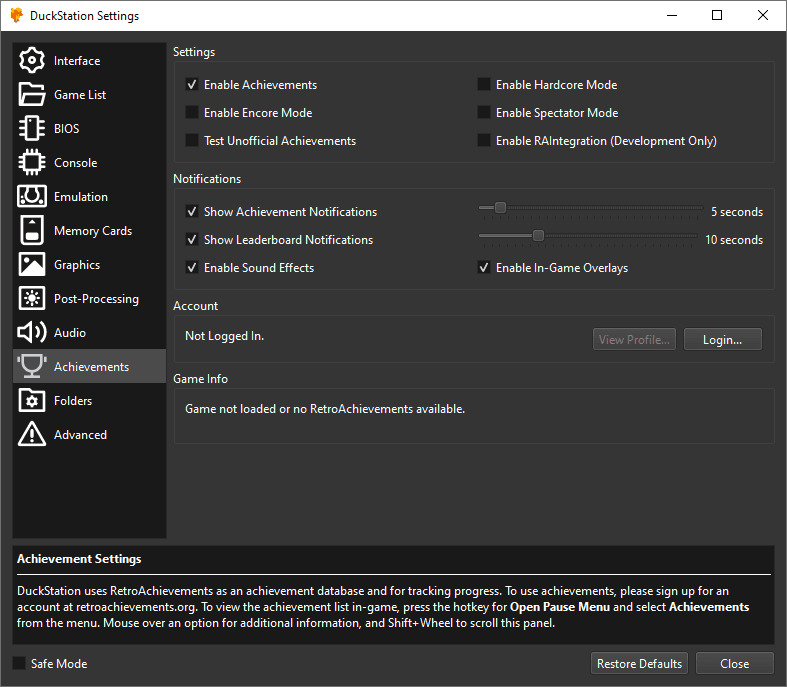
ROCKNIX also used the release to formalize or add several emulator options. FEX-emu Steam, Vita3K, TouchHLE, and SkyEmu are now part of the lineup, while duckstation-lr was removed. That mix suggests a cleaner, less redundant stack, with the project steering toward a more coherent default experience instead of overlapping paths that leave users guessing which emulator branch to trust. For people booting straight into a console-like interface, that matters as much as the headline device count.
The stable build sits on top of a long stretch of nightly development, and the improvements from that work show up in the parts of the handheld experience people notice every time they power on. Achievements support improved over the year, PortMaster integration got stronger, and driver work, OTG support, screen updating, and controller handling all moved forward. Put together, those changes make ROCKNIX feel less like a Linux image you test on the side and more like a full operating environment for retro handhelds.
After more than a year without a stable release, the headline is not just that ROCKNIX is back. It is that owners of supported devices finally have a stable target worth flashing, with enough hardware coverage and day-to-day polish to make the platform feel ready for real use.
This article was produced by Prism’s automated news system from verified source data, official records, and press releases, then run through automated quality and moderation checks before publishing. The system is built and supervised by the people who set the standards it runs under. Read our full AI policy.
Did this article answer your question?