Sega VR revived through emulation of an unreleased Genesis accessory
Sega VR was never sold, but source code turned it from rumor into hardware researchers can study. The same playbook is rescuing prototype-era oddities like Nuclear Rush.
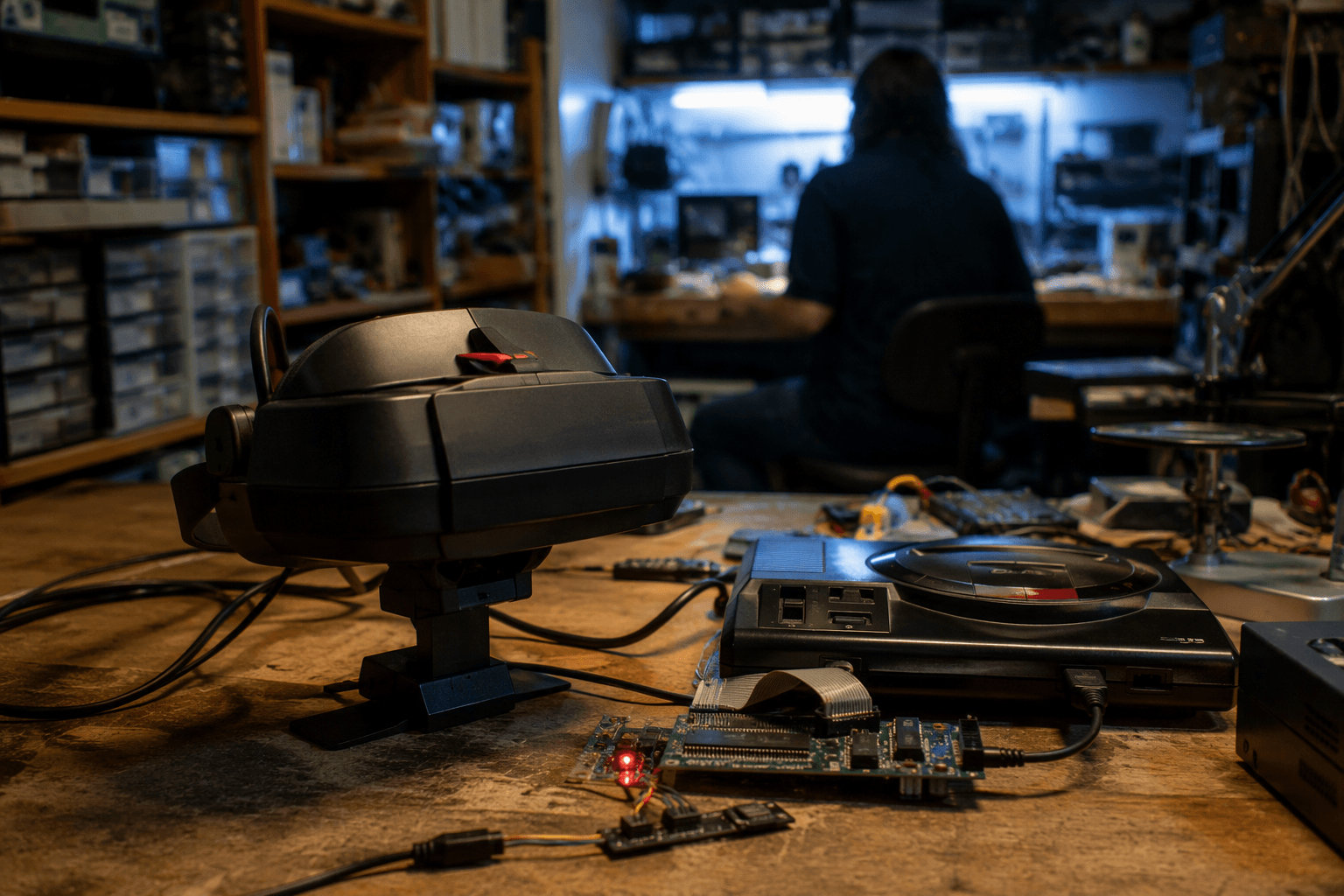
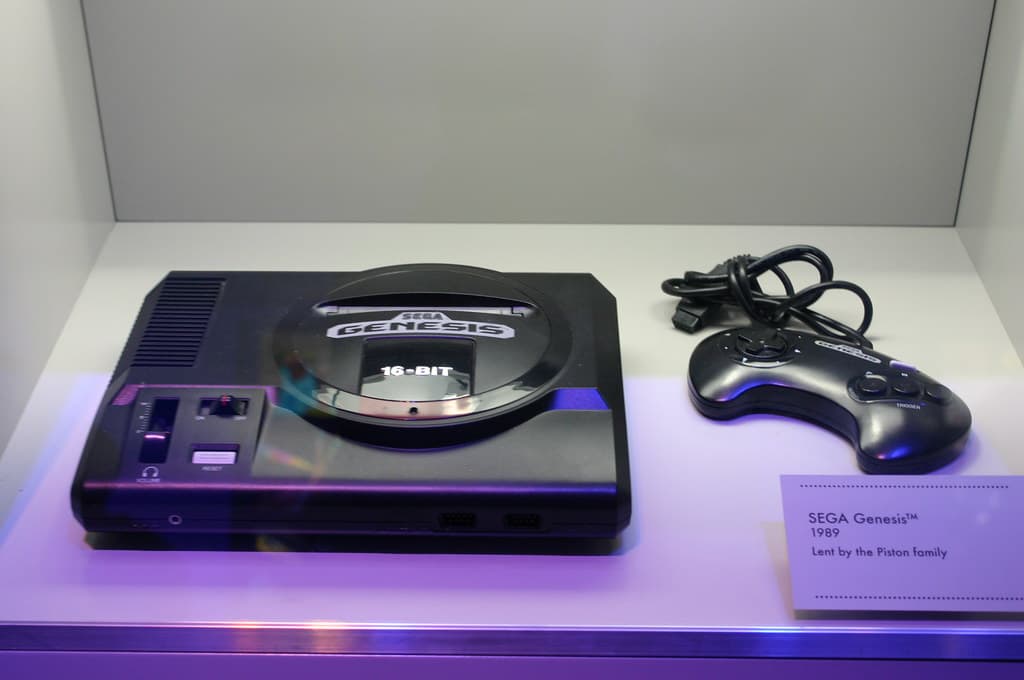
Sega VR is the kind of hardware that usually survives as a half-formed legend: announced in 1991, shown at CES in 1993, and then left behind when Sega’s virtual-reality push never reached store shelves. The Video Game History Foundation’s reconstruction turned that absence into something concrete, using source code to make the accessory behave like a system again instead of a rumor in Genesis history.
From trade-show ghost to studyable platform
Before the reconstruction, most of what existed around Sega VR was scattered evidence rather than a usable machine. Knowledge came largely from trade-show appearances, marketing materials, patent documents, and firsthand accounts, which left the accessory pinned to fragments instead of a full technical record. That is exactly the kind of situation where emulation stops being convenience and becomes preservation.
Sega VR matters because it never became a retail product with a normal library of cartridges, a consumer setup, or a stack of surviving units to inspect. There was no finished hardware to buy or dump in the usual sense. For prototype-era devices like this, the historical record has to be rebuilt from the inside out, and that is where software, documentation, and emulation start to work together.
What source code changes
Rich Whitehouse authored the reconstruction for the Video Game History Foundation, and the project’s core point is simple: source code can turn an unreleased accessory into something that can be studied. The foundation described the effort as bringing Sega VR back to life “through the power of source code,” which is the right phrase for a case like this because the code becomes the bridge between concept and behavior.
That difference matters. Basic emulation is often about running a game correctly on another machine, but Sega VR required a deeper historical reconstruction of the hardware experience itself. The goal was not just to make software boot, but to recreate the intended relationship between the Genesis / Mega Drive, the accessory, and the software designed around it closely enough that researchers could inspect how Sega expected the system to work.
How a lost platform gets rebuilt
The Sega VR project points to a preservation playbook that goes well beyond dumping a ROM. A lost platform can be reconstructed only when the surviving evidence is treated as a single technical puzzle, with each artifact filling in a different missing piece.
1. Gather the paper trail first.
Trade-show materials, marketing copy, patent documents, and firsthand accounts help establish what the hardware was supposed to be, even when no retail unit exists. For Sega VR, those sources were the starting point for separating solid facts from the folklore that builds up around canceled hardware.
2. Find code, prototypes, or developer material that can anchor the reconstruction.
In this case, source code made the decisive difference. Without it, the emulator would have had to infer far more from external descriptions alone.
3. Cross-check the code against the historical artifacts.
The code reveals intended behavior, while the documents and public appearances show how Sega presented the accessory. Matching those two sides is what turns an educated guess into a usable historical model.
4. Build for study, not just play.
“Playable” is not the only goal when the subject is unreleased hardware. A faithful reconstruction lets researchers test assumptions, compare against surviving documentation, and understand what the platform was trying to do before it vanished.
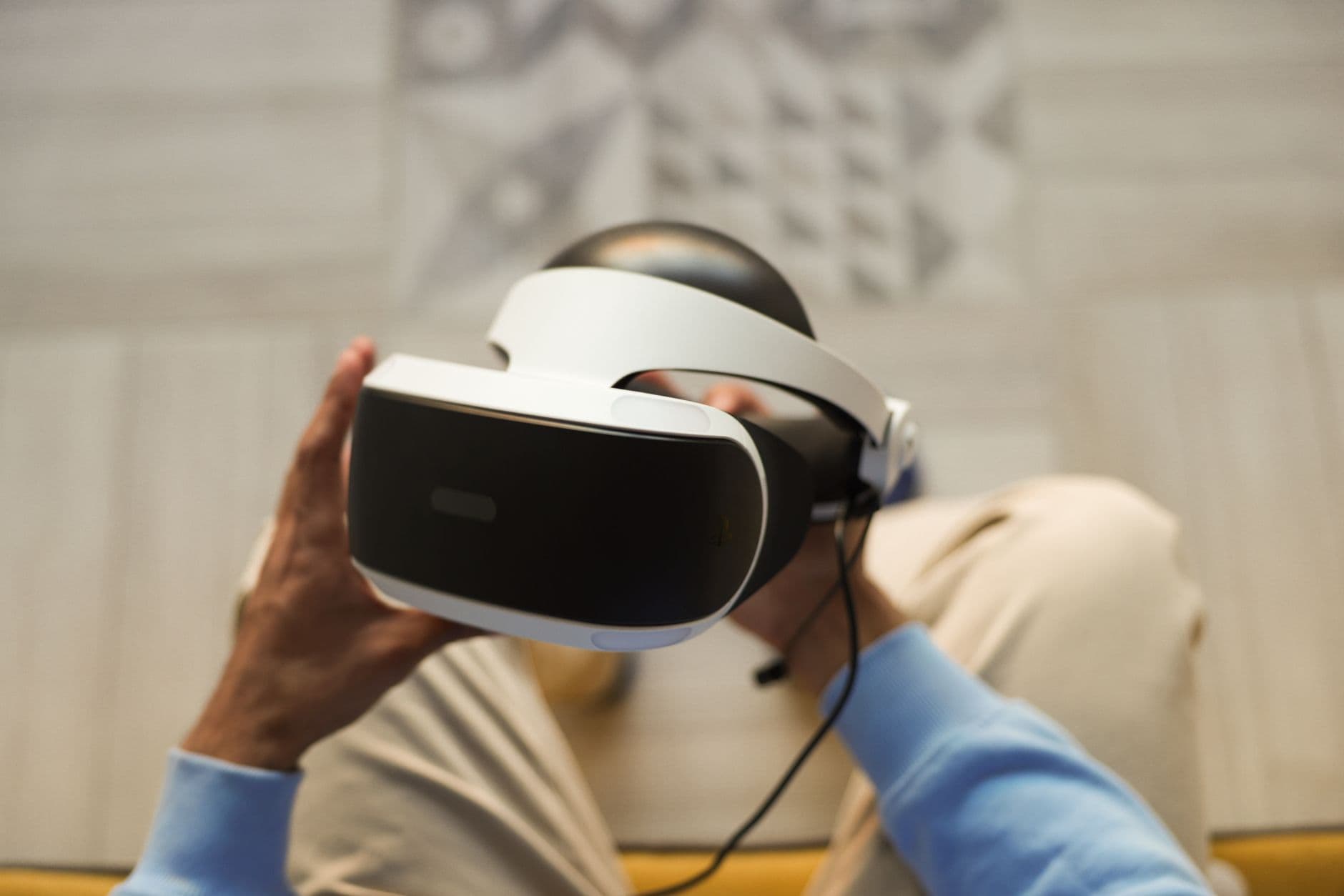
That workflow is why Sega VR is more than a novelty. It demonstrates how emulation can preserve the shape of a machine that never made it out of the prototype era.
Nuclear Rush shows the method in action
The unreleased shooter Nuclear Rush gives the Sega VR story a concrete software example. Hidden Palace identifies it as a 1993 Sega VR project and lists a prototype release dated November 20, 2020. The same record says the dump was released by Gaming Alexandria and the Video Game History Foundation, and that it came from a CD-R owned by Kenneth Hurley.
That kind of provenance matters because it shows how fragile prototype preservation is. The game did not survive through normal retail circulation; it surfaced through a private disc and archival release work. For historians and emulator developers, Nuclear Rush is not just another unreleased title, it is proof that the Sega VR ecosystem can be reconstructed piece by piece when code, ownership history, and archival handling line up.
Why this case matters beyond Sega
Sega VR is useful because it answers questions that a normal retro setup guide never has to face. What did the hardware try to do? Why was it cancelled? What games or demos were planned? How much can be recovered when the machine itself is gone but documents and prototypes remain? Those are the questions that define prototype-era preservation, and Sega VR gives them a working method instead of a theory.
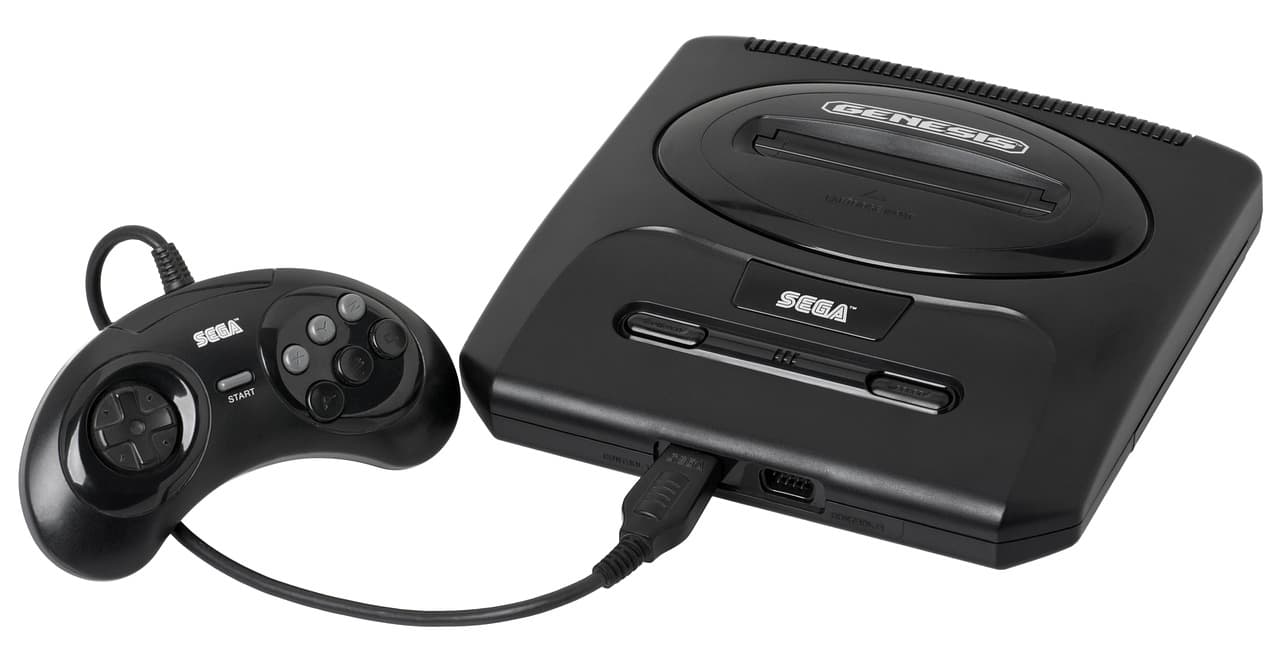
That is why this project reaches beyond one odd Genesis accessory. It shows that unreleased hardware can move from rumor to research object when source code, documentation, and emulation are combined with serious archival work. Sega VR began as a ghost of the early-1990s VR wave, and the preservation process gave it a body that can still be studied long after the original trail started to fade.
This article was produced by Prism’s automated news system from verified source data, official records, and press releases, then run through automated quality and moderation checks before publishing. The system is built and supervised by the people who set the standards it runs under. Read our full AI policy.
Did this article answer your question?