Socket aims to turn ROM libraries into virtual cartridges with artwork
Socket turns ROMs into virtual cartridges, and its artwork-heavy pitch could make messy libraries feel like a shelf instead of a spreadsheet.
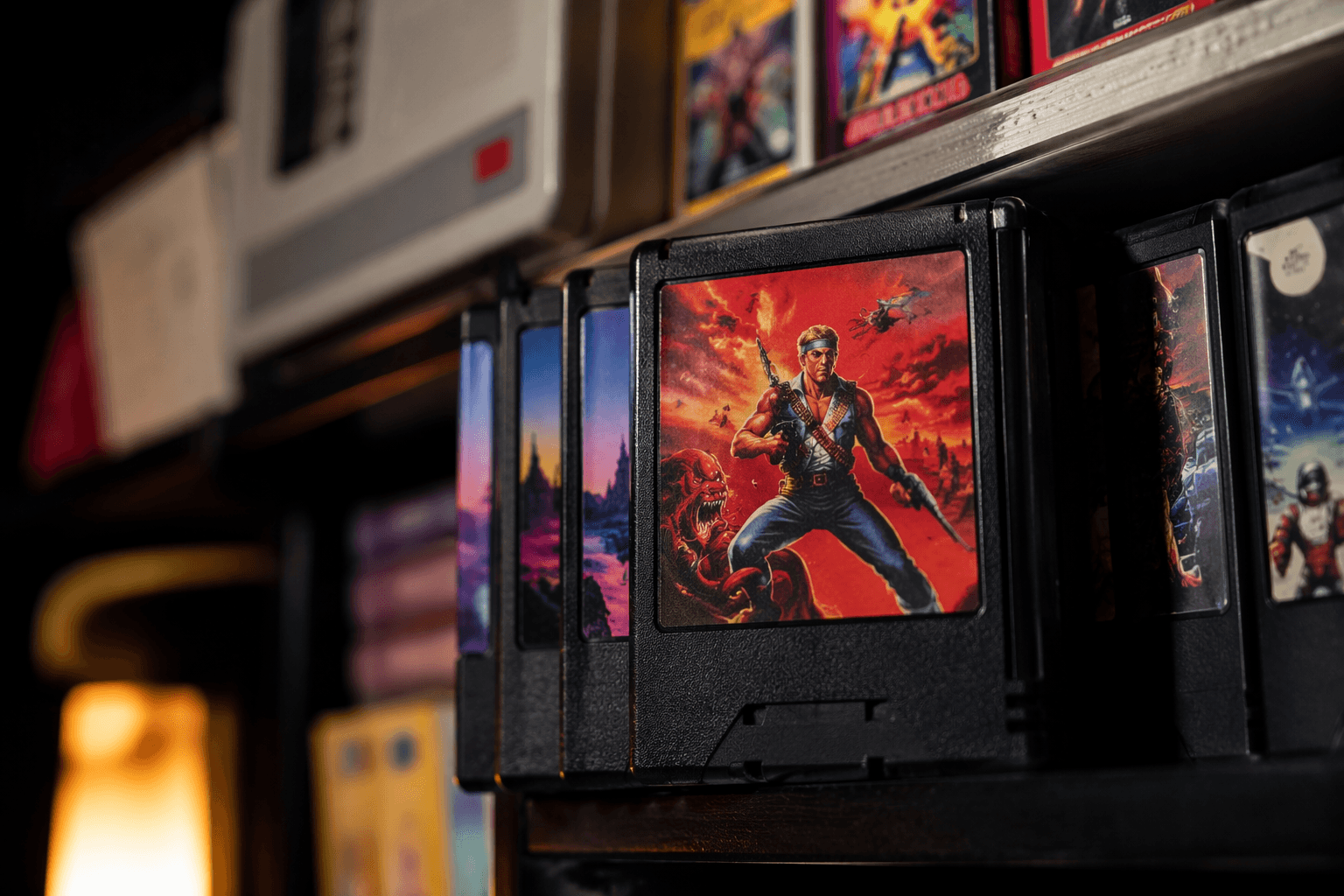
Can a cartridge-art-first front-end actually make large ROM libraries easier to browse, or is it just aesthetics layered over the launchers emulation fans already use? Socket is betting that presentation matters as much as metadata, and its earliest preview points squarely at collectors, couch players, handheld users, and anyone tired of text-heavy game lists. Built by a solo developer known as Depmots in the Godot Engine, the project is trying to turn ROM management into something that feels closer to handling a physical collection than scrolling through folders.
The standout trick is simple but striking: Socket automatically converts ROM files into virtual cartridges. It also supports disc and UMD artwork, which gives it broader appeal than a system locked to one era of media. In the preview shown on an AYN Thor handheld, platform pages carried unique 3D models, original stickers, custom sounds, and custom insert animations, all of it aimed at making each system page feel distinct rather than like another generic launcher screen.
That visual-first approach lands in a part of emulation that already has strong competition. Pegasus Frontend has long sold itself as a cross-platform, customizable graphical frontend with artwork, metadata, video previews, animations, effects, 3D scenes, and even custom shader code. ES-DE Frontend, meanwhile, supports more than 150 game systems and includes a built-in scraper for images, videos, and manuals, with current releases on Linux, macOS, Windows, and Android. For many users, those tools already solve the same practical problem Socket is trying to address: emulators often leave library management and launching to the user, so a frontend becomes the layer that makes the whole setup usable.
Socket’s edge, if it lands, will be in how immediately it sells the collection. Instead of asking users to organize around filenames and icons, it frames every game as a cartridge, disc, or UMD object with its own visual identity. Depmots says the first version should arrive in about a month, though no official release date has been set and it is still unclear whether Socket will hit the Android Play Store first or arrive as a manual free download. Ko-fi members may get early access to builds, which could put the project in the hands of early adopters before the broader release.
That leaves Socket in a promising but crowded lane: not a replacement for the existing big names yet, but a sharper answer to the same old question. If your ROM library already works, Socket is trying to make it feel worth browsing again.
This article was produced by Prism’s automated news system from verified source data, official records, and press releases, then run through automated quality and moderation checks before publishing. The system is built and supervised by the people who set the standards it runs under. Read our full AI policy.
Know something we missed? Have a correction or additional information?
Submit a Tip