SteamOS 3.8 expands Linux gaming and emulation beyond Steam Deck
SteamOS 3.8.10 makes ROG Ally, Legion Go, Claw and other handhelds easier to justify for emulation, with less setup friction and broader GPU support.
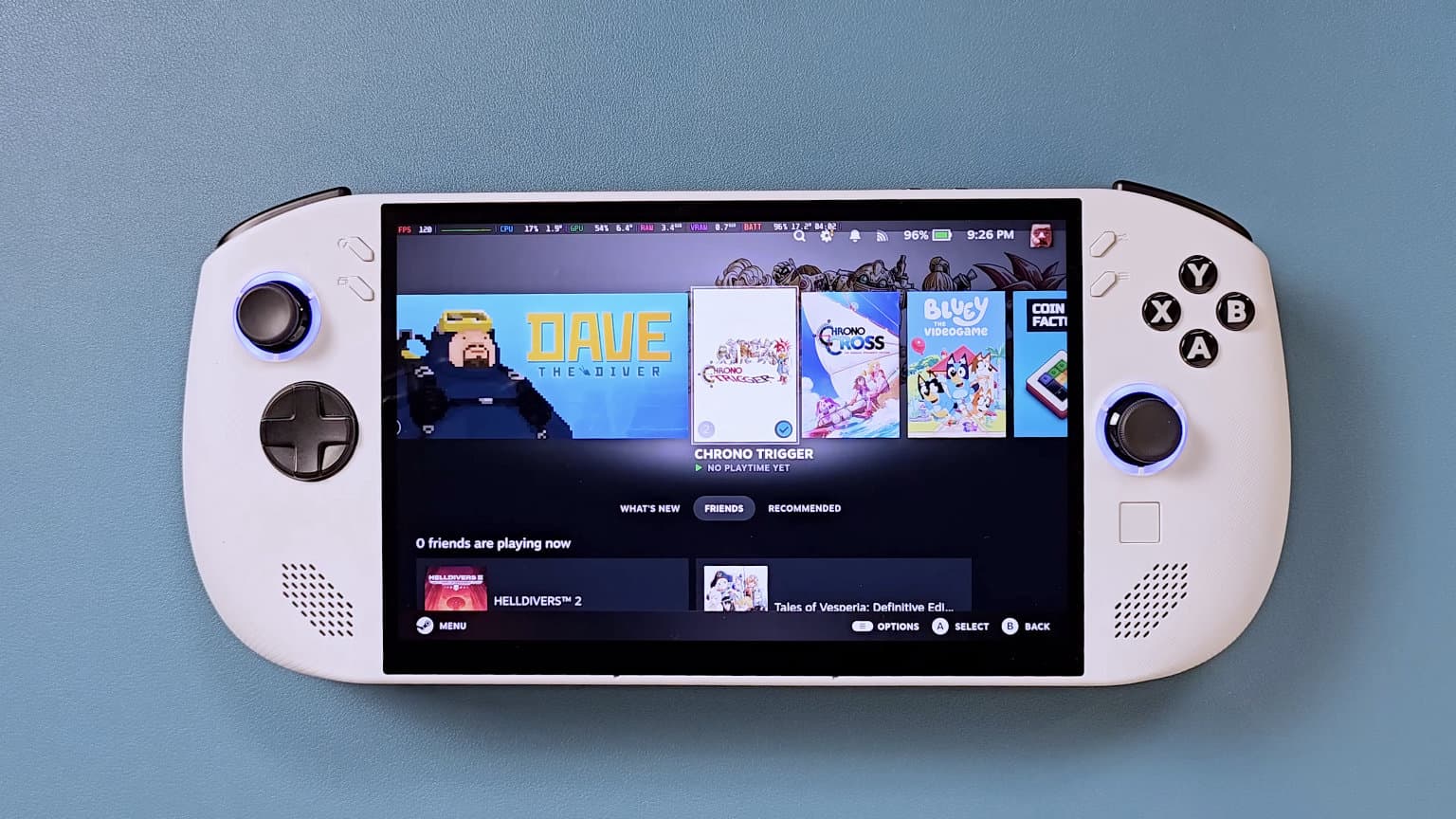
SteamOS 3.8.10 changes the handheld emulation conversation in a very practical way: it makes Linux feel less like a special project and more like a real buying option. If you have been eyeing an ASUS ROG Ally, a Lenovo Legion Go, an MSI Claw, or even a smaller oddball like an Anbernic Win600 or OrangePi NEO model, the latest SteamOS branch lowers the amount of tinkering needed before the device feels ready for retro play.
What SteamOS 3.8.10 actually adds
Valve’s stable 3.8.10 release brings a handful of changes that matter most once the machine leaves the bench and lands on a couch or in a bag. The update adds initial support for upcoming Steam Machine hardware, wake-from-sleep support through a connected Steam Controller, faster future OS updates on high-speed connections, and improved screen-casting support in Game Mode. Valve also says SteamOS is an open Linux platform that officially ships on Steam Deck, will soon ship with certain Legion Go S models, and is still being expanded to more devices.
That combination matters because handheld emulation lives or dies on convenience. Faster updates cut down the waiting around that can turn an operating system refresh into a chore, wake support helps the whole device feel more console-like, and better casting makes docked or living-room use less fussy. In other words, SteamOS 3.8.10 does not just add features on paper, it smooths out the exact moments where a handheld setup usually feels annoying.
Why non-Deck handhelds are suddenly more interesting
The biggest practical change is that SteamOS no longer feels as Deck-specific as it once did. Recent coverage around the release points to installation and support expanding across a much wider list of hardware, including the ASUS ROG Ally line, the Lenovo Legion Go family, MSI Claw systems, GPD handhelds, OneXPlayer devices, the Anbernic Win600, and OrangePi NEO models. Valve is also working with Intel and Nvidia to widen GPU support, which is a crucial detail because graphics compatibility is one of the things that decides whether a Linux handheld setup feels smooth or frustrating.
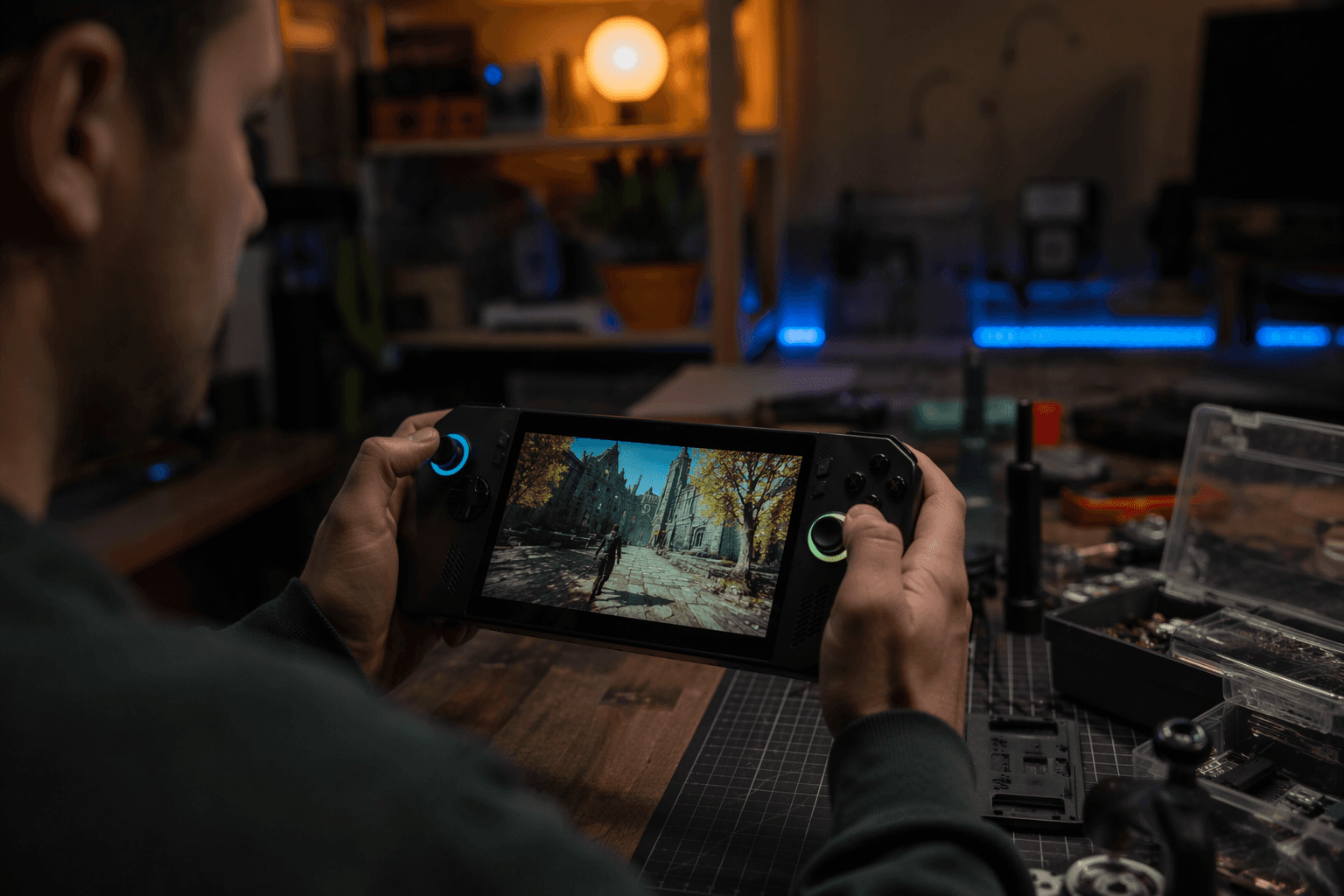
That last part is where the real dividing line sits. AMD-based handhelds and mini-PC-style devices look increasingly comfortable in the SteamOS world, while Nvidia remains the harder nut to crack. For buyers, that means the most attractive candidates are the machines that already line up well with SteamOS’s current compatibility push, especially AMD-powered handhelds where the operating system can get out of the way and let the hardware do its job.
The beta and preview channels gave that trend an earlier shape. Before the stable rollout, Valve had already been improving compatibility with newer Intel and AMD platforms, testing preliminary HDMI VRR support, and broadening handheld hardware support. SteamOS 3.7.0 preview even included the first beginnings of support for non-Steam Deck handhelds, which makes 3.8.10 feel less like a sudden leap and more like the point where the ramp finally reaches the road.
What friction drops for emulation setups
For emulation users, the most important effect is not the headline features, it is the reduction in setup friction. SteamOS as a steadier base means less time wrestling with frontend tools, controller mapping, shader-heavy emulators, and the ordinary housekeeping that can make a handheld feel unfinished. Once those pieces settle down, a device becomes much more plausible as an emulation-first box, not just a PC that can technically run emulators.
That matters whether you build around a launcher's tidy couch interface or a more general desktop-style setup. A Linux handheld with a stable SteamOS layer is easier to imagine as a mini-retro station because it behaves more like a dedicated appliance and less like a laptop in disguise. If you care about docked use, screen casting, and controller-heavy navigation, the 3.8 branch pushes in exactly the right direction.
The new support also lines up with the way the community already talks about handhelds. People do not buy an Ally, Legion Go, Claw, or OneXPlayer because they want to administer an operating system. They buy them because they want to run games, map controls cleanly, boot into something predictable, and get back to playing. Every piece Valve added in 3.8.10 points at that reality.

SteamOS versus Windows and Android for retro libraries
The real question is not whether SteamOS can run retro games. It is whether it is now a serious alternative to Windows or Android for the kind of library that includes everything from 8-bit carts to shader-heavy 3D systems. SteamOS looks stronger here because it offers a lighter, more controller-friendly environment than Windows while staying closer to a full PC stack than Android does.
Android handhelds still have an easy appeal for people who want a small, efficient machine with simple app access. Windows still has the broadest compatibility for obscure launchers and edge-case software. SteamOS, though, now occupies a more convincing middle ground for buyers who want a Linux-based gaming and emulation setup without the usual sense that they are taking on extra work just to get started.
That is why the broader market context matters. Valve’s push arrives alongside growing attention on the Steam Machine and a continuing split between Windows and Linux handheld ecosystems. SteamOS is being positioned as a flexible PC gaming platform, and that helps explain why third-party handheld installs have gathered so much interest. When the operating system becomes easier to live with, the hardware underneath it becomes more attractive to anyone building a retro library that needs reliability as much as power.
SteamOS 3.8.10 does not finish the job. It does something more useful for emulation buyers: it makes the next handheld feel less like a compromise and more like a choice. That is the difference between a system you tolerate for retro play and one you actually plan around.
This article was produced by Prism’s automated news system from verified source data, official records, and press releases, then run through automated quality and moderation checks before publishing. The system is built and supervised by the people who set the standards it runs under. Read our full AI policy.
Did this article answer your question?