SteamOS beta adds Intel handheld support, widening device compatibility
SteamOS beta is beginning to recognize Intel handhelds and PCs, opening the door for devices like the MSI Claw 8 AI+ as cleaner emulation rigs.
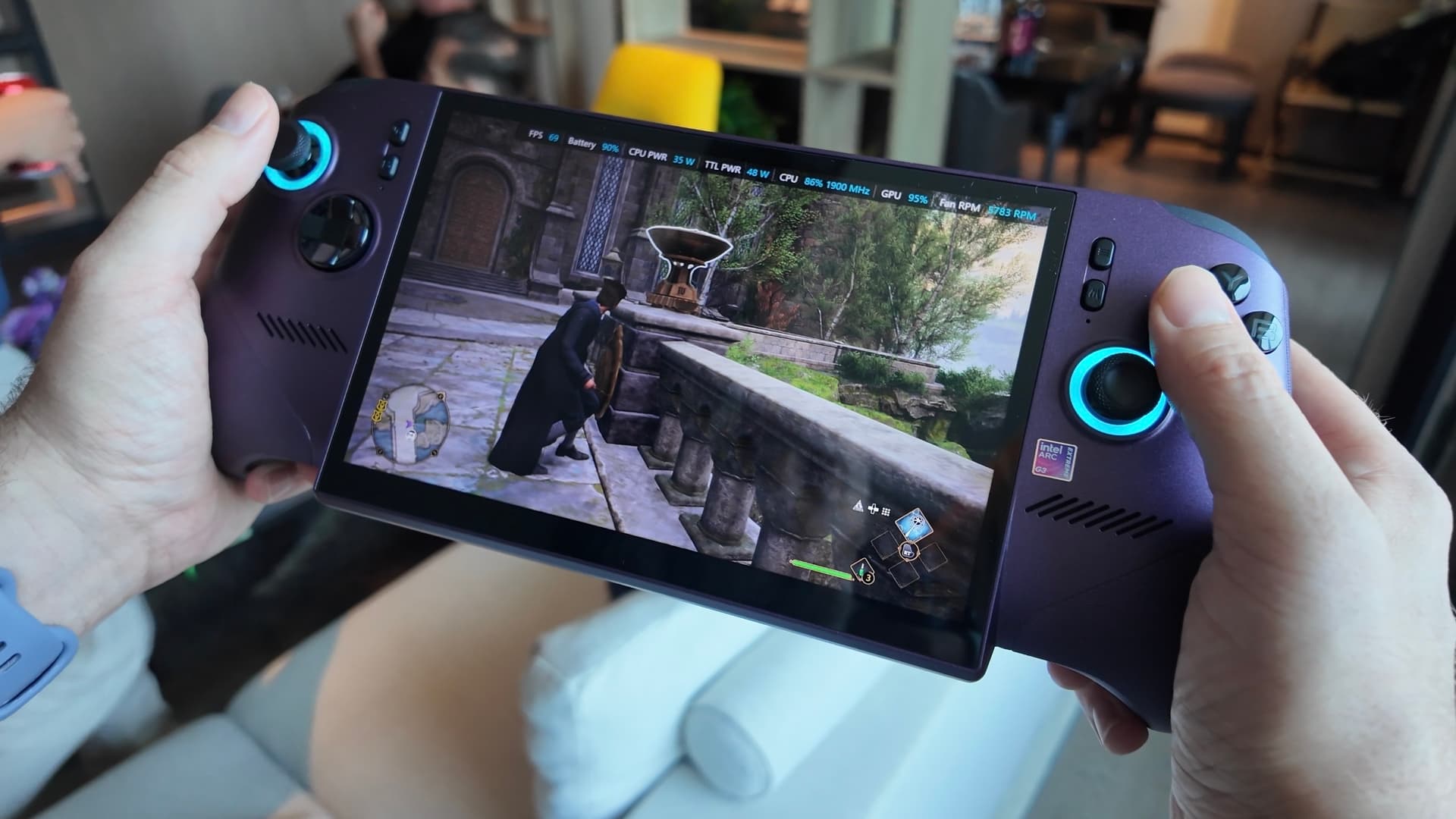
For anyone trying to turn an Intel handheld into an emulation box, the SteamOS beta just became worth watching. Recent builds have started to recognize Intel-powered handhelds and PCs, pushing SteamOS beyond the AMD-first lane that has defined most of the handheld scene so far.
Valve’s own messaging now makes that expansion look deliberate. SteamOS officially ships on Steam Deck and will soon ship with certain Legion Go S models, while Valve says it is working on support for more devices. On Steamworks, Valve has also begun rolling out SteamOS Compatibility ratings for SteamOS devices, extending the Deck Verified idea into a broader ecosystem instead of treating the Deck as the only real target. Valve’s SteamOS materials describe the platform as an open Linux system, and the company’s Chinese SteamOS page says it is still improving compatibility with other AMD-based handheld PCs, which explains why Intel support is drawing so much attention now.

The practical appeal for emulation builders is clear. SteamOS has long offered a cleaner couch-friendly interface than Windows, and on the right hardware it can mean less desktop friction, fewer launchers in the way, and a setup that feels closer to a dedicated handheld console. But the community has also seen the rough edges on third-party installs: trackpads that do not behave quite right, LEDs that miss their cues, firmware updates that need extra handling, and sleep and wake quirks that can make a portable feel unfinished. That is why every new compatibility step matters. Even Valve’s 3.8.9 beta notes point to device-specific improvements, including better motion control support for handhelds using BMI260 IMUs and SD card reliability fixes for third-party devices such as the ASUS ROG Xbox Ally, Legion Go 1, Legion Go S, Legion Go 2, and MSI Claw.
The Intel angle moved from theory to something closer to a test case when ETA Prime showed SteamOS running on the MSI Claw 8 AI+, built around Intel Core Ultra 7 258V and Arc 140V graphics. ETA Prime’s channel focuses on tutorials, PC builds, retro emulation, and gameplay, which makes that demo especially relevant to the audience watching for a handheld Linux setup that can do more than boot a game launcher. A separate community report also pointed to SteamOS running on the Intel Arc B580 GPU, though with some tinkering.
That is the real upgrade path here: Intel handhelds and compact PCs may finally get a SteamOS route that makes sense for emulation, but the beta is still a place for experimentation, not instant polish. For now, the promise is real, the support is widening, and the best part is that Intel owners can finally see their hardware entering the conversation instead of sitting outside it.
This article was produced by Prism’s automated news system from verified source data, official records, and press releases, then run through automated quality and moderation checks before publishing. The system is built and supervised by the people who set the standards it runs under. Read our full AI policy.
Did this article answer your question?