Valve's Steam Machine and Steam Frame may be nearing launch
Valve’s Steam Machine looks closer to a real launch, and its SteamOS-first cube could reset the best living-room emulation box if it ships as advertised.
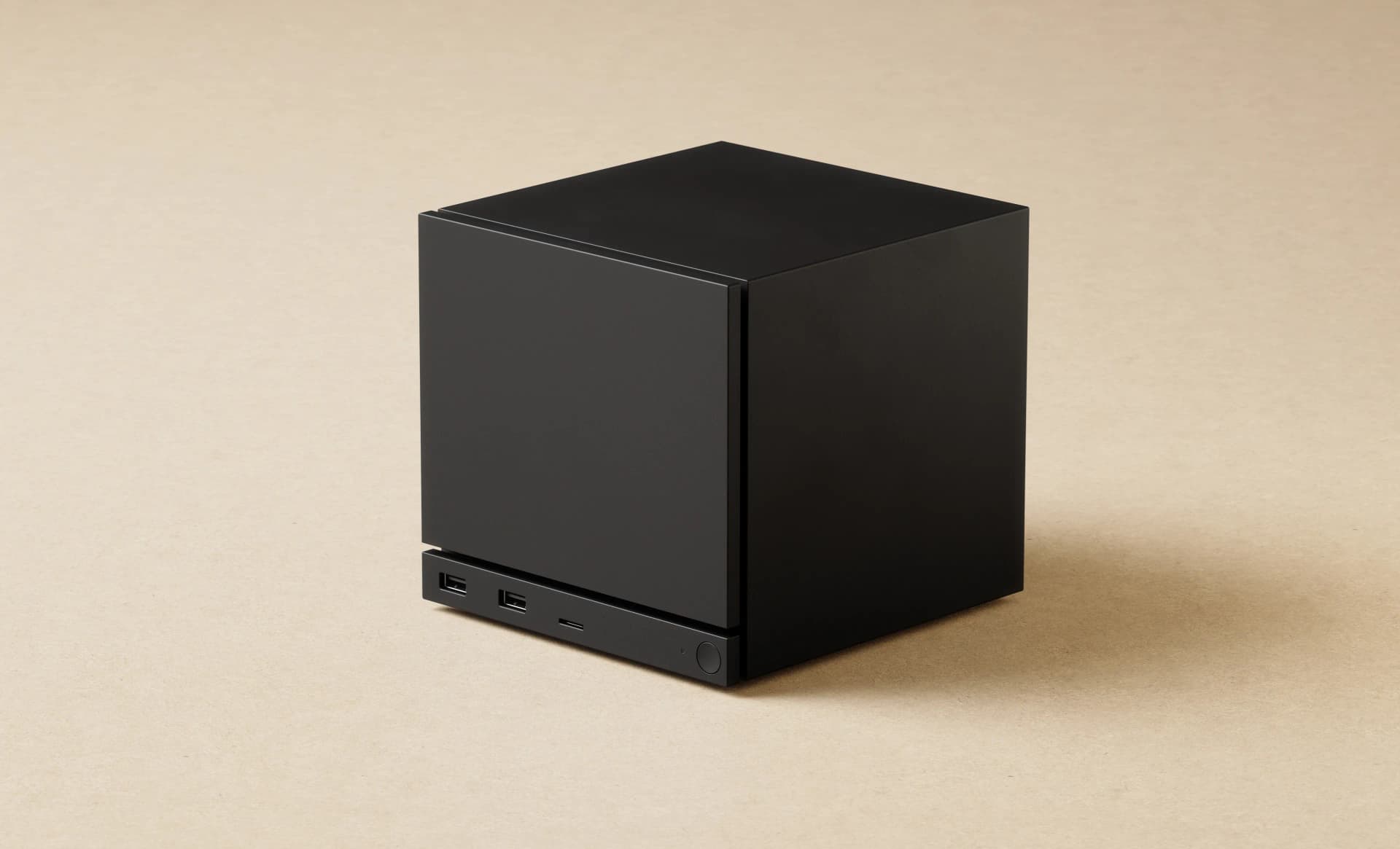
Valve’s long-promised living-room hardware finally has the kind of launch signals that matter to emulation fans: review units are reportedly out, shipment tracking points to hardware moving into U.S. facilities, and the company’s own Steam pages now frame Steam Hardware as expanding in early 2026. For anyone building a couch-friendly retro setup, that changes the conversation from “another Valve tease” to whether Steam Machine could become the most polished SteamOS box yet.
The clearest breadcrumb is the timing. One timeline circulating alongside the shipments points to an announcement on Tuesday, June 23 at 10 AM PT and reservations on Tuesday, June 30 at 10 AM PT, while another window places the reveal somewhere between June 22 and June 30. That is still prediction, not confirmation, but it sits on top of something more concrete: Valve is now listing Steam Machine as a roughly 6-inch cube with a built-in power supply, 512GB and 2TB storage options, 2x2 Wi-Fi 6E, Bluetooth 5.3, and a Steam Controller wireless adapter built into the machine. Valve is also saying the box has over six times the horsepower of Steam Deck.
For retro emulation, that combination is the real story. A small SteamOS desktop with built-in wireless controller support is exactly the kind of hardware that can replace a mini PC, especially for users who want a living-room machine that boots into a controller-first interface without the usual Windows overhead. SteamOS is Valve’s Linux-based gaming OS, it already ships on Steam Deck and certain Legion Go S models, and Valve says support for more devices is in development. That makes Steam Machine less interesting as a gimmick and more interesting as a potential reference point for Batocera-style appliance builds, frontend boxes, and dual-purpose media and emulation rigs.
Steam Frame matters too, but in a different way. Valve’s headset is being positioned as a streaming-first standalone VR device launching in early 2026, running a VR version of SteamOS with an evolved Proton layer that can handle Linux, Windows, and Android apps. That does not replace a living-room emulation box, but it does show Valve pushing the same software stack across more surfaces, with Steamworks now expanding its Verified program to include both Steam Machine and Steam Frame. For the retro crowd, that is the signal worth watching: not just new hardware, but a broader SteamOS ecosystem that could make the best couch setup easier to build, easier to boot, and a lot harder to ignore.
Valve tried this living-room angle before in 2015 with Steam Machine, Steam Controller, and Steam Link. This time, the hardware, the software, and the shipments all point in the same direction, and that is what makes the current run of clues feel less like recycled vapor and more like the moment Valve finally turns a SteamOS box into a real emulation contender.
This article was produced by Prism’s automated news system from verified source data, official records, and press releases, then run through automated quality and moderation checks before publishing. The system is built and supervised by the people who set the standards it runs under. Read our full AI policy.
Did this article answer your question?