Cognition launches Devin Desktop, a Rust-powered agent command center
Cognition turned Windsurf into Devin Desktop and rewrote its local agent in Rust, betting the runtime matters as much as the UI.
Cognition’s latest product move is framed like a desktop rebrand, but the sharper story is underneath it: the company rewrote the local agent in Rust and put that runtime at the center of a multi-agent command surface.
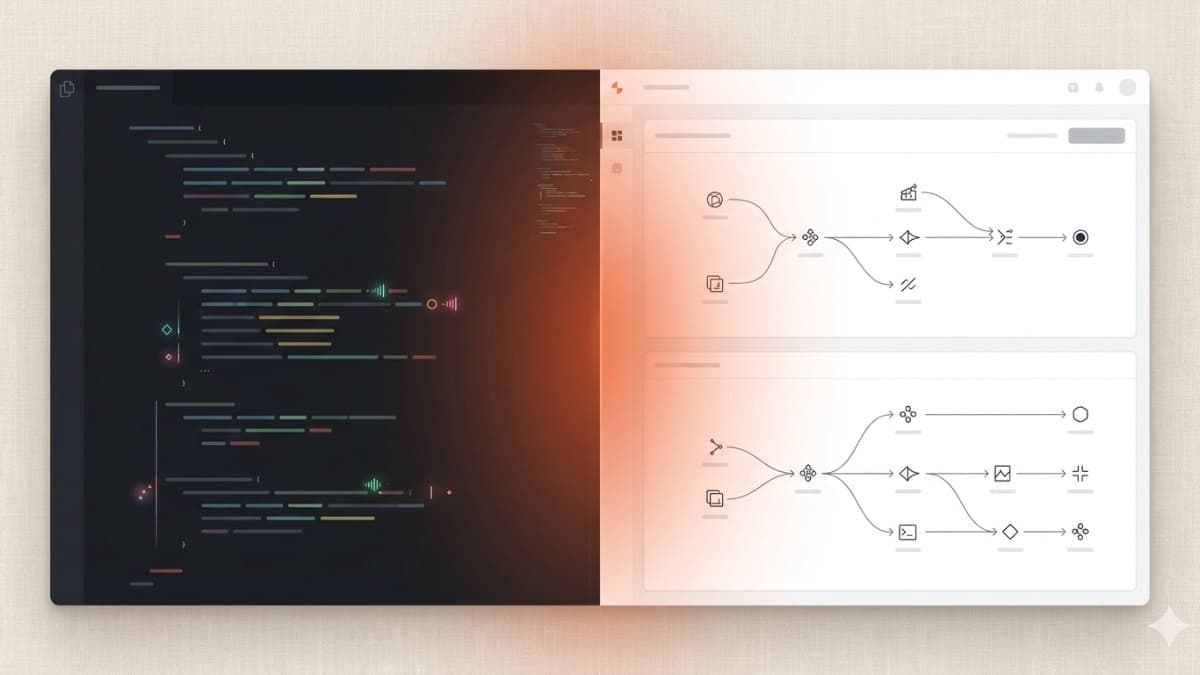
Devin Desktop, the new name for Windsurf, arrived as a standard over-the-air update on June 2, 2026. Cognition said the classic Windsurf editor experience remains available, and that nothing is being removed. What changed is the default center of gravity. Instead of treating the app as just another editor, Devin Desktop now opens around an Agent Command Center, with a Kanban-style view and Spaces for grouping sessions, pull requests, files, and shared context.
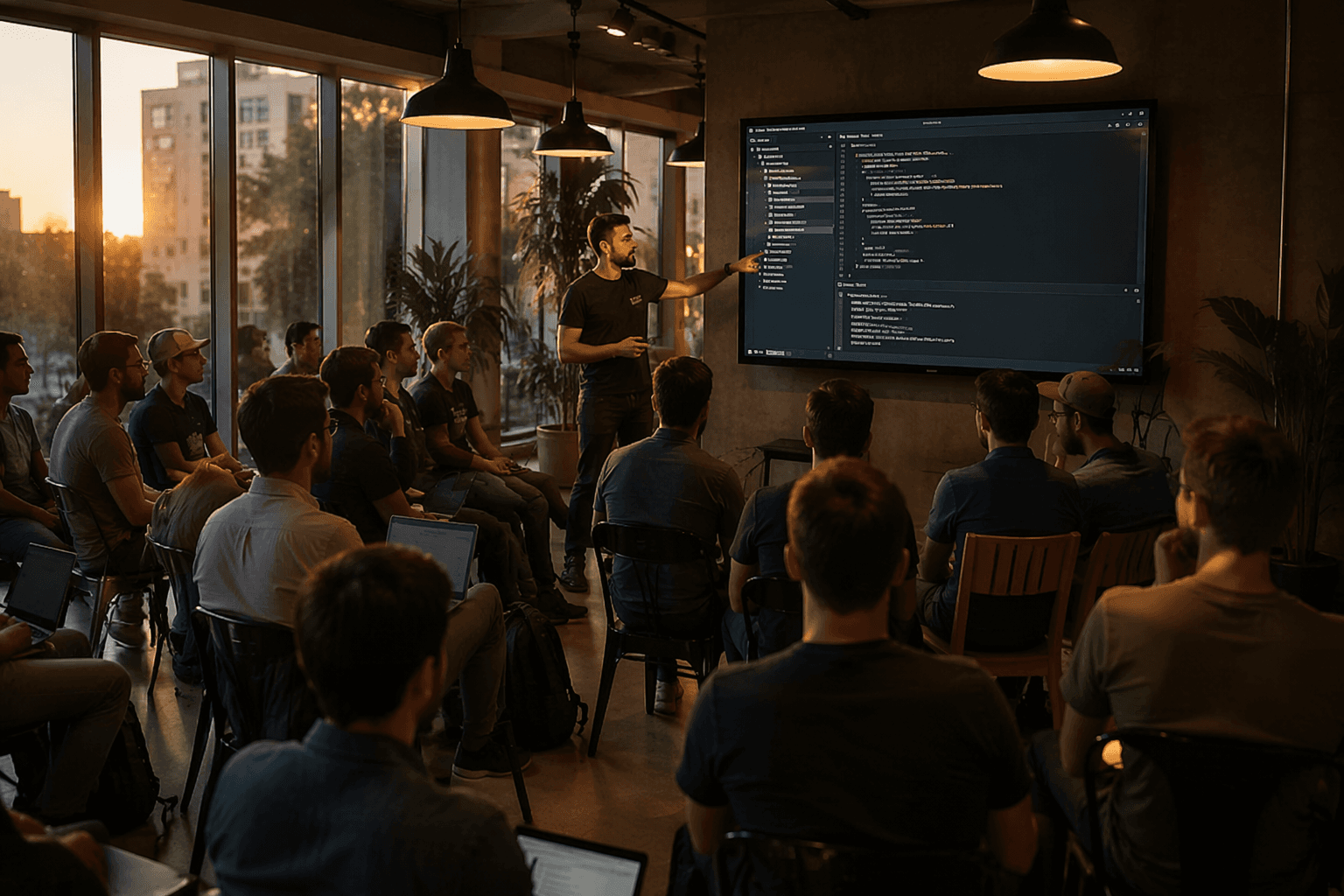
That matters because Cognition is no longer selling a single assistant. Devin Desktop now supports the Agent Client Protocol, so Codex, Claude Agent, OpenCode, and custom in-house tools can all work inside the same workflow surface. The company is positioning the app as a place to dispatch, monitor, and coordinate several agents at once, while keeping the context attached to the work rather than scattered across tabs or tools. Early reactions from design partners and customers including Ramp, Harvey, NVIDIA, and Intact Financial pushed in the same direction, describing the shared workspace as a way to manage multiple agents without losing track of what each one is doing.
The Rust angle sits in Devin Local, the successor to Cascade. Cognition says Devin Local has been completely rewritten in Rust, is intended to replace Cascade, and keeps the same capabilities and settings while becoming up to 30% more token efficient. It also adds subagents, including a Quick Review subagent for rapid feedback. Devin Docs describes Devin Local as the next-generation agent harness shared with Devin CLI, running directly on the user’s machine with access to local files, tools, and environment, and currently in preview.
That is the part Rust people will notice first. A rewrite like this is not just about a cleaner implementation language. It suggests a push for faster startup, a tighter memory footprint, fewer crash-prone edges, and clearer security boundaries around local permissions and filesystem access. When an AI desktop product puts Rust in the local execution layer, it is making a statement about where reliability now matters most.
ACP helps explain why that choice is landing now. The protocol is meant to standardize communication between editors, IDEs, and coding agents in both local and remote scenarios, and its official Rust SDK gives builders crates for clients, agents, and proxies. Devin Desktop is being positioned as an ACP host, not just a branded shell around Devin. That makes the Rust rewrite feel less like a backend cleanup and more like infrastructure for a new class of local agents.
The old Windsurf identity is gone, but the deeper shift is more interesting: Cognition is building a Rust-powered local runtime for an app that wants to become the operating layer for human-plus-agent work. That is a much bigger bet than a rename.
This article was produced by Prism’s automated news system from verified source data, official records, and press releases, then run through automated quality and moderation checks before publishing. The system is built and supervised by the people who set the standards it runs under. Read our full AI policy.
Did this article answer your question?