dbt Labs open sources Rust-based dbt Core 2.0 alpha release
dbt Labs pushed dbt Core 2.0 alpha into Rust, opening up Fusion’s engine and signaling a bigger rewrite path for mature Python data tools.
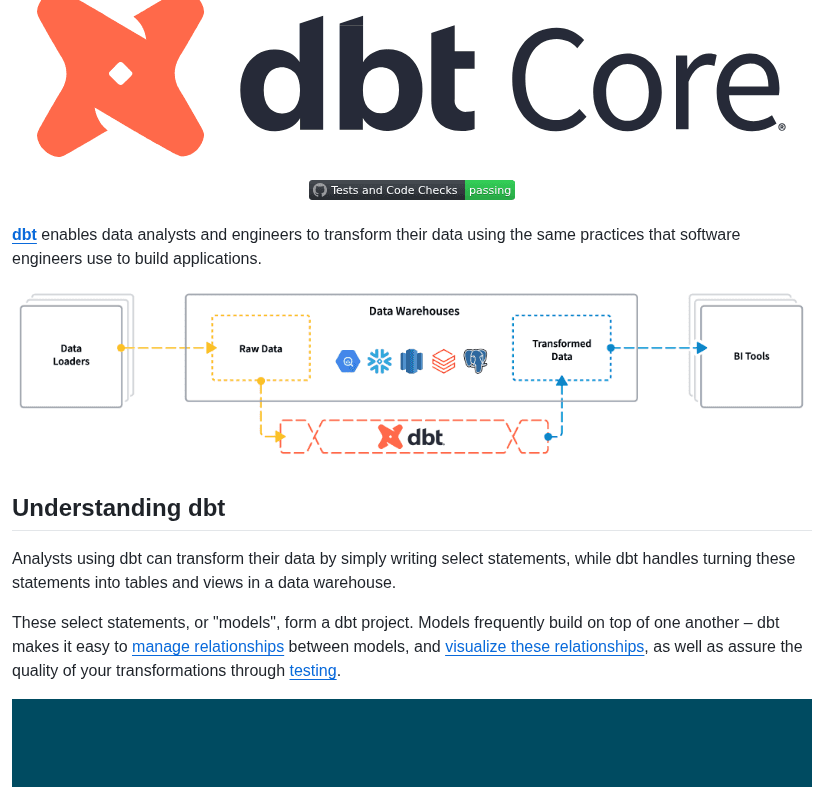
dbt Labs has moved one of the data stack’s most widely used tools onto a Rust foundation, and it did so in the open. The company published the first alpha of dbt Core 2.0 on June 1, kept it under Apache 2.0, and put the new code in the main dbt-core GitHub repository while the older Python implementation stays on the 1.latest branch.
The move matters far beyond a version bump. dbt Labs said dbt Core v2.0 now shares the same foundations as dbt Fusion, which means a substantial slice of Fusion code has been opened up for the first time. That makes the release a clean signal about where performance-sensitive developer infrastructure is heading: not just away from Python in a few hotspots, but toward a Rust runtime at the center of the product.

The new foundation comes with practical changes that map directly to everyday workflow pain. dbt Labs said v2.0 brings significant parse-time improvements, especially on large projects, plus a more tightly defined language spec that removes footguns like accidental configuration misspellings. It also introduces Parquet artifacts meant to replace bulky JSON artifacts, a revamped local documentation experience that can scale to arbitrary project sizes, a more streamlined adapter-building path through ADBC and the Arrow ecosystem, and simpler installation that no longer depends on wrestling with Python virtual environments.
That performance story is the point. dbt Labs said the ecosystem has more than 1 billion PyPI downloads and more than 100,000 weekly active projects, which makes every parse-speed gain and every startup improvement more than a nice-to-have. The company’s docs also frame v2.0 as a foundation for agentic and AI-era workflows, which suggests the Rust rewrite is meant to support not just human analysts, but the next wave of automated tooling that will sit on top of dbt projects.
The transition did not start here. dbt Core v1.12 introduced an opt-in use-v2-parser flag that delegates parsing to Fusion’s Rust parser instead of the Python parser, giving teams a path toward the new engine before the major-version shift. The June 1 launch also landed alongside Snowflake Summit 2026 in San Francisco, and on the same day dbt Labs and Fivetran said their merger was complete, sharpening the strategic stakes around how fast the platform can evolve.
For Rust watchers, dbt Core 2.0 is another marker that Rust is becoming a preferred rewrite path for mature Python-heavy tools that have outgrown their original architecture. The old engine still exists, but the center of gravity has clearly moved, and that is the part worth watching now.
This article was produced by Prism’s automated news system from verified source data, official records, and press releases, then run through automated quality and moderation checks before publishing. The system is built and supervised by the people who set the standards it runs under. Read our full AI policy.
Know something we missed? Have a correction or additional information?
Submit a Tip