Fyrox Game Engine Hits 1.0 After Seven Years of Rust Development
Seven years after its first commit, Fyrox shipped its 1.0.0 stable release — making it the first Rust game engine with a Unity-style visual editor to hit a stable milestone.
After seven years in development, the first stable Fyrox 1.0.0 has been released. For a Rust game engine that spent its entire life in pre-1.0 territory, that number carries real weight: this release is described as huge compared to the last one, 0.36.
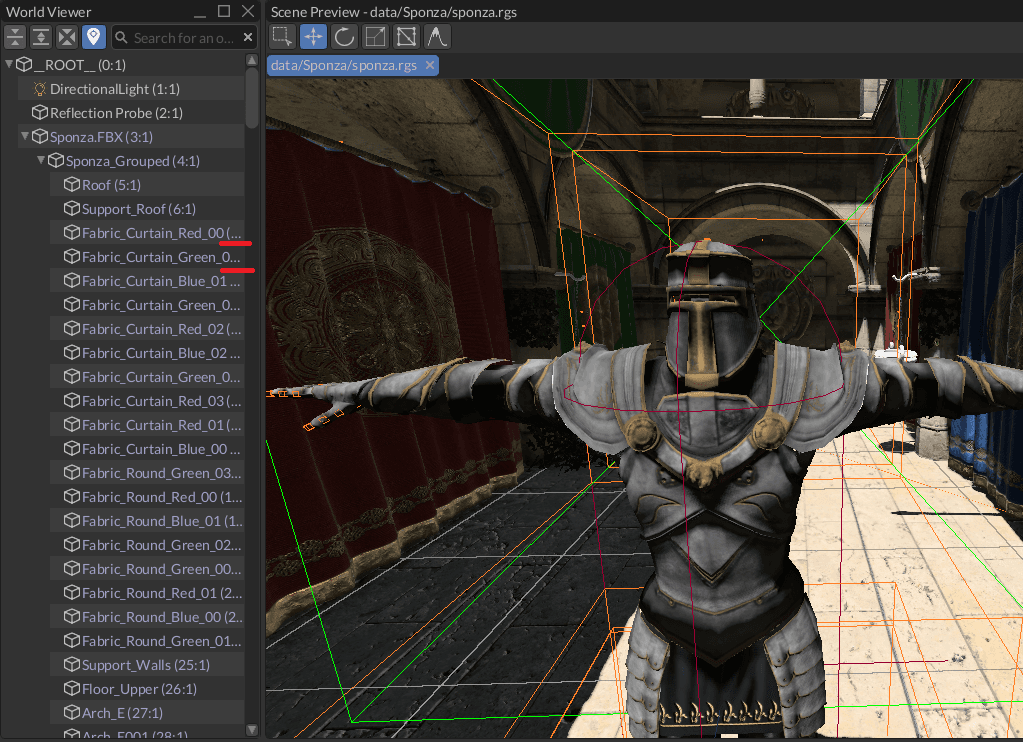
Fyrox is a modern game engine written in Rust that helps you create 2D and 3D games with low effort using a native editor — pitched by the team as Unity, but in Rust. The GitHub repository describes it as a feature-rich, production-ready, general purpose 2D/3D game engine with a scene editor, formerly known as rg3d. That name change happened years back, but it's worth flagging for anyone who remembers the engine from its earlier days hunting around crates.io.
The project had been targeting 1.0 for the 7th birthday of the engine, originally planned for March 19, 2026. The final stable build landed in late March. The release took a lot of effort, polishing, and attention to detail, but the development team is quite small with little to no funding, making it impossible to catch every bug and polish every rough part.
The road to 1.0 ran through two release candidates, both of which shipped significant changes. The physically-based rendering pipeline became fully complete in the RC phase, adding support for image-based lighting, environment mapping, and reflection probes, though global illumination remains planned for a future Fyrox 2.0. The engine also dropped its long-standing "untyped" handle system in favor of strongly typed handles for all scene and UI entities, meaning you can now store a `Handle<Camera>` directly in a script and access it without manual type casting.
On the editor side, the engine ships with FyroxEd, a native scene editor built specifically for Fyrox. FyroxEd received significant attention heading into 1.0, including asynchronous scene loading so the editor stays responsive instead of blocking while a scene loads. Platform support covers PC targets including Windows, Linux, and macOS, as well as Web via WebAssembly.

The official Fyrox book was updated for 1.0.0, with all screenshots current and nearly every chapter complete. That matters because documentation debt is one of the most common complaints lodged against ambitious open-source engine projects, and shipping a finished book alongside the stable release is a meaningful signal of intent.
The Fyrox Dev Team acknowledges the 1.0.0 release was labor-intensive and that the developers need some rest; bug fixes will continue, but new major features are on hold for a few months. One notable addition landing with 1.0 is CI/CD support: each project built via the project manager now includes an `export-cli` crate offering a command-line interface for the same export functionality available inside the editor.
For anyone still on 0.36, the migration path runs through the two release candidates, and the team recommends checking the RC release notes to get a full picture of what changed. Seven years of pre-release iteration is a long runway; 1.0 is the team's declaration that the foundation is finally stable enough to build on.
This article was produced by Prism’s automated news system from verified source data, official records, and press releases, then run through automated quality and moderation checks before publishing. The system is built and supervised by the people who set the standards it runs under. Read our full AI policy.
Did this article answer your question?