Menhera launches Cargo cooldown proxy to delay risky Rust crates
Menhera’s new Cargo proxy held back fresh crate versions for up to 30 days, giving Rust teams time to spot malware before it hit builds.
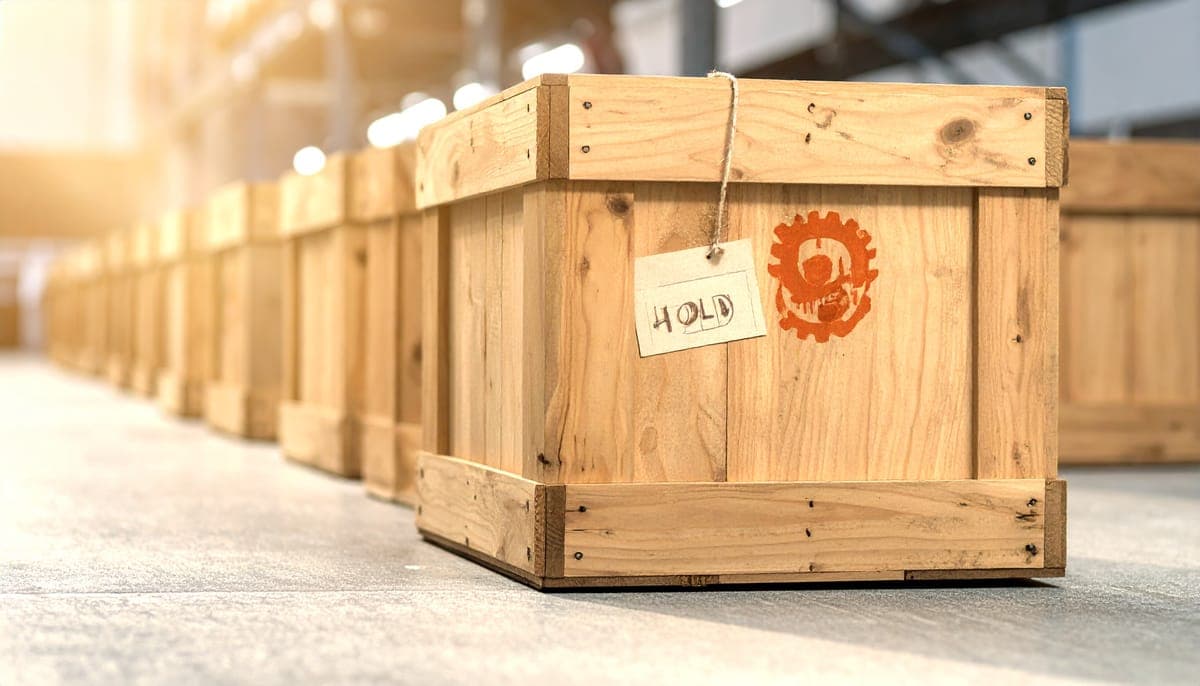
Menhera opened a new front in Rust supply-chain defense by making newly published crates wait before they reach downstream builds. The Cargo cooldown proxy, announced on April 23, 2026, is a free public sparse-index proxy that hides fresh crate versions for a configurable 1 to 30 days, using the crates.menhera.org index endpoint to delay what Cargo can see.
The pitch is blunt: add a quarantine period between publication and consumption. That gives developers, security researchers, and automated scanners time to catch a malicious release, a broken publish, or a rushed update before it lands in CI and gets baked into fresh lockfiles. The tradeoff is just as clear. You give up instant access to the newest versions, but in return you shrink the blast radius of a compromised maintainer account, a typosquat, or a release that gets yanked only after it has already started propagating.
Menhera kept adoption intentionally lightweight. Users add a small .cargo/config.toml change, no registration is required, and the service does not take custody of crates.io publish tokens. Developers keep using their normal crates.io token, which matters for teams that do not want another account layer in the middle of an already sensitive release workflow. The service also fits standard Cargo mechanics, since Cargo registries support source replacement and the sparse protocol has been the default for crates.io since Rust 1.70.0.

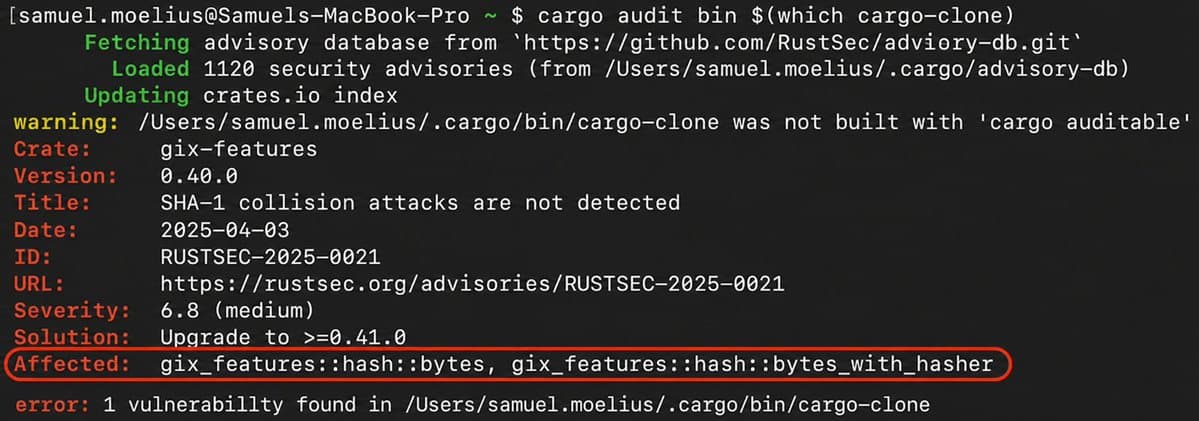
This is not meant to be a silver bullet. Menhera said the proxy only helps with crates.io packages that are newly published or quickly yanked after review. It does not stop an attacker who waits out the cooldown window, and it does not protect git dependencies or path dependencies. It also cannot retroactively protect dependencies already pinned in Cargo.lock. In practice, it works best as one more gate alongside cargo audit, cargo vet, dependency pinning, and code review.
The timing lands in a Rust ecosystem that has seen a steady stream of supply-chain warnings. The Rust project warned about a crates.io phishing campaign in September 2025, disclosed malicious crates such as faster_log, async_println, evm-units, and uniswap-utils, and the crates.io team said on February 13, 2026 that it would stop publishing a blog post for every malicious crate report while still always publishing RustSec advisories for malware removals. Rust Foundation Security Initiative staff, including a full-time Security Engineer and a security-focused Software Engineer, now work with the project’s security groups to keep pace.

That is why the cooldown proxy matters most for projects that pull in fresh releases quickly, especially CI-heavy teams and maintainers who want a safer default before a new version enters the pipeline. Menhera.org, operated by the Human-life Information Platforms Institute and incorporated on January 24, 2023, turned an old quarantine idea into a concrete Rust tool: wait a few days, and the first blast radius gets smaller.
This article was produced by Prism’s automated news system from verified source data, official records, and press releases, then run through automated quality and moderation checks before publishing. The system is built and supervised by the people who set the standards it runs under. Read our full AI policy.
Did this article answer your question?