Meta Ports React Compiler to Rust, Signaling Shift in JS Tooling
Meta's React team ported the React Compiler to Rust with AI assistance, joining a wave of JS tooling rewrites betting on Rust's performance gains.
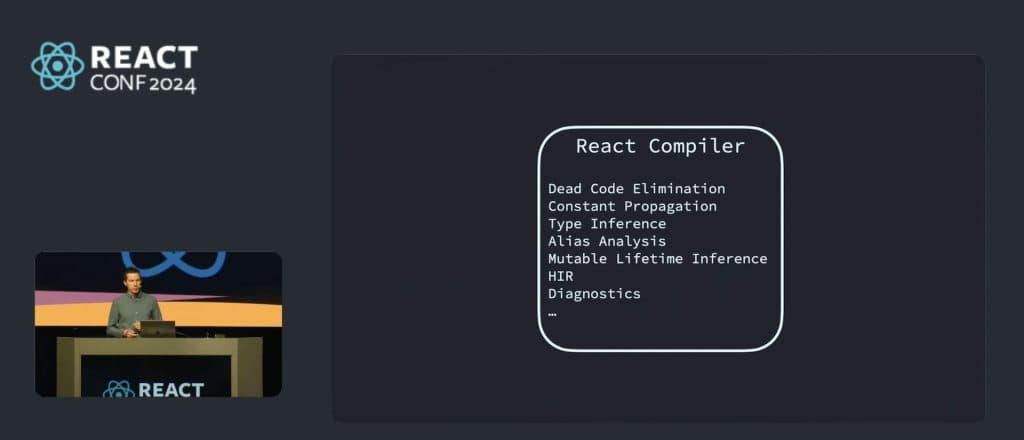
Meta's React team announced "React Compiler: Rust edition," a port of the compiler that used AI assistance to move most of its passes into Rust. The move puts Meta squarely in the middle of a growing trend where JavaScript tooling authors are abandoning their original languages in favor of Rust's performance profile and memory safety guarantees.
The port is not shipping to users yet. Meta's engineers completed the heavy lifting of translating compiler passes with AI help, but testing and performance tuning are still ahead. That sequencing matters: porting is the relatively mechanical part of this kind of rewrite, and the real validation comes when the Rust-based compiler runs against real codebases and the numbers get compared. Until that data exists, "React Compiler: Rust edition" is a promising architectural bet, not a proven win.
What makes this notable is the AI-assisted porting approach. Rewriting a compiler pass by pass is painstaking work, and the React Compiler is not a trivial piece of infrastructure. It handles the automatic memoization logic that lets React apps skip unnecessary re-renders, which means any regression in correctness is immediately visible to application developers. Using AI to accelerate the translation of those passes while keeping the team's engineering bandwidth focused on validation and optimization is a reasonable strategy, though it also means the correctness story depends heavily on how thorough that testing phase turns out to be.

The broader signal here is harder to ignore. Rust has already claimed significant ground in the JavaScript tooling space: Biome replaced Rome's TypeScript implementation, Rolldown rewrote Rollup's bundler core, and Oxc is building an entire JavaScript toolchain from scratch in Rust. Meta joining that list with the React Compiler specifically, a tool that sits at the heart of how React applications get optimized, suggests the ecosystem's center of gravity is shifting in a way that is now difficult to dismiss as a niche experiment.
For Rust developers watching the JS tooling space, this is another data point confirming that the work being done on Rust's compiler infrastructure and ecosystem tooling is attracting serious production investment from the largest players in frontend development.
This article was produced by Prism’s automated news system from verified source data, official records, and press releases, then run through automated quality and moderation checks before publishing. The system is built and supervised by the people who set the standards it runs under. Read our full AI policy.
Did this article answer your question?