Niri 26.04 Adds Wayland Blur, Moves Into GitHub Organization
Niri 26.04 finally lands the blur effect Wayland users have wanted most, while its move into a GitHub org signals a Rust desktop project growing up fast.

Blur is the headline feature in Niri 26.04, and it lands with the kind of instant visual payoff that desktop users notice the moment a window opens. Released on April 25, 2026, the compositor now supports background blur through the ext-background-effect Wayland protocol, which the project calls its most requested feature and its highest-upvoted GitHub issue.
The release is also a sign that Niri is becoming easier to run as a project, not just a compositor. Niri has moved out of YaLTeR’s personal GitHub account and into the niri-wm organization, a shift that matters because it makes issue triage and pull-request handling more scalable. The release notes thank Sempyos for helping sort reports and answer questions, and packagers now have a new baseline to work from, with the minimum supported Rust version raised to 1.85.
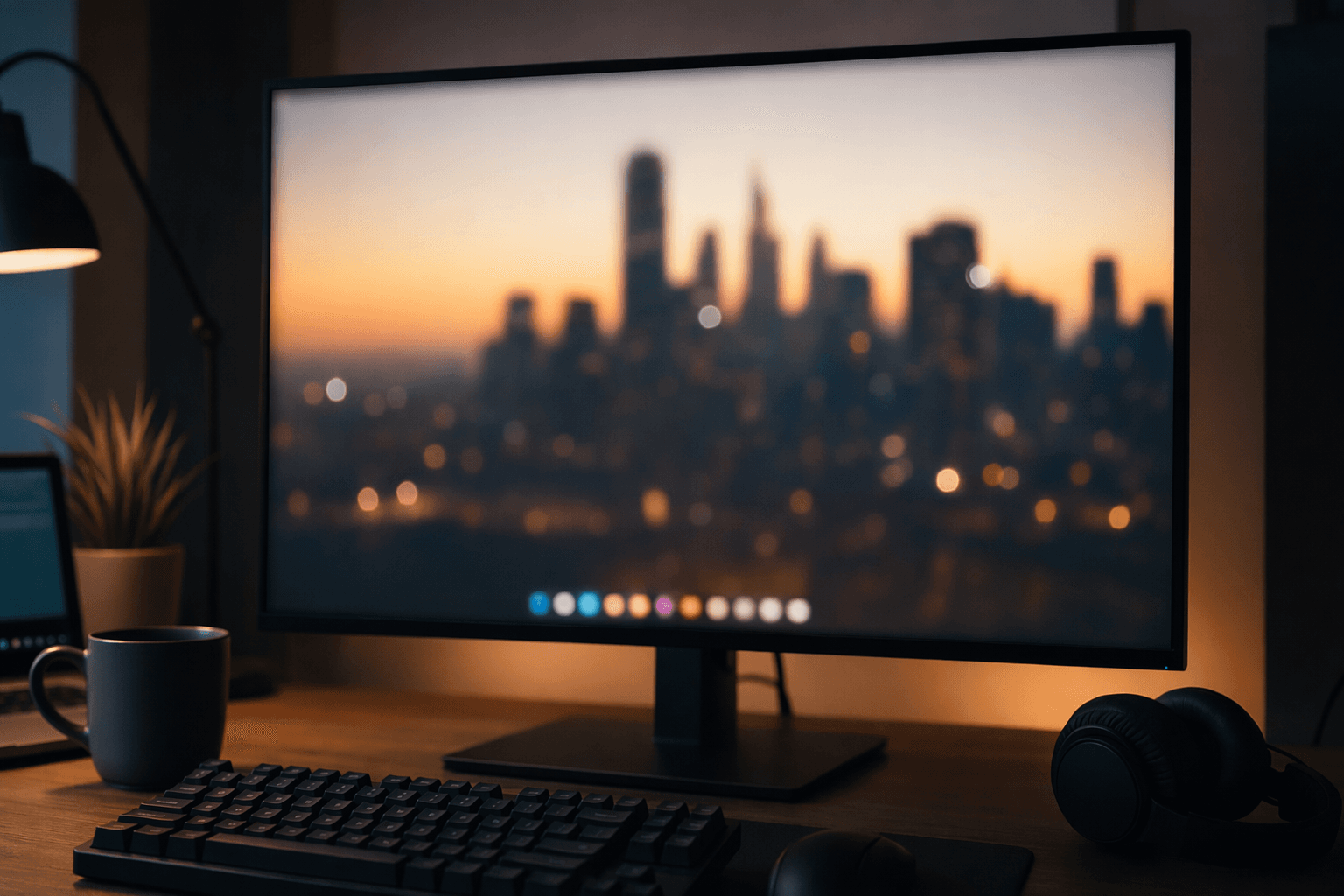
The blur implementation is not just a cosmetic checkbox. Niri defaults to xray blur because it can blur the wallpaper once and reuse that result as a static image until the background changes, which makes the effect much cheaper than recomputing blur every time content moves. The niri wiki says window effects since 26.04 include blur, xray, saturation, and noise, and that ext-background-effect support currently applies to toplevels, layer surfaces, and pop-ups. That puts most of the visible desktop within reach, from app windows to shell surfaces.
The broader Wayland ecosystem makes the release feel bigger than a single compositor update. The Niri notes point to early adopters and adjacent projects already lining up for the protocol, including Dank Material Shell, Noctalia shell, Vicinae launcher, foot, kitty, Ghostty, Quickshell, and winit. Wayland Explorer documents ext-background-effect-v1 as a surface background-effects protocol, and a February 5, 2026 Linux Mint Wayland issue said KDE had already merged support for Plasma 6.7 while COSMIC was working on it too. Niri is not inventing blur in isolation; it is joining a standard that is starting to spread.
Beyond blur, the release adds better screencasting, including window-capture cursor metadata for cleaner overlays in tools like OBS, plus an IPC indicator for desktop bars, a force-stop cast command, Escape-to-cancel drag-and-drop, optional configuration includes, and a round of input, rendering, and GPU-profiling refinements. Taken together, Niri 26.04 shows a Rust-based compositor moving from promising to polished, with protocol support, performance choices, and project governance all maturing at once.
This article was produced by Prism’s automated news system from verified source data, official records, and press releases, then run through automated quality and moderation checks before publishing. The system is built and supervised by the people who set the standards it runs under. Read our full AI policy.
Did this article answer your question?