NVIDIA Nova driver drives Rust DRM progress in Linux 7.2 development
Nova has become Rust-for-Linux’s proving ground in graphics, as Linux 7.2 work adds lifetime handling and GPUVM plumbing while NVIDIA’s driver grows more capable.
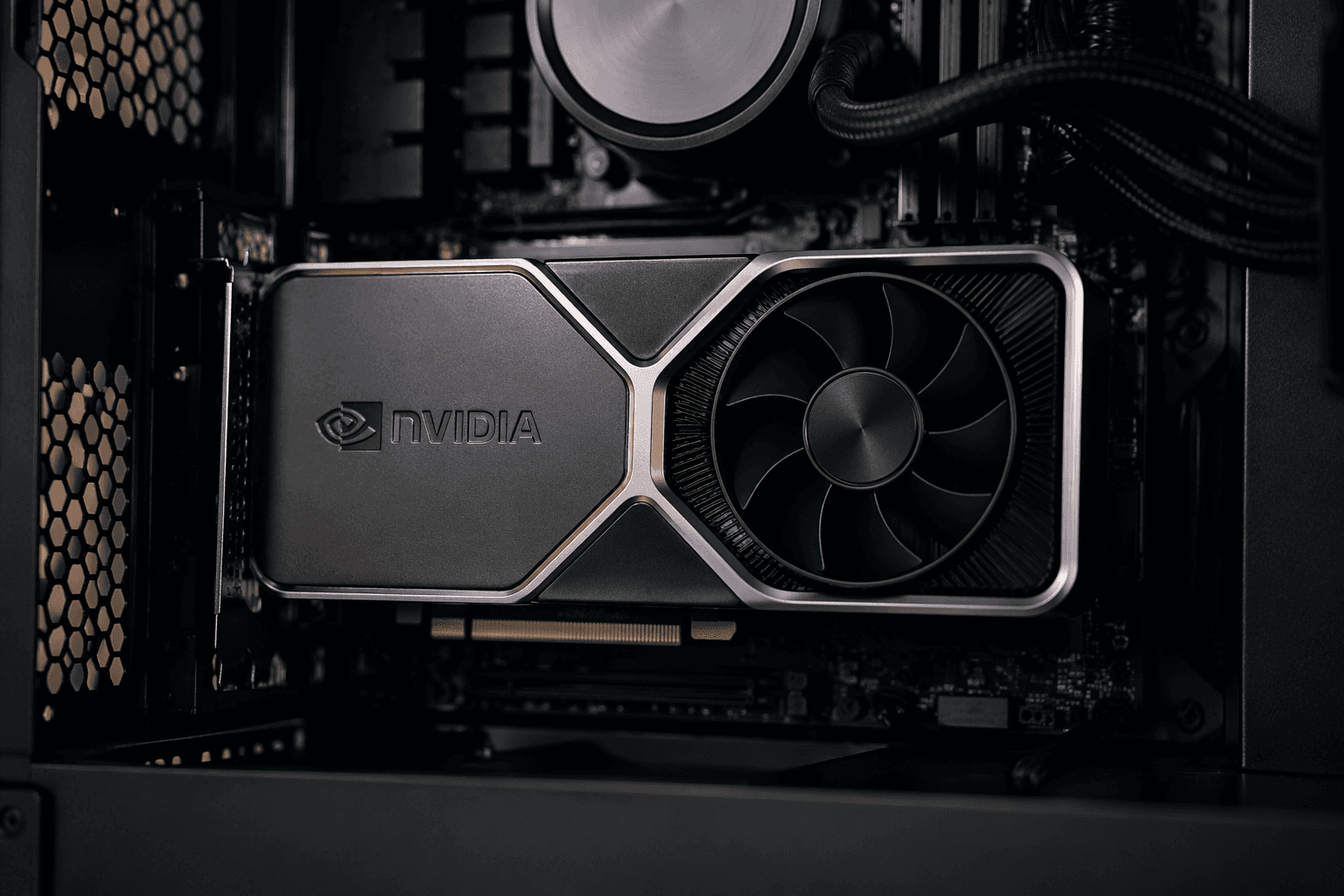
Nova is turning into the place where Rust stops looking like an experiment inside the Linux graphics stack and starts looking like a serious maintenance strategy. The latest DRM Rust pull request for Linux 7.2 added higher-ranked lifetime types for Rust device drivers and a GPUVM immediate-mode abstraction, while the NVIDIA Nova effort kept absorbing the bulk of the driver-side work that will eventually have to hold up under real hardware pressure.
That matters because Nova is not a toy branch. The kernel documentation says the project is split into nova-core and nova-drm, with the goal of superseding Nouveau on NVIDIA GPUs based on the GPU System Processor, and it says Nova code is written in Rust unless there is a technical reason not to, with unsafe Rust avoided when possible. In other words, Rust is not being bolted onto the edge of the subsystem. It is being asked to carry the design from the ground up, and the newest DRM Rust patches show the infrastructure still being shaped to fit that promise.

On the Nova side, the work list is already dense enough to look like a map of the hard parts of modern GPU bring-up. Danilo Krummrich’s latest round included Hopper and Blackwell enablement, broader GPU System Processor integration, GA100 Ampere accelerator support, vBIOS hardening, architecture-based HAL selection, the FSP boot path, FSP falcon engine support, EMEM operations, MCTP and NVDM messaging infrastructure, chain-of-trust boot mechanics, support for 32-bit firmware images, and stronger driver unload behavior. The hardening work is especially telling: checked arithmetic, bounds-checked accesses, and FromBytes-based structure reads all point to code paths where a small mistake would be expensive, security-sensitive, and maddening to debug.
The project’s shape also explains why so much of the effort is happening before the driver feels “done.” Nova was announced in March 2024 as a Rust-based, GSP-only successor to Nouveau, and the initial nova-core stub was upstreamed as skeleton infrastructure before the driver became functional. Nova core entered the mainline kernel in Linux 6.15, later required 64-bit kernels in the Linux 6.17 cycle, and remained limited to Turing, or RTX 20, and newer GPUs because of its dependence on NVIDIA’s GSP. NVIDIA engineer Alexandre Courbot later joined Krummrich as co-maintainer, and John Hubbard called the nova-core work “nicely readable,” a small but revealing sign that other kernel developers are already treating the code as a model rather than a curiosity.
That is why the Linux 7.2 Rust patches feel bigger than one driver update. Nova is becoming the kernel’s test case for whether Rust can earn trust in a vendor-facing subsystem where the abstractions have to be explicit, the firmware paths have to be hardened, and the cost of bugs is measured in black screens and broken boot chains. If this pace holds, Rust in Linux graphics will not be remembered as an add-on. It will be remembered as the moment the subsystem learned to build around it.
This article was produced by Prism’s automated news system from verified source data, official records, and press releases, then run through automated quality and moderation checks before publishing. The system is built and supervised by the people who set the standards it runs under. Read our full AI policy.
Did this article answer your question?