ordinary 0.7.0 adds built-in reverse proxies and Markdown docs
ordinary 0.7.0 folds reverse proxies and Markdown config docs into the stable release, trimming two of the messier steps in a Rust deployment stack.
ordinary 0.7.0 landed with two changes that speak directly to anyone stitching together a Rust service stack: built-in reverse proxies and configuration documentation generated as Markdown. The June 11 release for ordinary and ordinaryd also pointed users to release notes, binaries, a quick-start guide, and an example for trying the proxying path directly. It reads less like a small bump than a move to make the first working deployment feel less improvised.
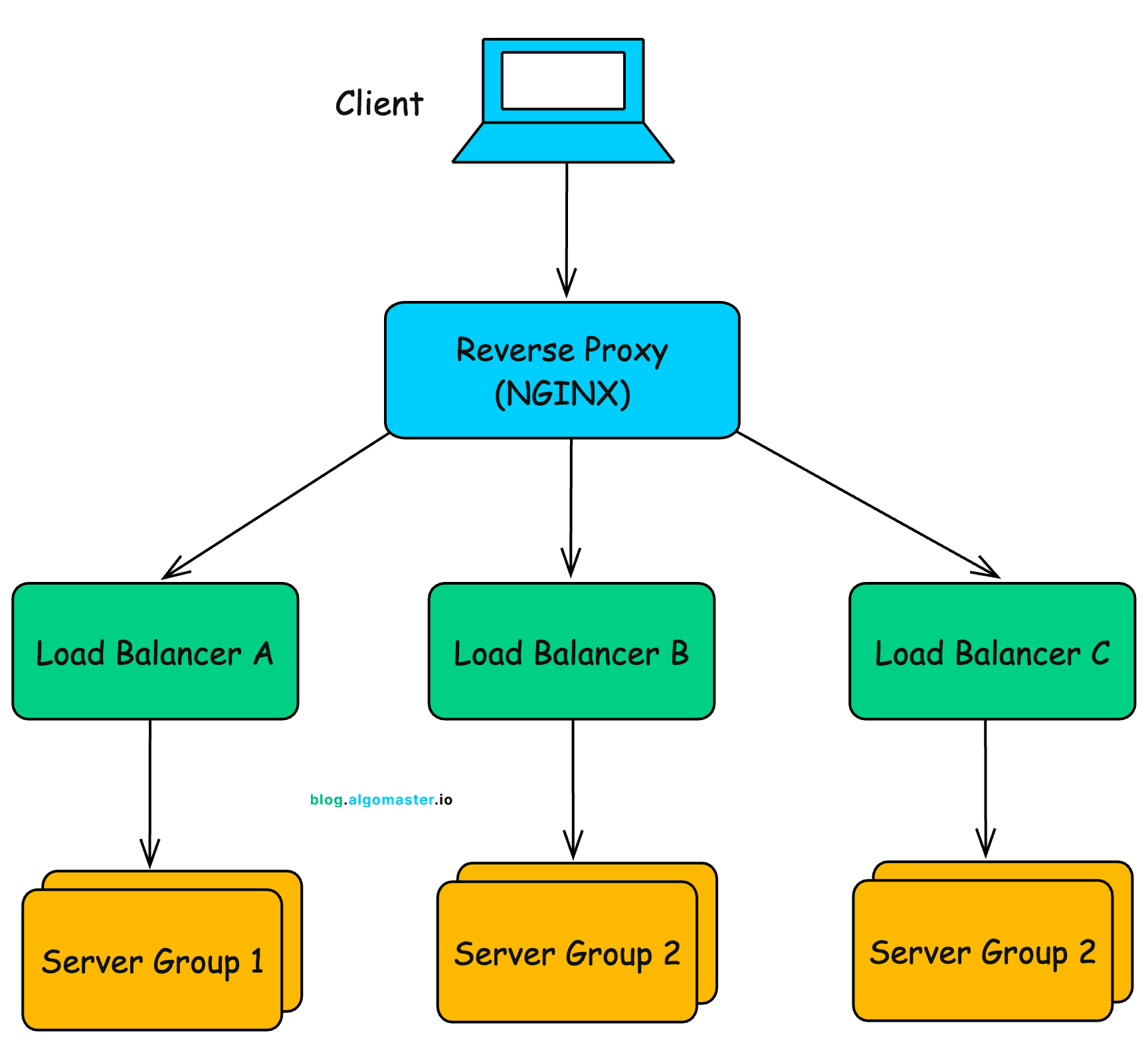
Reverse proxies sit at the center of a lot of multi-service setups, and ordinary now brings that layer into the stable release itself instead of leaving it to separate tooling. That matters because the proxy is usually where the routing decisions happen, whether the request should go by host or by path, and where the operational chores often gather too, from TLS termination to logging and compression. By absorbing that role, ordinary is pushing toward a more integrated deployment story, one in which the service does more of the glue work itself.

The Markdown-generated configuration docs are easier to dismiss, but they tackle a different kind of friction. Self-hosting projects often stall not on runtime behavior but on the paperwork around it: configuration that is hard to inspect, hard to explain, and easy to let drift from the code. Generated Markdown turns that into something a human can read, search, and keep close to the actual project state. For a Rust service, that can make the jump from “I built it” to “I can still operate it next month” feel much shorter.
Taken together, the two additions answer the same practical question from different angles. Built-in proxies reduce the number of moving parts at the edge, and generated docs reduce the number of mysteries in the middle. That does not erase every decision a hobbyist self-hoster still has to make, but it does take aim at two of the commonest sources of setup friction: assembling the routing layer by hand and keeping configuration knowledge scattered outside the project itself.
For ordinary, that is the real story of 0.7.0. The release does not just add features; it packages two of the chores that usually live just outside a Rust service, and brings them closer to the moment when a deploy first starts to feel like something solid.
This article was produced by Prism’s automated news system from verified source data, official records, and press releases, then run through automated quality and moderation checks before publishing. The system is built and supervised by the people who set the standards it runs under. Read our full AI policy.
Did this article answer your question?