rkyber brings pure Rust post-quantum key encapsulation to developers
rkyber adds a pure Rust FIPS 203 Kyber implementation, giving developers a standard post-quantum KEM they can adopt without non-Rust code.
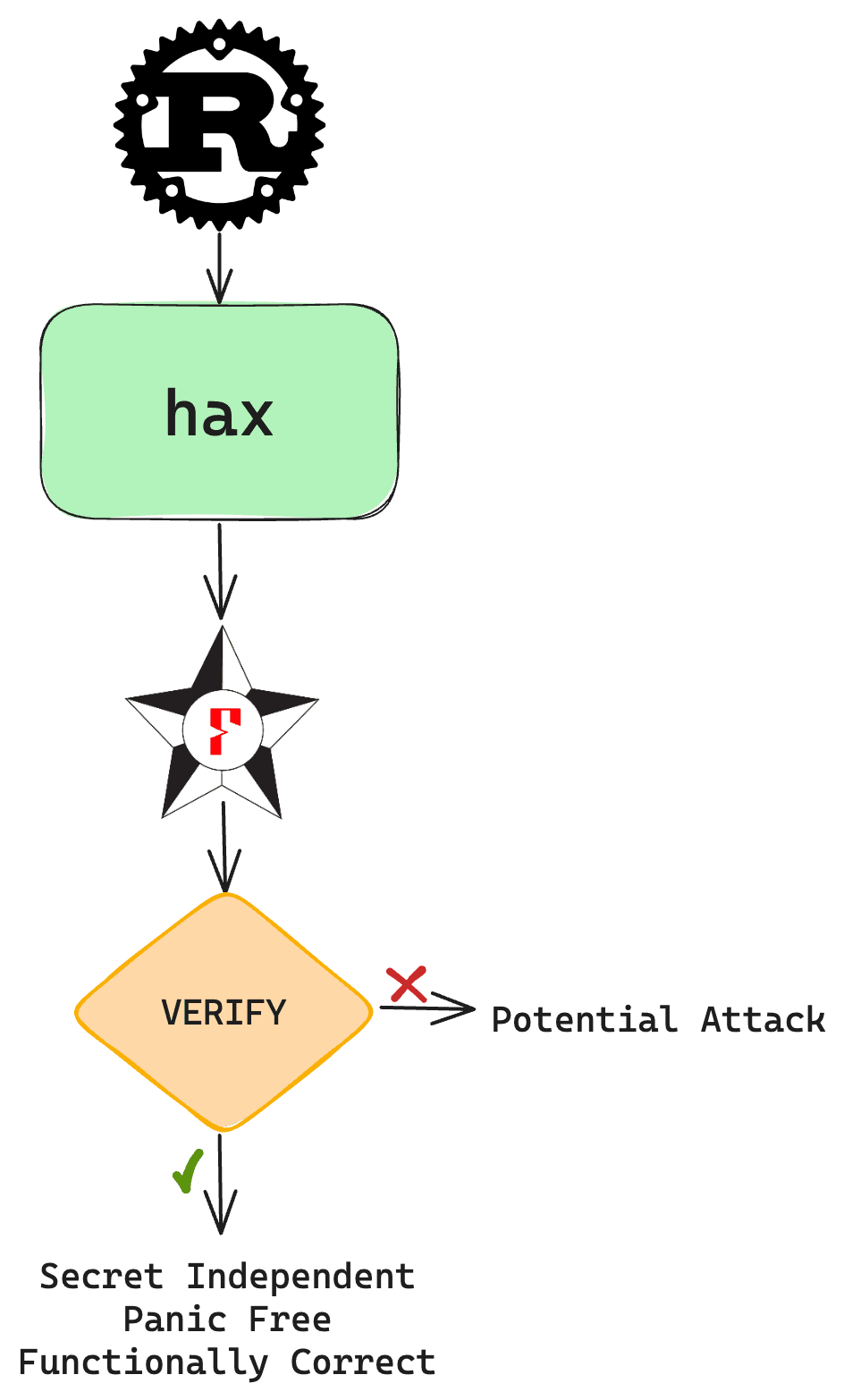
rkyber landed as a new pure Rust option for post-quantum key encapsulation, and its June 23 announcement mattered less as a cryptography debut than as a packaging choice. The crate implements FIPS 203, also known as ML-KEM, and Kyber, the predecessor algorithm the standard was derived from.
That matters because the project gives Rust developers another standardized KEM they can drop into security-sensitive code without bringing in non-Rust components. For teams weighing post-quantum readiness, the appeal is practical: a Rust-native implementation is easier to audit, fits the language’s portability story, and keeps dependency chains simpler in codebases that already treat supply-chain surface area as a design constraint.

The announcement framed the release as “late to the party,” but the timing still fits a live migration effort across the industry. Post-quantum cryptography has moved from a speculative topic to an active planning item, and rkyber arrives as that planning turns into library selection, protocol work, and gradual replacement of older key exchange assumptions. In that context, the fact that this is an implementation of a standard, not just a research demo, is the key detail. It signals that rkyber is aimed at real integration work rather than a one-off experiment.
The licensing also lowers the friction for adoption. rkyber is published under Apache-2.0 or MIT, which makes it straightforward to use in both open-source and commercial Rust projects. That dual licensing is especially relevant for developers who want to prototype post-quantum support in a hobby project now and keep the same crate in a production codebase later without changing the legal terms around it.
For Rust hobbyists, the immediate value is clear: post-quantum experimentation no longer has to mean reaching outside the ecosystem for the core primitive. rkyber adds a memory-safe, auditable, Rust-first building block to the crypto stack, and it does so around a standardized KEM that is meant to sit underneath key exchange in a post-quantum future.
This article was produced by Prism’s automated news system from verified source data, official records, and press releases, then run through automated quality and moderation checks before publishing. The system is built and supervised by the people who set the standards it runs under. Read our full AI policy.
Did this article answer your question?