RLib aims to cut Rust recompiles with shared precompiled crates
RLib targets the rebuild loop Rust devs know too well: precompile shared crates once, then reuse them across local workspaces.
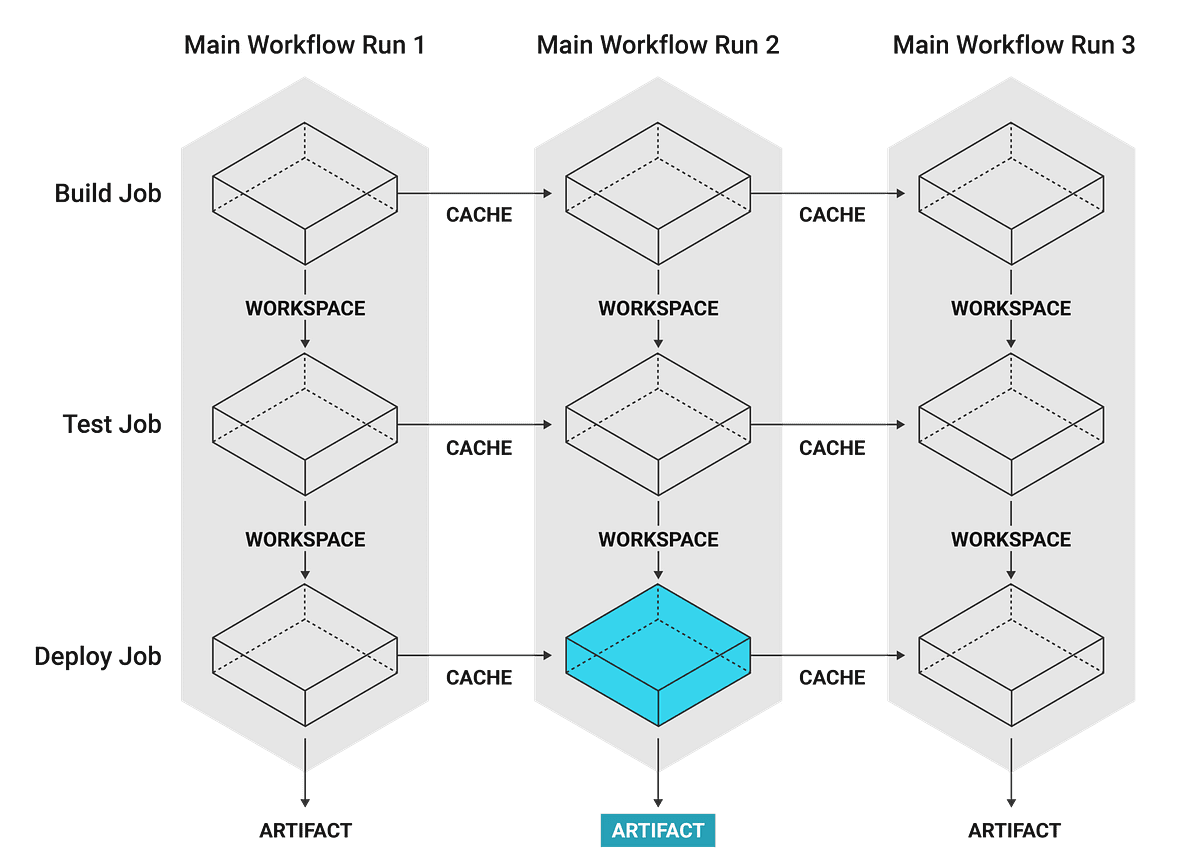
Rebuilding the same dependency graph over and over is the kind of Rust frustration that never stays theoretical for long. Jakub Beránek’s RLib surfaced on the Rust Programming Language Forum on May 26, 2026 with a direct pitch: precompile commonly used crates such as tokio and serde, then share those artifacts dynamically across local workspaces so developers do not keep paying for the same compile twice.
Beránek described RLib as a lightweight, zero-overhead development helper, not a finished standard workflow. That framing matters because the project is aimed at the daily pain points Rust teams know well: creating a fresh crate, running cargo clean, or spinning up another small service inside a monorepo only to watch the same dependency tree rebuild again. The practical appeal is obvious for teams that juggle throwaway services, local integration environments, or several closely related crates that all lean on heavy shared libraries.

The idea also lands in familiar Cargo territory. Cargo workspaces already share a single Cargo.lock file and, by default, a common target directory at the workspace root. Cargo’s build-cache documentation also points to sccache, configured through RUSTC_WRAPPER, as a way to share built dependencies across different workspaces. RLib is trying to move further up the stack, from general build caching toward a more visible but supposedly invisible-feeling layer for reusing precompiled crates.
That promise comes with the question that will decide whether anyone adopts it: how cleanly can shared artifacts stay coherent across different workspaces, features, and local build settings? A tool that makes reuse seamless is one thing; a tool that quietly drifts out of sync is another. RLib’s whole pitch depends on avoiding the brittle orchestration that often turns productivity tools into another thing to babysit.
The timing fits a larger Rust conversation that has been building for years. The Rust Project launched a compiler performance survey on June 16, 2025 because long compile times were being cited as one of the biggest productivity blockers. In the results released on September 10, 2025, the Compiler Performance Working Group said several people wanted more official guidance on ways to improve compile times. The project also pushed nightly-only hint-mostly-unused testing on July 15, 2025 to skip code generation for unused dependency items, and it announced faster parallel front-end compilation in rustc on November 9, 2023 with -Z threads=8 on nightly.
RLib drew early attention, too. The hot-topics listing on the forum showed 8 replies and 237 views when it appeared, a small but telling signal that Rust developers are still hungry for anything that cuts recompiles without asking them to change how they build.
This article was produced by Prism’s automated news system from verified source data, official records, and press releases, then run through automated quality and moderation checks before publishing. The system is built and supervised by the people who set the standards it runs under. Read our full AI policy.
Did this article answer your question?