rust-analyzer flags complex Rust traits while rustc compiles cleanly
rustc 1.96 compiled the code, but rust-analyzer still threw a red squiggle on deeply nested Tower traits. The fix appeared only after a newer nightly and rust-analyzer build.
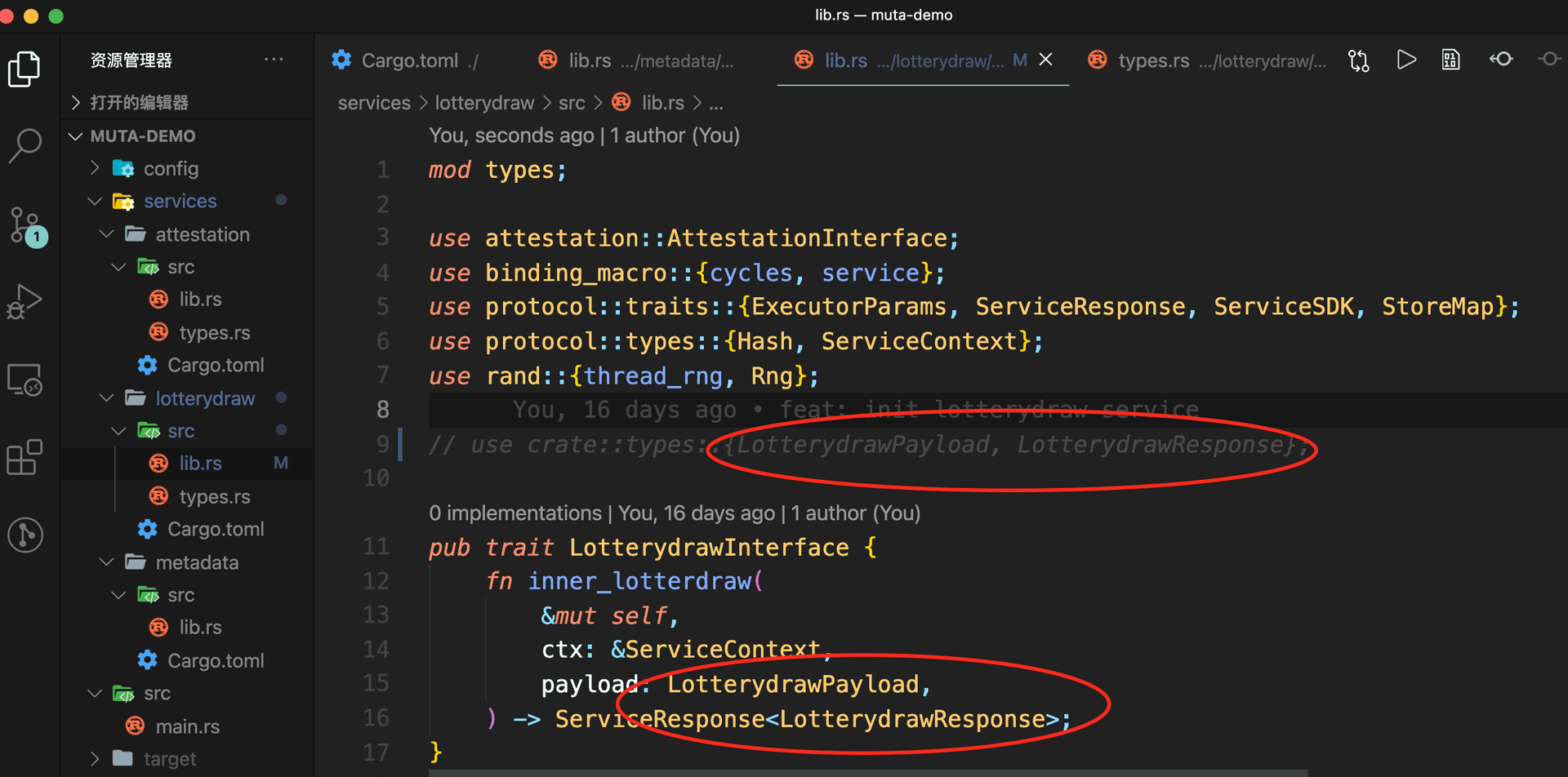
A July 6 Rust forum thread put a familiar tooling bruise back in the open: code that rustc 1.96 accepted cleanly still lit up rust-analyzer with a red squiggle. The report came from a Tower-based service inside an extensible microservices framework, where deeply nested trait bounds produced a return-type mismatch in the editor even though batch compilation succeeded.
The poster framed the problem as a language-server limitation, not a logic bug in the program, and asked whether the trait could be rewritten to keep the editor satisfied. That distinction matters in Rust, where Tower-style abstractions are powerful enough to shape whole service stacks, but the same type-level machinery can push IDE analysis harder than a compiler pass.

Two likely culprits surfaced quickly. One line of discussion pointed to the next-generation trait solver already used by rust-analyzer, which means the behavior may have been tied to active solver work rather than a stale parser issue. Another pointed to recursion depth: Rust’s reference says the `recursion_limit` attribute controls the maximum depth of potentially recursive compile-time operations such as macro expansion and auto-dereference, and rustc’s default recursion limit is 128. rust-analyzer’s own troubleshooting guide advises updating if the installed version is more than a week old, and it recommends `analysis-stats` when you want to type-check a whole project in batch mode while bypassing LSP machinery.
This was not the first time recursion ceilings had tripped rust-analyzer. In 2021, maintainers discussed issue #8640 after users noted that crate-level `#![recursion_limit = "1024"]` was not being respected and that the limit appeared to be hardcoded. More recently, steering issue #18479 laid out the project’s direction more bluntly: Chalk is no longer developed, and the next trait solver is meant to replace both rustc’s old solver and Chalk inside rust-analyzer. A maintainer also noted that even sharing the same solver as rustc would not eliminate every mismatch, because rust-analyzer still performs extra work such as coercions and normalization outside the solver itself.
The July 6 report ended on a useful clue for anyone staring at a false diagnostic late in the day. The poster later said the problem disappeared on a newer nightly and a newer standalone rust-analyzer build, which fits the tool’s weekly release cadence and the release page’s July 6, 2026 nightly build. For Rust developers shipping Tower-heavy service code, the line between a real type error and a diagnostics bug still runs through the version of the editor, not just the version of the compiler.
This article was produced by Prism’s automated news system from verified source data, official records, and press releases, then run through automated quality and moderation checks before publishing. The system is built and supervised by the people who set the standards it runs under. Read our full AI policy.
Did this article answer your question?