Rust Foundation launches Commercial Network for production Rust users
Rust’s new commercial network gives production teams a monthly forum, an open Zulip, and a direct line back to maintainers.
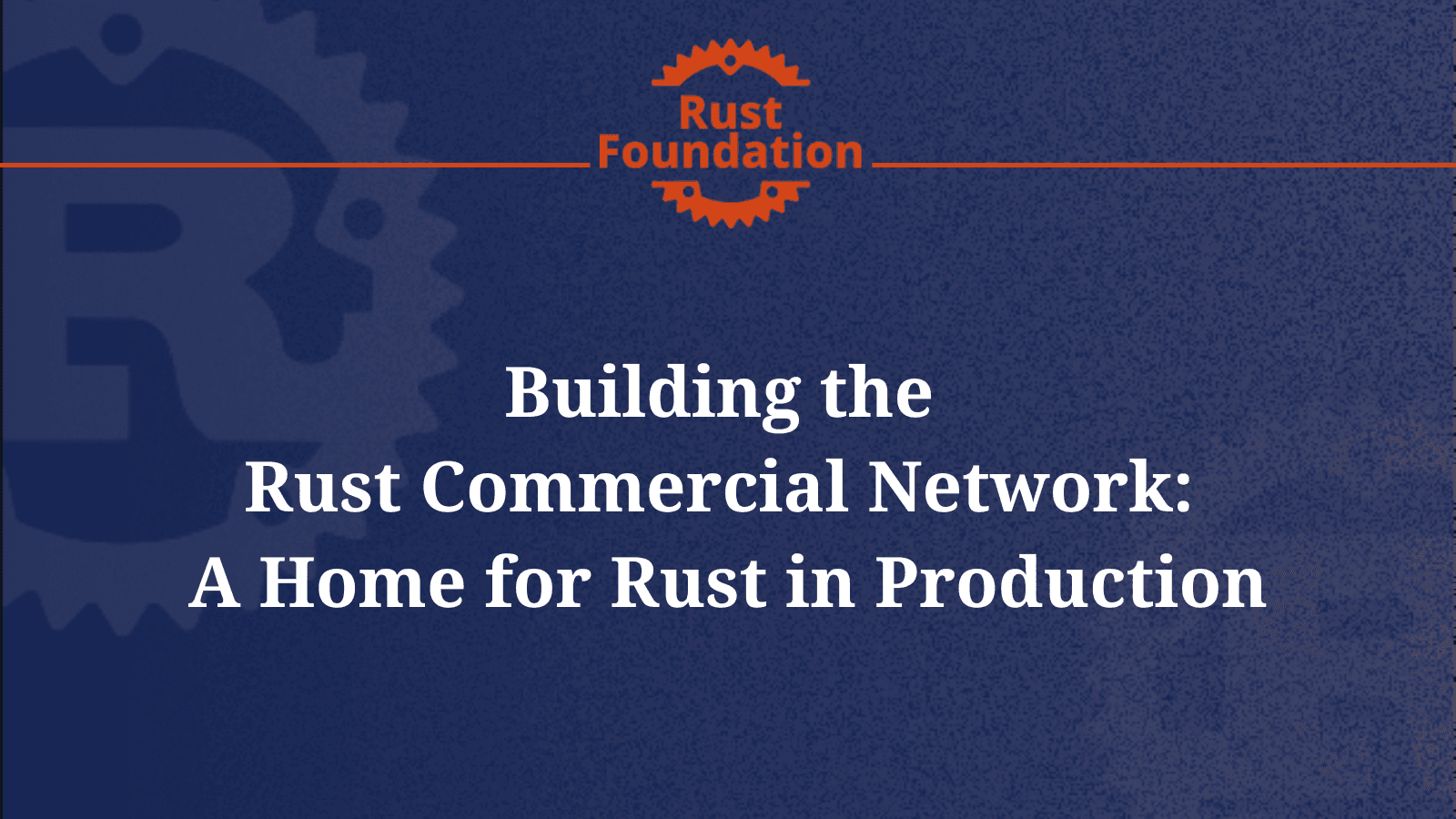
The Rust Foundation launched the Rust Commercial Network, a free community for companies, academic institutions, organizations and individual practitioners already using Rust in production or evaluating it for serious infrastructure work. The new group is built to give people shipping Rust a place to compare notes on adoption, maintenance and the practical realities of running the language in real products, while feeding those lessons back into the Rust Project.
The network meets monthly and uses an open Zulip channel for the work that happens between meetings. It follows the Chatham House Rule, and recordings and transcriptions are not permitted. The Foundation says that setup gives organizations depending on Rust in production a direct line to the people building the language, while giving the project a clearer view of the industrial problems commercial users are trying to solve.

That need has become hard to miss. The Rust blog’s 2025 State of Rust survey ran from November 17 to December 17, 2025 and drew 7,156 responses, and the results showed that about half of responding organizations were using Rust in production. Rust is no longer just a language for early adopters testing the edges of a new ecosystem. It is already embedded in operating systems, cloud platforms, automotive systems and public infrastructure, which makes a formal channel for production users feel less like a nice extra and more like missing infrastructure.
The launch came with an inaugural Steering Committee and founding members already in place. The published member list includes The Rust Foundation, Tock Foundation, Tweede Golf, Woven by Toyota and WyeWorks among the early backers. The network’s stated remit goes beyond introductions and discussion: it is meant to surface adoption blockers, improve supply-chain health and support the tooling, libraries and maintenance work that production Rust depends on.
The timing also fits the Foundation’s 2026-2028 strategic plan, which runs from January 2026 through December 2028 and centers Stable Infrastructure, Sustainable Maintenance, Adoption & Innovation, Maintaining Membership and Empowering the Community. For teams already shipping Rust, the real test is whether this network can turn scattered production experience into better defaults, clearer patterns and a shorter path from first serious deployment to long-term maintenance.
This article was produced by Prism’s automated news system from verified source data, official records, and press releases, then run through automated quality and moderation checks before publishing. The system is built and supervised by the people who set the standards it runs under. Read our full AI policy.
Did this article answer your question?