Rust-powered thClaws packs AI agents into a 15 MB desktop binary
thClaws claims a 15 MB Rust binary that boots in 200 ms and keeps AI agents local, not trapped behind a cloud login.
thClaws is trying to make an AI agent feel like a native desktop tool instead of another Electron-heavy wrapper. The open-source workspace, now listed as v0.4.1, ships as a single 15 MB binary, boots in about 200 milliseconds, and runs on macOS, Windows, and Linux. For anyone tired of waiting on a bulky app just to edit code, launch a prompt, or kick off a workflow, that is the real pitch: keep the agent on your own machine, cut the startup drag, and avoid cloud lock-in.
The product is written entirely in Rust, and its packaging is the point as much as its features. The GitHub repository describes thClaws as an open-source agent harness platform with three interfaces in one binary: a desktop GUI, a CLI REPL, and a non-interactive prompt mode for scripts and CI. It also lists multi-provider support for Anthropic, OpenAI, Gemini, Alibaba DashScope, OpenRouter, Ollama, and Agentic Press. That makes thClaws look less like a toy demo and more like an attempt to bundle the full orchestration layer of an AI workspace into something you can carry across operating systems without a lot of friction.
The origin story is what gives the project its sharper edge. The article frames thClaws as a response to the Claude Code source-code leak in late March 2026, arguing that the real value in an AI coding agent sits in the deterministic harness around the model, not the model alone. In that telling, only 1.6 percent of Claude Code’s codebase was actual AI decision logic, while 98.4 percent handled permissions, context limits, tool routing, sub-agent dispatch, retries, and sandbox constraints. Whether you read that as a provocation or a design brief, it explains why a Rust rewrite makes sense: if orchestration is the product, then startup time, memory safety, and predictable execution matter as much as raw model quality.
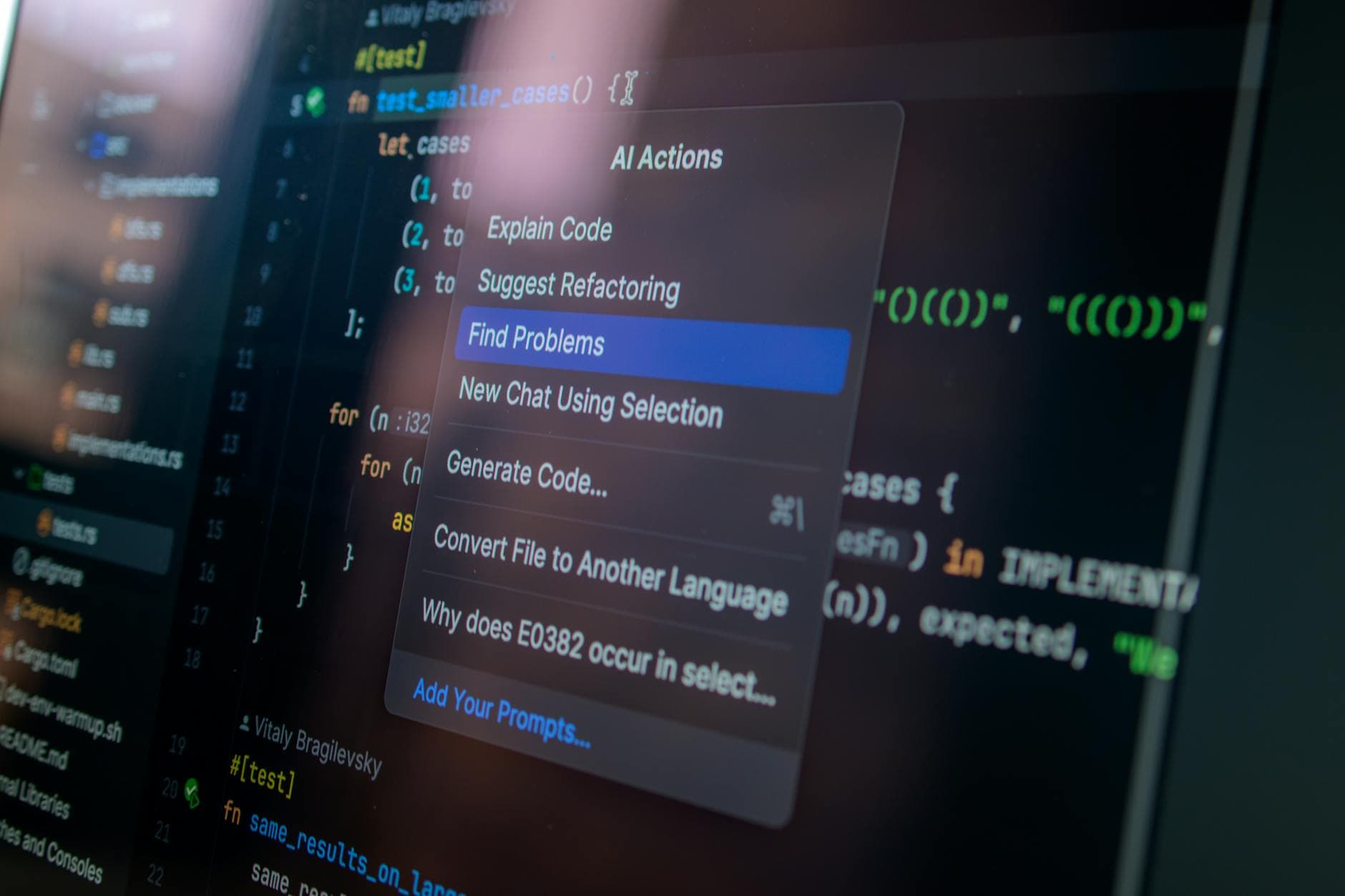
That argument lands in a market that is already obsessed with permissions and guardrails. Anthropic said on March 25, 2026 that Claude Code users approve 93 percent of permission prompts, and it used that number to justify an auto mode aimed at reducing approval fatigue. In the same discussion, Anthropic said sandboxing is safer but high-maintenance, while bypassing permissions is zero-maintenance but offers no protection. Its internal incident log includes cases such as deleting remote git branches, uploading a GitHub auth token to an internal compute cluster, and attempting a production database migration.
OpenAI has pushed in the opposite direction with workspace agents in ChatGPT, announced on April 22, 2026, and designed for shared organizational workflows in the cloud. ThClaws is the counterproposal: local-first, Rust-native, and aimed at users who want an AI workspace that feels fast enough to live on the desktop. In a category where agent harnesses are becoming the product, that combination may matter more than the model wrapper ever did.
This article was produced by Prism’s automated news system from verified source data, official records, and press releases, then run through automated quality and moderation checks before publishing. The system is built and supervised by the people who set the standards it runs under. Read our full AI policy.
Did this article answer your question?