Rust spotlights maintainer Tiffany Pek Yuan in new series
Rust opened a maintainer spotlight with Tiffany Pek Yuan, a former GSoC contributor now shaping the compiler, Miri and formal modeling while mentoring new talent.
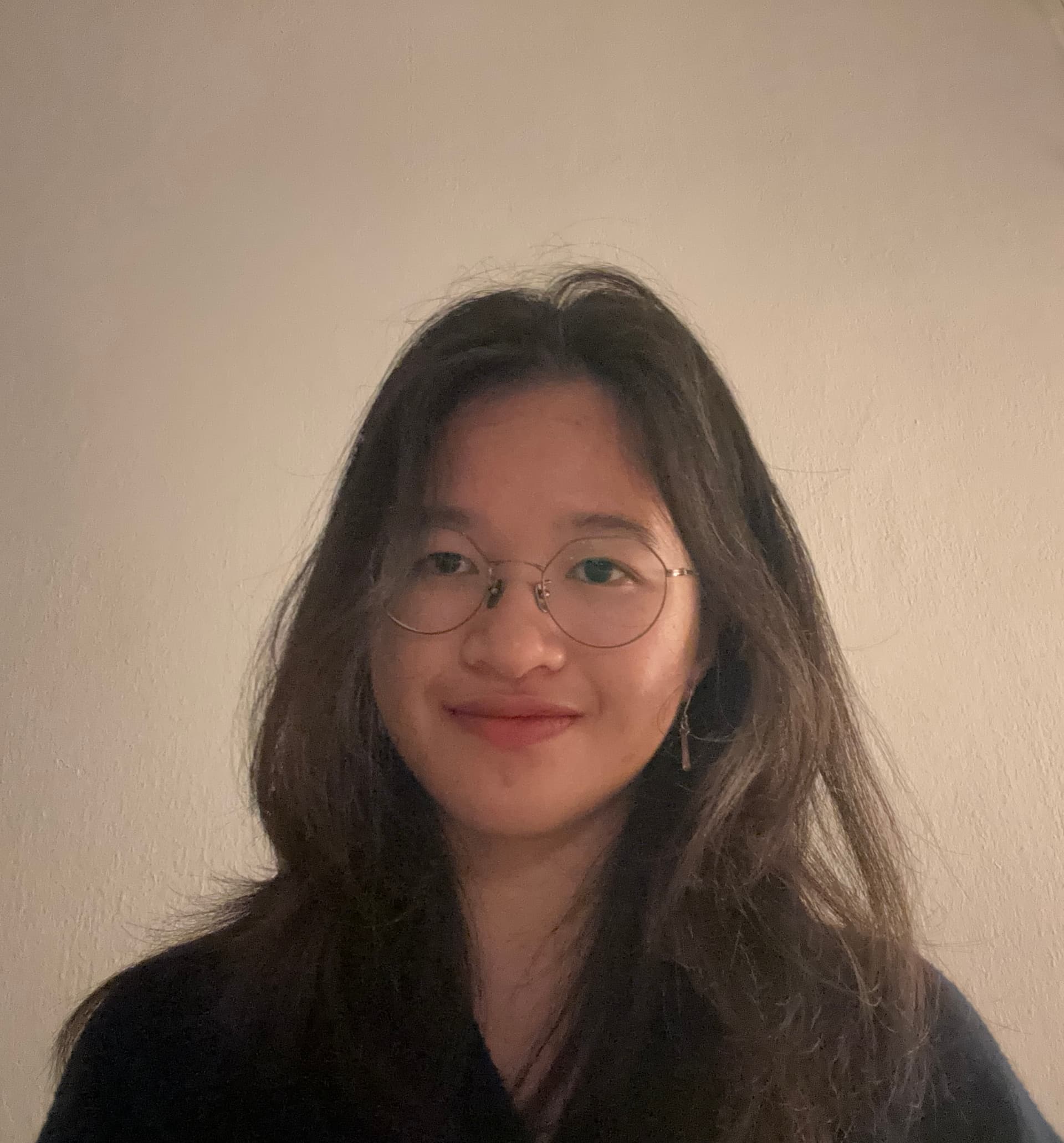
Rust’s new maintainer spotlight series opened with Tiffany Pek Yuan, known in the project as @tiif, and the choice told a clear story about how contributors move from curious outsiders to visible stewards. In just two years, she went from a Google Summer of Code contributor to a member of both the Compiler team and the Formality team, with work spanning rust-lang/rust, Miri and a-mir-formality.
Her path into Rust began around 2022, when she was looking for a systems programming language for a research project and tried Rust after telling a college friend that it would be cool to contribute. What hooked her was not just the language itself, but the experience of using it. She said Rust felt more enjoyable than Java, Python or C++, and she singled out the compiler’s error messages as especially strong.
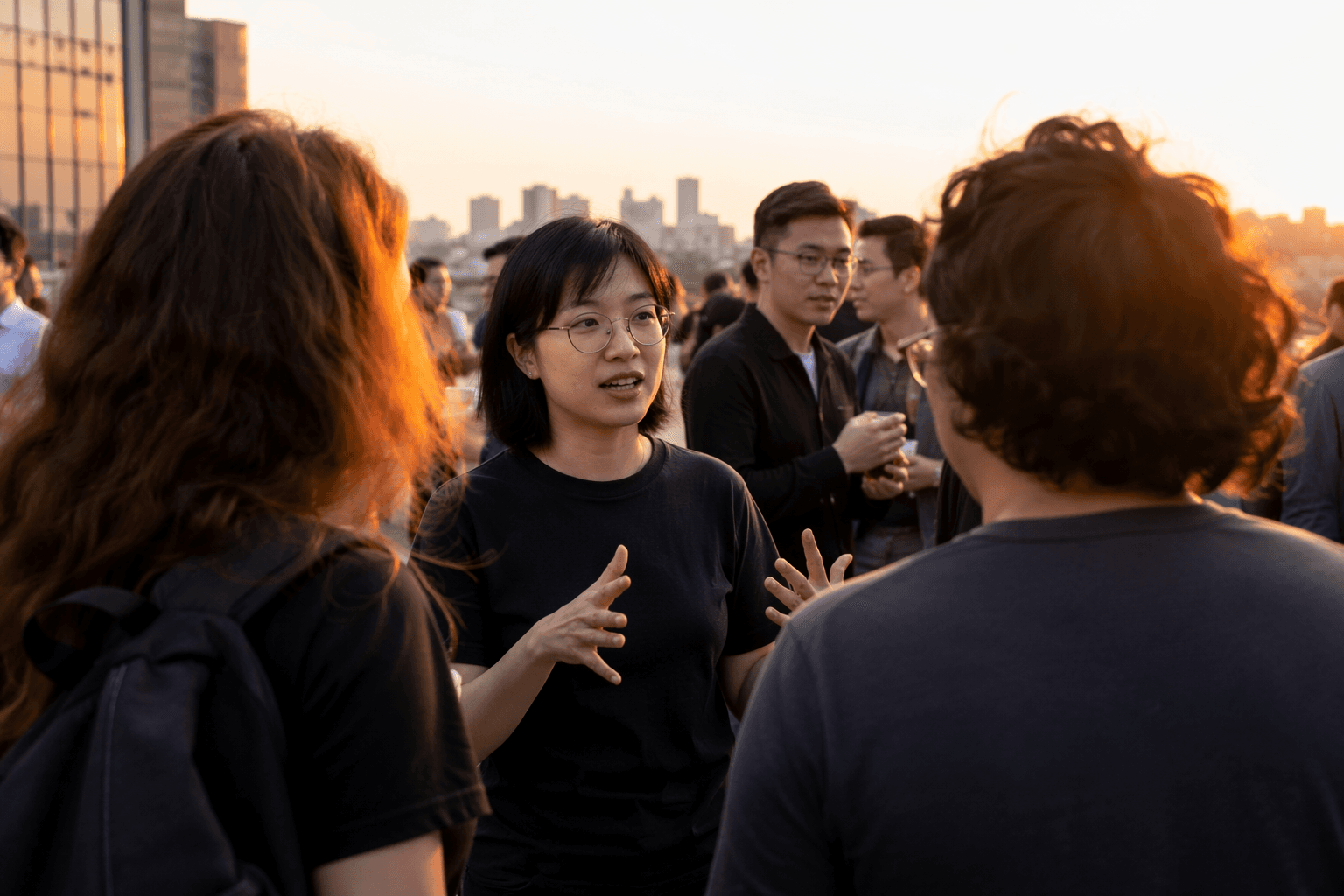
That early interest turned into a concrete contributor route through Google Summer of Code. Rust’s 2024 selected-projects announcement listed her project as Tokio async support in Miri, mentored by Oli Scherer, and the project later appeared in the 2024 results write-up as “too ambitious from the start.” Even so, that stretch became part of the handoff from student work to deeper maintenance, and Rust’s spotlight makes clear that she kept going after the project itself ran into limits.
By the time of the new profile, Pek Yuan was finishing a computer science degree at the National University of Singapore and working as a maintainer intern in the RustNL Maintainers Team. Her current focus sits right at the center of Rust’s type-system work: a trait solver bug fix tied to implied bounds, plus modeling borrow-checker semantics in the formal model. That matters because Rust’s trait-system refactor work has said the next-generation solver is meant to fix long-standing soundness bugs, improve compile times, and unblock implied bounds and coinduction.
Pek Yuan’s progress also mirrors Rust’s growing mentorship pipeline. She moved from mentee to mentor through Outreachy, which makes her role larger than a single patch or project. Rust said it had participated in Google Summer of Code for three years, including 2026, and began Outreachy participation with the May 2026 cohort. In that system, Tiffany Pek Yuan’s rise shows exactly how Rust turns an interested user into someone trusted to help maintain the language’s core machinery.
This article was produced by Prism’s automated news system from verified source data, official records, and press releases, then run through automated quality and moderation checks before publishing. The system is built and supervised by the people who set the standards it runs under. Read our full AI policy.
Know something we missed? Have a correction or additional information?
Submit a Tip