RustWeek 2026 reveals embedded systems and workflow questions in Rust
RustWeek drew more than 900 people, and the loudest theme was not language design but the messy reality of embedded debugging, remote setups, and editor choice.
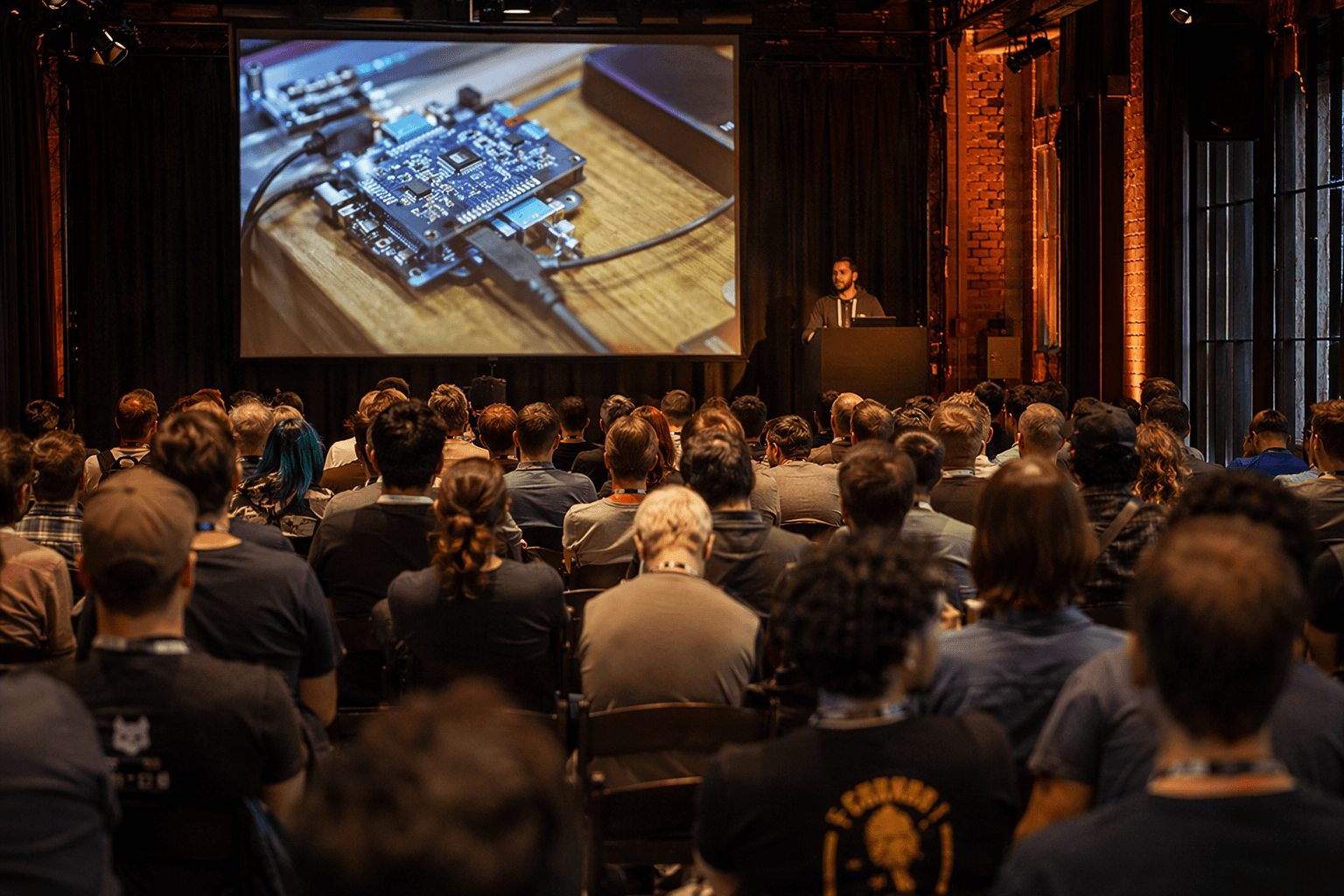
RustWeek 2026 in Utrecht had the feel of a community that has stopped asking whether Rust can work and started arguing about how to make it pleasant everywhere. More than 900 Rust developers, educators, and maintainers filled talks, workshops, a hackathon, and the kind of hallway conversations that expose what people actually wrestle with once the slides are over.
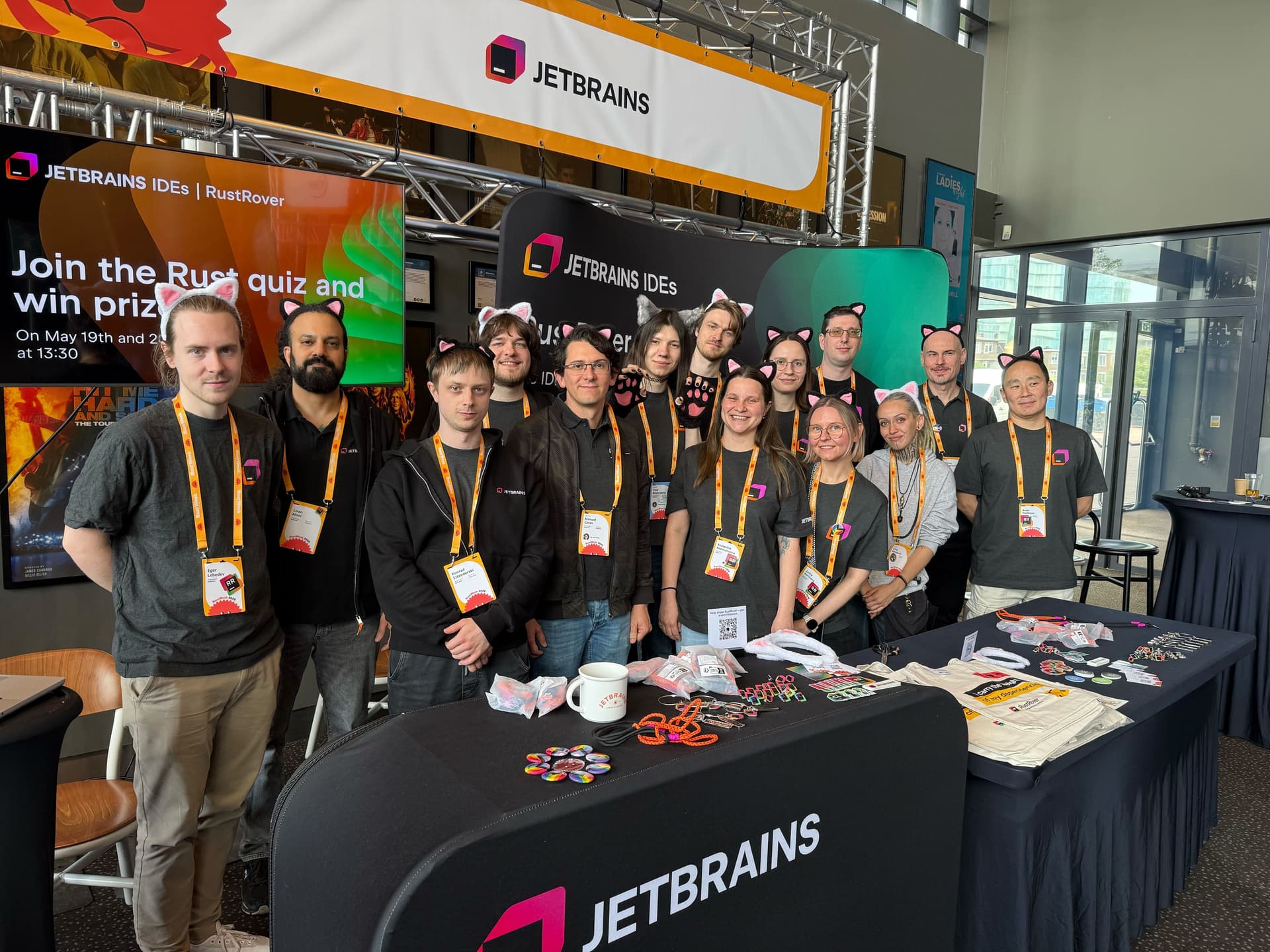
JetBrains showed up as a Gold sponsor for the third year in a row, but the RustRover booth read less like a product pitch than a field test. The team ran Rust quizzes, handed out stickers and demos, and used the booth to ask attendees what matters most in day-to-day Rust work. That framing matters because the answers were not just about syntax, speed, or a nicer autocomplete. They were about the friction that shows up when a project grows past a toy repository.
RustRover’s newer features were part of that pitch. JetBrains highlighted ACP support, Cargo nextest integration, and call hierarchy features, all of which point at a tool that wants to sit comfortably inside larger Rust codebases instead of just handling basic editing. That is the real signal here for working developers: the IDE conversation is shifting from “can it edit Rust?” to “can it keep up when the project spans test runners, navigation, and cross-package analysis?”
The surprise, at least for JetBrains, was how often embedded systems came up. Conversations around probe-rs, remote workflows, and debugging setups surfaced far more than expected. That is a useful clue for anyone building Rust outside the laptop-and-server comfort zone. Rust is increasingly running into hardware, target devices, and remote machines, and the tooling still has to keep pace with that reality.
Attendees also asked how RustRover fits alongside VS Code, Vim, and Zed. That is the other important shift. Editor choice in Rust is no longer just a matter of taste, it is turning into a workflow question about where debugging lives, how tests run, and how much of the stack one tool can reasonably own. The conference, with its no-ticket, no-issue, no-release-notes conversations, made that obvious.
The practical takeaway from Utrecht is simple: Rust’s next phase is not about proving the language works. It is about making the full path from embedded board to remote box to editor feel like one toolchain, not three compromises.
This article was produced by Prism’s automated news system from verified source data, official records, and press releases, then run through automated quality and moderation checks before publishing. The system is built and supervised by the people who set the standards it runs under. Read our full AI policy.
Know something we missed? Have a correction or additional information?
Submit a Tip