Rust team maps 2026 goals at Utrecht meetings and RustWeek
Rust is turning its planning process into a faster-moving pipeline, with 2026 goals, funding signals, and Utrecht gatherings all feeding the same roadmap.
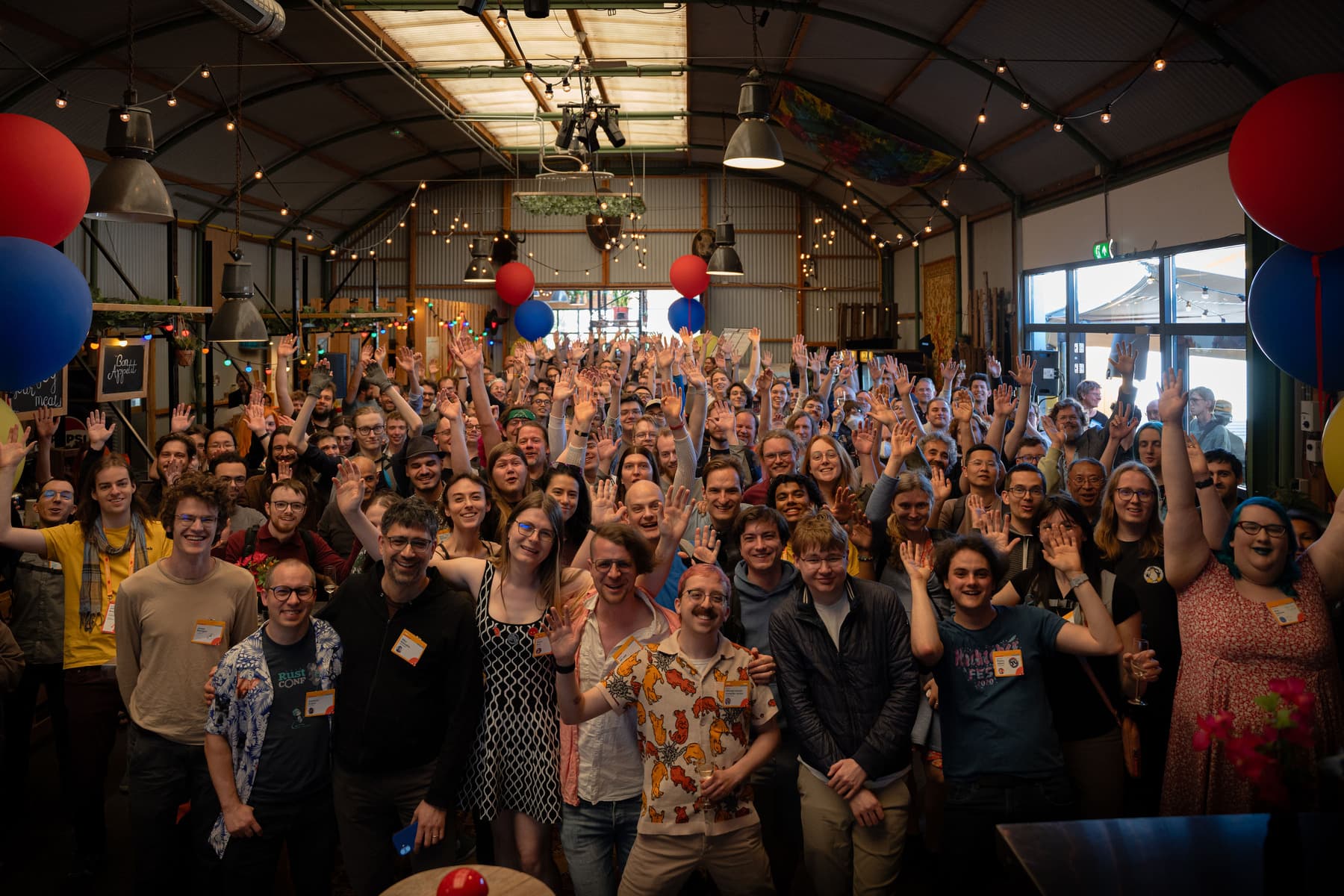
Rust’s next big community gathering is already locked in: RustWeek 2027 is set for May 24-29 in Utrecht, the Netherlands. That long lead time says a lot about how the project is operating now, with in-person meetings, funding, and the 2026 goals cycle all tied together in one planning loop.
Tomáš Šedovič and Nurzhan Saken said the June 11 program-management update followed RustWeek and the All Hands in Utrecht, where hundreds of Rustaceans packed talks, workshops, unconference sessions, and hackathons into the same week. RustWeek is typically built around two days of talks, three to four days of workshops, an unconference, and a hackathon, while the Rust All Hands is a three-day event focused on team and topic-specific sessions. The April 2026 program-management update said the two events had been co-located for the last two years, and that setup clearly gave project members a place to move from hallway conversation to actual work.

The clearest sign that the project is treating those meetings as more than conference programming was the content pipeline. The Content team recorded 12 interviews during the conference, and the Program team hired a videographer from its own budget to produce them. It also brought in an editor to work through a backlog of interview recordings from earlier Rust events. For a distributed project, that kind of follow-through matters: the project is not just collecting ideas in Utrecht, it is trying to package them into durable updates that carry context forward after everyone goes home.
The bigger strategic shift is in Project Goals. The team said it had published the final update for the 2025H2 goals and moved into the new 2026 period, after the first look at 2026 goals went out on February 3, 2026. The Rust Project Goals site says 2026 is the initial round of goals for the year, and new goals can be added only when all required resources, including champions and funding, are already in place. The funding page already lists goals that are looking for support and points interested funders to the Goals team through Zulip or email. RFC 3935 frames the 2026 goals as annual, paired with roadmaps that map longer development arcs, and the April update said 2025H2 ended with 41 Project Goals, including 13 Flagship Goals.
That is the practical change Rust watchers should keep an eye on in 2026: a goals process that looks less like a half-year checkpoint and more like a rolling system for getting work funded, staffed, and visible. The team is also considering easier goal creation, simpler updates, refactored tooling, and a more rolling annual cadence. With RustWeek 2027 already on the calendar, the project is signaling that the meetings in Utrecht are now part of a much wider rhythm, one meant to turn planning into visible progress faster.
This article was produced by Prism’s automated news system from verified source data, official records, and press releases, then run through automated quality and moderation checks before publishing. The system is built and supervised by the people who set the standards it runs under. Read our full AI policy.
Did this article answer your question?