RustSec flags oneringbuf unsoundness, safe API hides double-free risk
A safe `oneringbuf` API masked a deterministic double-free in its `vmem` path, and RustSec says the bug was reachable from 100% safe Rust.
The uncomfortable lesson in RustSec’s latest `oneringbuf` advisory is simple: a safe API is only as trustworthy as the unsafe machinery underneath it. RustSec tagged RUSTSEC-2026-0143 as an INFO-level memory-corruption issue on May 14, and the warning centers on `oneringbuf::VmemStorage::new` in versions below 0.7.1. The advisory’s keywords tell the story plainly enough, with double-free, use-after-free, vmem, and drop all in the same report, and RustSec says the bug was reachable from 100% safe Rust.
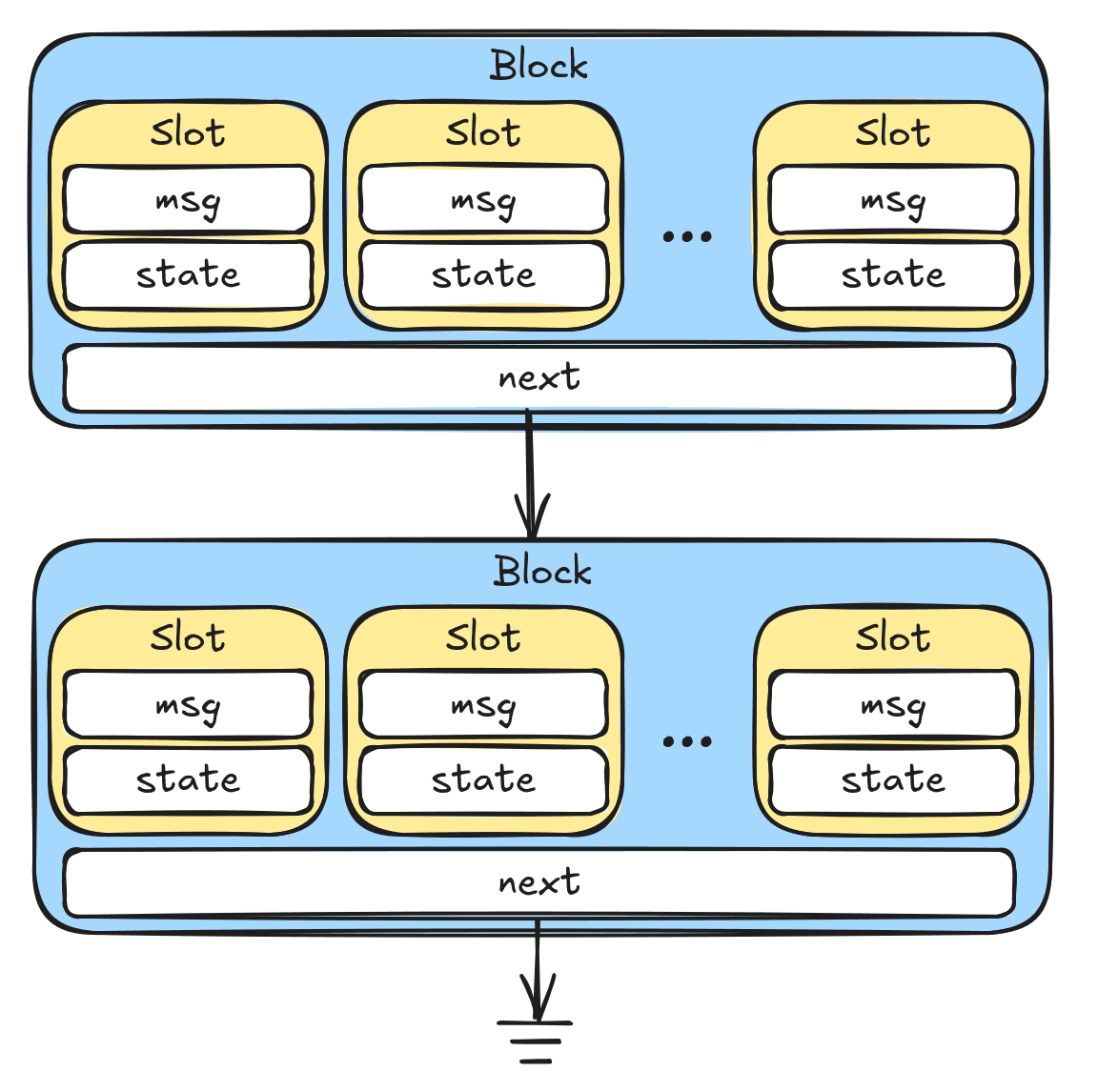
The failure sits in the crate’s `vmem` feature. `VmemStorage<T>::new` and the constructors that feed into it bit-copy a source buffer into a freshly mmap’d region, then let the original `Box<[UnsafeSyncCell<T>]>` fall out of scope normally. That would already be dangerous, but the problem becomes deterministic because `UnsafeSyncCell<T>` has a `Drop` implementation that calls `assume_init_drop` on its inner value. In practice, the source-side values are dropped as `new` finishes, while bitwise duplicates with the same heap pointers remain in the mmap region. When the ring buffer later tears down, those same elements are dropped again.

The reproducer uses `Vec<Vec<u32>>`, which makes the bug impossible to brush off as a corner case involving exotic types. On glibc, the program aborts with `free(): double free detected in tcache 2`; AddressSanitizer reports an attempted double-free. That is the kind of failure that tells maintainers exactly where the ownership model went wrong: the bytes moved, but the destructor semantics did not. RustSec lists the patched range as 0.7.1 and up, says the upstream fix landed in Skilvingr/rust-oneringbuf#3, and notes that the vulnerable releases were yanked from crates.io.
The parallel `mutringbuf` advisory adds an important bit of history. RustSec says `mutringbuf` was the archived predecessor of `oneringbuf`, that the GitHub repository was archived on 2025-11-20, and that all released versions up to 1.0.0 carried the same `vmem` double-free bug. The crate’s README describes `oneringbuf` as an SPSC ring buffer aimed at real-time uses such as audio stream processing, which makes the flaw harder to ignore. A crate can promise a safe surface and still hide a memory-safety trap if the unsafe layer gets ownership even slightly wrong, and this one did exactly that.
This article was produced by Prism’s automated news system from verified source data, official records, and press releases, then run through automated quality and moderation checks before publishing. The system is built and supervised by the people who set the standards it runs under. Read our full AI policy.
Did this article answer your question?