Spin Framework Releases New Canary Build Alongside Active v3.6.x Series Updates
Spin pushed a fresh canary build yesterday while continuing to ship v3.6.x point releases, signaling active development on two fronts simultaneously.
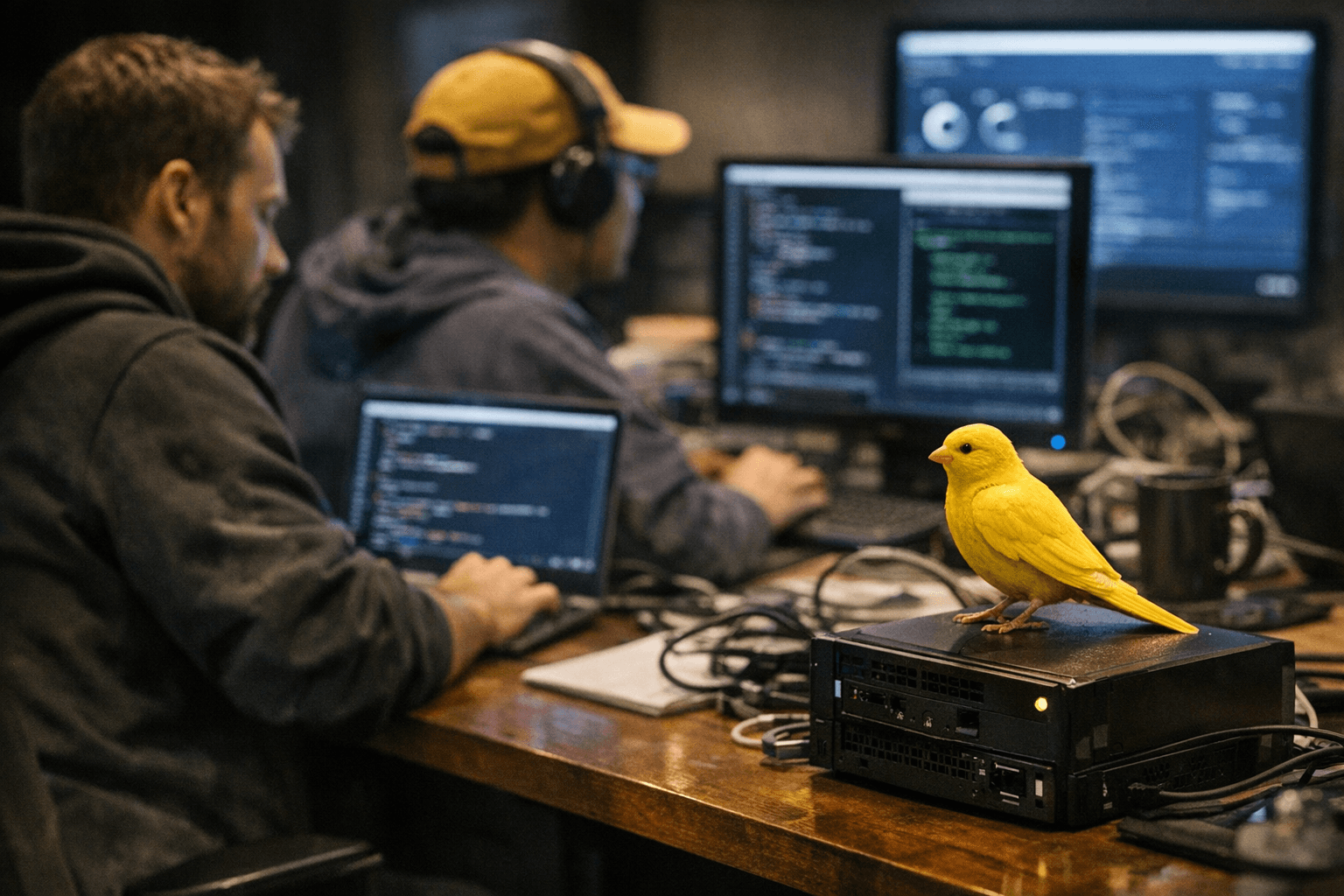
The Spin framework shipped a new canary build on March 19, keeping pace with an already busy week of activity in the v3.6.x stable series. For a WebAssembly-first serverless runtime that sits at the intersection of Wasm tooling and production deployment, running parallel tracks like this tells you something about where the project's momentum is right now.
Canary builds in a project like Spin aren't just nightly throwaway artifacts. They're the leading edge of whatever the core team is testing before it crystallizes into a stable minor release. The fact that a fresh canary landed roughly 19 hours before this writing, during the same window that the v3.6.x series has been receiving active minor updates, suggests the team isn't in a quiet maintenance phase. Two release tracks moving at once typically means features are being hardened in the stable branch while something newer is already being validated upstream.
The v3.6.x series updates are the more immediately practical story for anyone running Spin in a production or near-production setup. Minor releases in a mature series usually carry bug fixes, dependency bumps, and incremental improvements to the trigger system or component model compatibility. If you've been holding off on updating a Spin deployment, a week with multiple v3.6.x commits is a reasonable prompt to check the changelog and pull the latest point release.
The canary track is where things get interesting for contributors and early adopters. If the pattern holds from previous Spin development cycles, what lands in canary this week has a reasonable shot at shaping what v3.7 looks like. Wasm component model support and the broader Fermyon ecosystem integrations have historically been the areas where canary builds first expose new behavior, so that's where to look if you're tracking what's coming.
For anyone building with Spin on top of Rust, the timing is worth noting. The Rust toolchain's own Wasm targets have been stabilizing steadily, and Spin's active release cadence suggests the project is keeping up with those changes rather than falling behind. A stalled canary track would be the warning sign; what happened this week is the opposite.
This article was produced by Prism’s automated news system from verified source data, official records, and press releases, then run through automated quality and moderation checks before publishing. The system is built and supervised by the people who set the standards it runs under. Read our full AI policy.
Did this article answer your question?