Ubuntu 26.04 LTS brings Rust-based core utilities and sudo-rs
Ubuntu 26.04 LTS crossed a key line: Rust core utilities and sudo-rs now ship in a flagship LTS, even as GNU coreutils stay on cp, mv and rm.

Ubuntu 26.04 LTS turned Rust from an experiment into part of the operating system’s default path, shipping Rust-based core utilities and sudo-rs in a release that Canonical framed around resilience, security, and long-term enterprise use. That matters because these are not peripheral developer tools. They sit in the commands administrators and developers reach for every day, alongside the legacy GNU utilities they are steadily replacing.
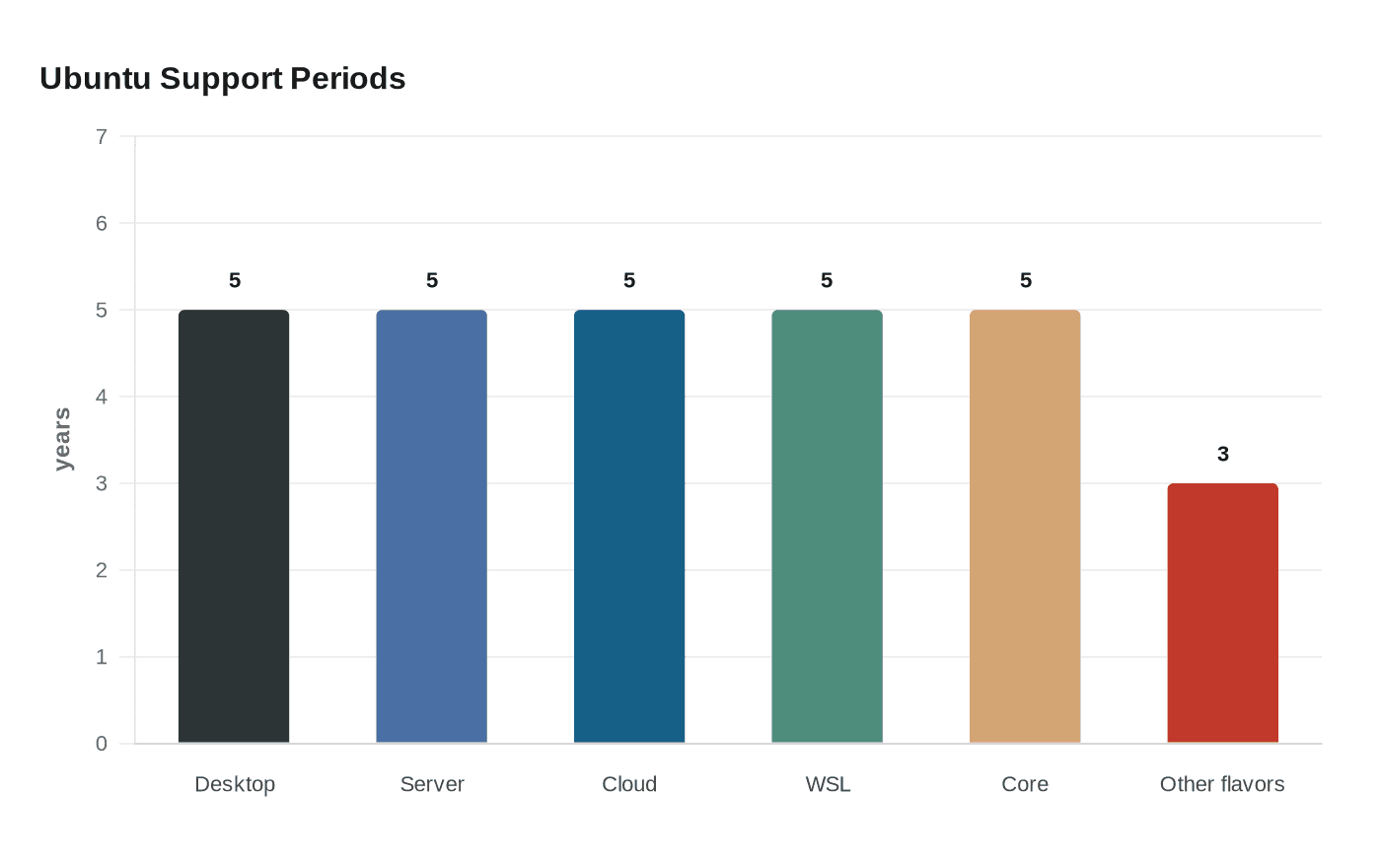
Canonical dated the release notes to April 23, 2026 and described Ubuntu 26.04 LTS, codenamed Resolute Raccoon, as the 11th long-term supported release of Ubuntu. The company said the distribution delivers 5 years of maintenance updates for Ubuntu Desktop, Ubuntu Server, Ubuntu Cloud, Ubuntu WSL, and Ubuntu Core, while the remaining flavors get 3 years of support. Ubuntu LTS releases still carry 5 years of standard support plus 5 years of extended security maintenance, giving the platform a 10-year lifecycle.

The Rust milestone is clearest in Lubuntu’s release notes, which said Ubuntu 26.04 is the first LTS to ship Rust-based core utilities and sudo-rs. Canonical had already laid the groundwork in 2025, saying it wanted uutils’ coreutils to become the default in Ubuntu 25.10 and then in Ubuntu 26.04 LTS if conditions allowed. That plan advanced in practice: Ubuntu shipped rust-coreutils as the default in 25.10, included rust-coreutils 0.8.0 in 26.04, and kept cp, mv, and rm on GNU coreutils because eight TOCTOU issues were still open as of April 22, 2026. The community has already set Ubuntu 26.10 as the next target for 100 percent rust-coreutils.
Ubuntu 26.04’s Rust stack is not a proof-of-concept. The April update on Rust on Ubuntu said the release uses rust-coreutils 0.7.0, sudo-rs 0.2.13, and Rust 1.93.1 by default. Ubuntu also joined the Rust Foundation as a Gold member, a sign that the distribution now sees memory-safe system software as a long-term platform decision rather than a side project. The same release brought TPM-backed full-disk encryption, improved application permission prompts, Livepatch updates for Arm servers, and native NVIDIA CUDA and AMD ROCm support, tying Rust’s rise to a broader push for production-grade security and modern workloads.
The result is a familiar Linux release with an unfamiliar center of gravity. Ubuntu 26.04 LTS did not just add Rust utilities to the stack. It placed them in the baseline path for a mainstream LTS, while keeping GNU fallbacks where security review still demands caution. For systems programmers, that is the signal: Rust has moved into the infrastructure tier where trust is earned by shipping.
This article was produced by Prism’s automated news system from verified source data, official records, and press releases, then run through automated quality and moderation checks before publishing. The system is built and supervised by the people who set the standards it runs under. Read our full AI policy.
Did this article answer your question?