uFerris gets OSHWA certification as an open-source Rust learner board
OSHWA certification gives uFerris a clearer trust signal: UID JO000001 now backs a beginner Rust board built around swappable Seeed XIAO modules.
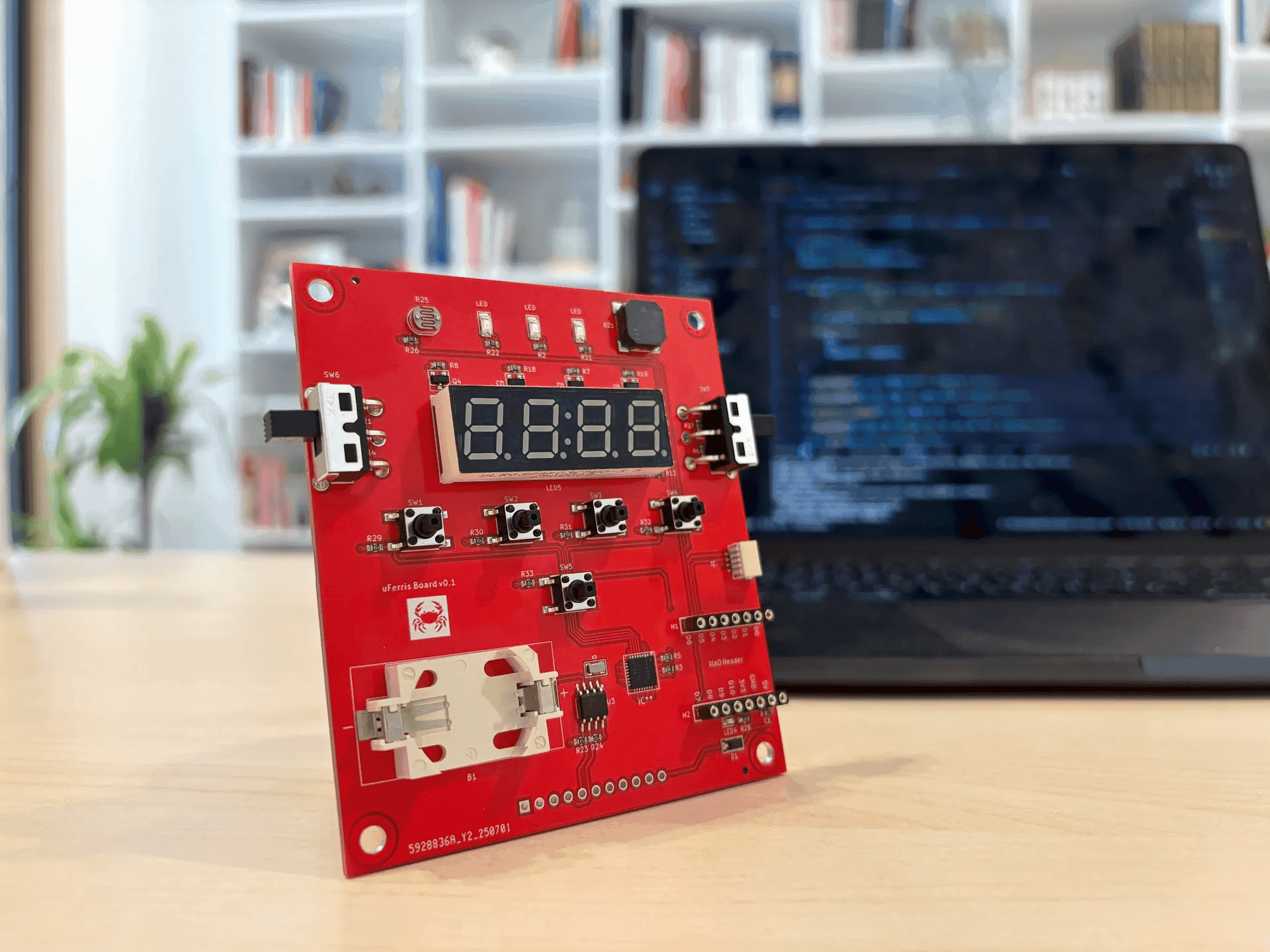
OSHWA certification gave uFerris something embedded Rust newcomers can actually use: a formal open-source hardware badge that makes the board easier to trust, recommend, and build tutorials around. On May 8, 2026, the project received UID JO000001, with Jordan listed as its country of origin, and the certification page described uFerris as an open-source learner board for embedded Rust beginners and the hardware companion to the Simplified Embedded Rust book series.
That matters because the first steps in embedded Rust often stall at the hardware layer. Different microcontroller families, different peripherals, and different board quirks can turn a simple learning project into a lot of setup work before any code runs. OSHWA says certification is meant to show that a product meets a uniform, well-defined standard for open-source compliance, which gives uFerris a clearer signal that its design and documentation are meant to be shared, reused, and reproduced.
The board itself is built to lower that friction. uFerris uses a Megalops baseboard with standard peripherals, including GPIO, timers, ADC, PWM, UART, I2C, and SPI, while accepting Seeed XIAO pinout MCU modules so the underlying silicon can change without forcing the whole board layout to change. The uFerris GitHub organization calls it a versatile Rust embedded learner board targeted toward beginners, and the hardware repository says it is designed to support multiple controllers on a single reference platform and serve as a centralized reference for Rust embedded beginners.
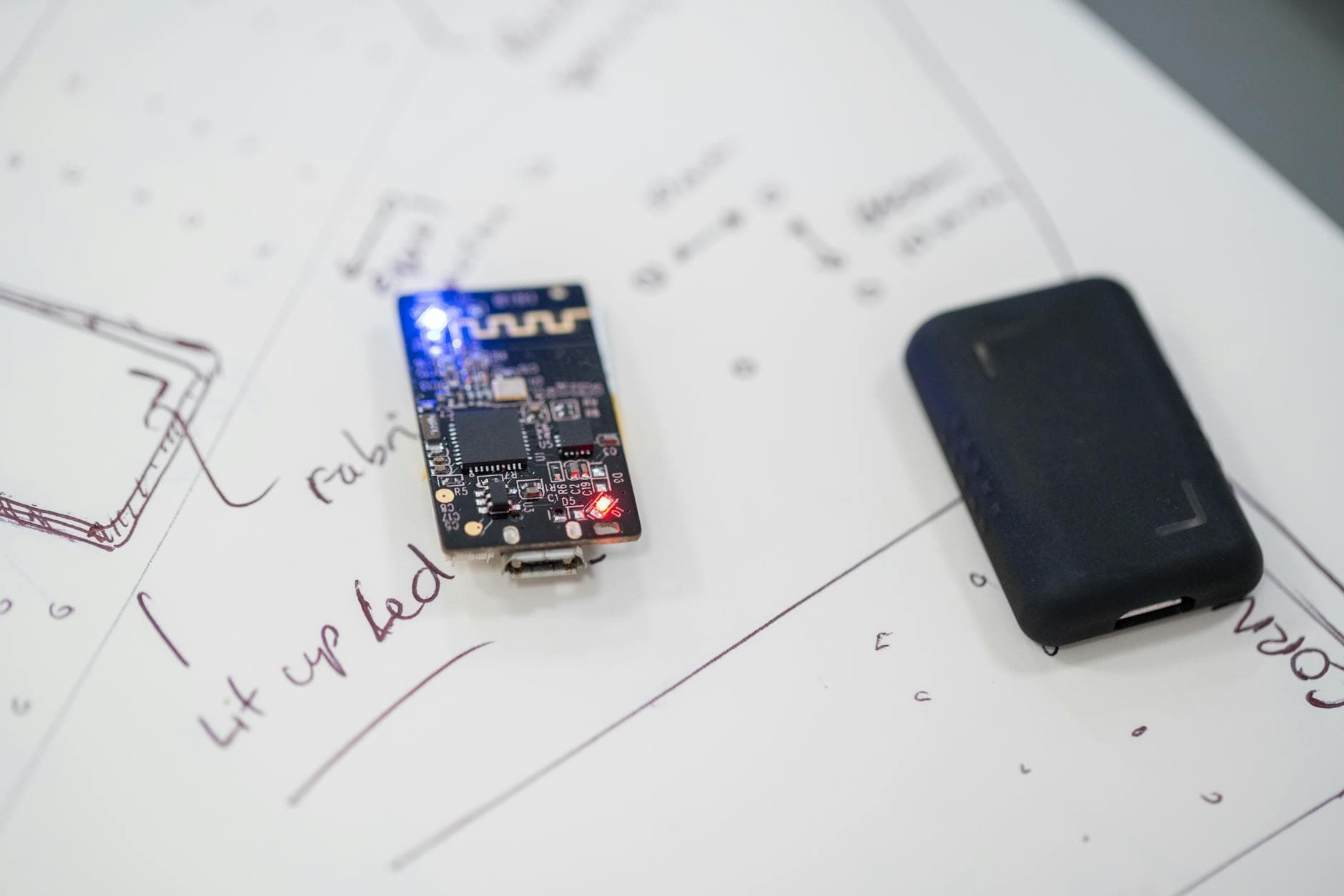
That design choice extends into the software side too. The companion board-support crate, uferris-bsp, aims to be mostly MCU-agnostic, so the same high-level board API can work across supported XIAO controllers such as ESP32-C3 and RP2040. The project also points to an optional Power Expansion Board with a 2xAAA battery holder, a current measurement circuit, and an SD card holder, which gives the board a path to portable demos and self-contained experiments instead of only bench-top use.
For the embedded Rust community, the value is less about ceremony than about repetition. A certified open-hardware learner board, tied to a beginner-focused book series and backed by a public GitHub footprint, gives tutorials a more concrete target and gives newcomers fewer reasons to restart from scratch each time they move to a new chip family. That is the real payoff of uFerris’s OSHWA badge: it turns an encouraging idea into a board that looks ready to teach, be copied, and actually survive the first project.
This article was produced by Prism’s automated news system from verified source data, official records, and press releases, then run through automated quality and moderation checks before publishing. The system is built and supervised by the people who set the standards it runs under. Read our full AI policy.
Did this article answer your question?