Rust-based Colour Vault targets post-quantum crypto for multi-chain assets
Colour Vault is trying to make post-quantum key custody real in Rust, but its real test is whether the threat model and audit trail can catch up with the math.
Future-proofing key custody, not just crypto theory
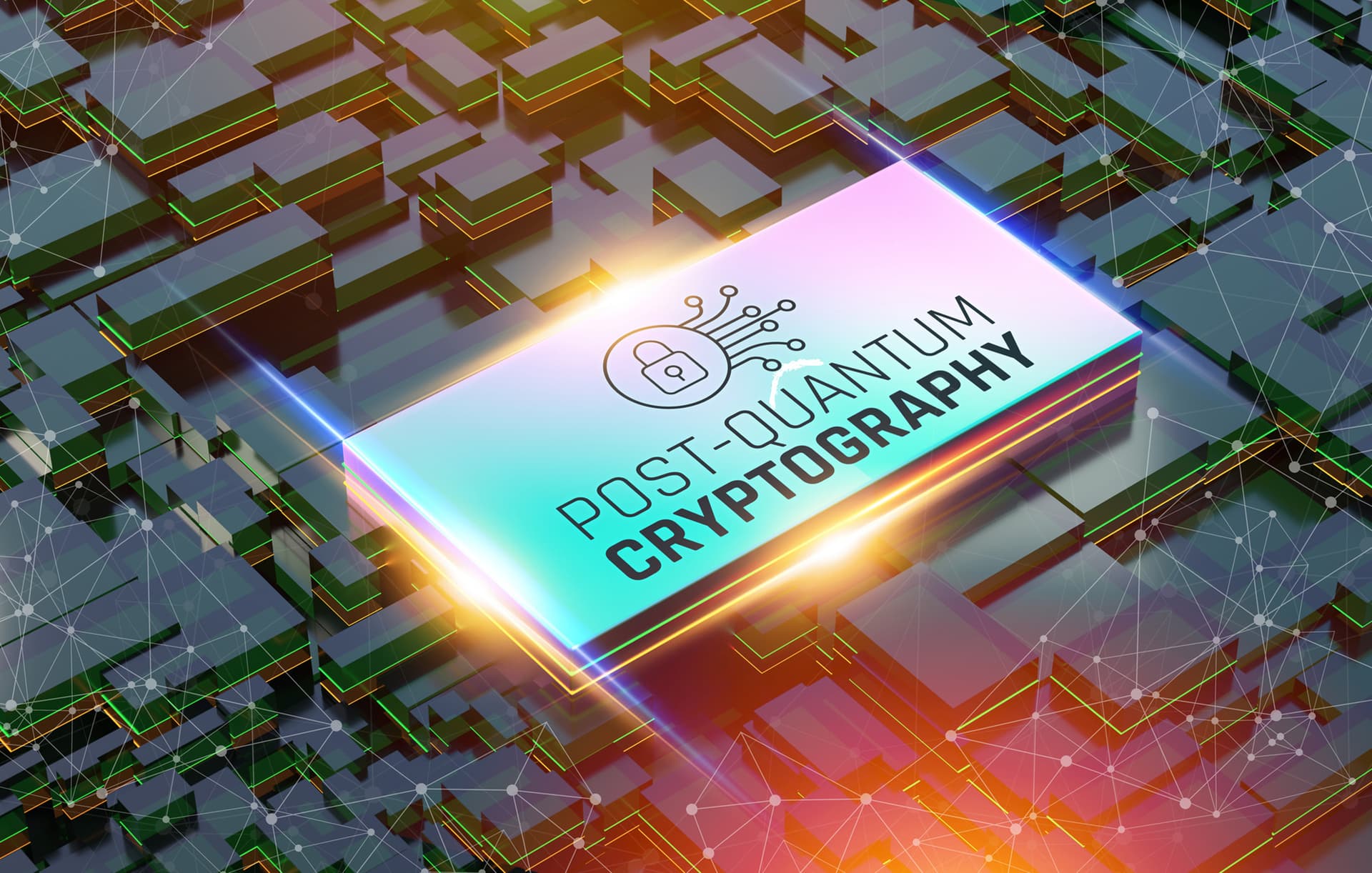
Future-proofing private keys is the real problem here. Colour Vault is not selling a clever post-quantum demo, it is trying to protect the generation, storage, and use of cryptocurrency private keys for Bitcoin, Ethereum, and Solana without pretending those chains will change their signature schemes overnight.

That distinction matters. The vault protocol applies post-quantum protection at the vault layer, while the chains themselves still use their native classical signatures. In plain Rust terms, this is not a replacement for blockchain consensus or chain-specific signing rules. It is an attempt to wrap stronger custody around the parts developers can actually control today.
What Colour Vault is trying to solve
The Colour whitepaper frames the project as a vault protocol for secure generation, storage, and use of cryptocurrency private keys. It combines multiple independent algorithm families, hardware enclave integration, zero data custody, and simple institutional integration, which pushes it well past hobby-crypto territory.
The protocol’s threat model is long-horizon and practical: protect sensitive key material before quantum computers make today’s public-key assumptions less trustworthy, and do it in a way that still fits real multi-chain operations. That is why the design includes layered crypto rather than a single exotic primitive, because one algorithm family failing should not automatically take the whole vault with it.
The whitepaper also says the system uses AES-256-GCM and ChaCha20-Poly1305 double encryption, custom GF(256) Shamir secret sharing, and anti-replay transaction protection. Those choices point to a protocol that is trying to defend against both offline key theft and operational misuse, not just theoretical cryptanalytic advances.
Why Rust is a credible fit
Rust is a sensible implementation language for a vault like this because the failure modes are brutal. When a system handles key material, secret sharing, transaction signing, and multiple algorithm families, memory safety is not a nice-to-have. It is part of the security boundary.
That is especially true when the protocol is trying to combine software encryption, hardware enclave support, and institutional integration in one codebase. Rust’s type system and ownership model make it easier to encode the rules of a sensitive protocol directly in the implementation, which reduces the chances of the sort of pointer bugs and lifetime mistakes that do not belong anywhere near custody software.
This is also why the Rust community should care even if it never uses Colour Vault directly. Rust has become a credible place to build security-sensitive infrastructure, and this project sits right in that lane.
The post-quantum context that makes this timely
NIST approved three post-quantum cryptography standards in August 2024: FIPS 203, FIPS 204, and FIPS 205. NIST said the algorithms were ready for immediate use and encouraged administrators to begin transitioning as soon as possible, because quantum computers could eventually break currently deployed public-key encryption.
That is the backdrop Colour Vault is aiming at. The project claims support for all three major NIST post-quantum standards in its implementation story: ML-KEM-1024 for key encapsulation, ML-DSA-87 for primary signing, and SPHINCS+ for hash-based signing. The point is not to experiment with a single post-quantum primitive and call it a day. The point is to build an algorithm-agile vault that can survive the migration era.
That migration problem is where a lot of crypto buzz collapses. Plenty of projects can say “post-quantum” and never confront what must remain classical, what can be wrapped at the vault layer, and what still depends on the underlying chain. Colour Vault at least acknowledges the boundary.
What happens on and off hardware enclaves
The whitepaper is careful on hardware enclaves, and that is a good sign. On platforms with enclave support, the design can lean on physical isolation for sensitive operations. On platforms without enclaves, the software encryption layer still protects the data, but it loses that extra physical separation.
That is the difference between strong software design and genuinely hardened deployment. If you are evaluating this as a Rust developer, the key question is not just whether the cryptography is modern. It is whether your actual target environment includes the enclave layer the protocol expects, or whether you are relying on the software path alone.
The same realism shows up in the chain integration. Bitcoin, Ethereum, and Solana still use their own native signature schemes for on-chain transactions. Colour Vault’s post-quantum protection sits at the vault protocol layer, which means the protocol is protecting custody and transaction workflow rather than rewriting the cryptography of those networks.
What the current maturity signals actually say
Right now, the most concrete maturity signal is the test status: 53 of 53 tests passing, with no known vulnerabilities reported and audit work in progress. That is promising, but it is not the same thing as production trust.
The project is actively pursuing outside scrutiny, including a Trail of Bits audit call and a Cure53 quote. Those names matter because Trail of Bits describes itself as helping secure some of the world’s most targeted organizations and products, while Cure53 focuses on security assessments for software, infrastructure, and cryptographic systems. In crypto infrastructure, that kind of third-party review is not decorative. It is the difference between “looks solid” and “I would actually put keys here.”
A 2025 Rust-focused review adds another useful datapoint: it said it was not aware of an audited Rust crate covering all three major NIST post-quantum algorithms. That makes Colour Vault interesting precisely because it is trying to occupy a gap that the ecosystem has not convincingly filled yet.
When a Rust developer should pay attention
Colour Vault becomes credible to adopt only when a few conditions line up. The first is the audit story, because crypto code without outside review is only a promise. The second is deployment fit, because enclave-backed security and software-only protection are not equivalent. The third is operational clarity, because multi-chain support means the vault has to prove it can safely handle key workflows without leaking complexity into the application layer.
For now, the project is best read as serious infrastructure in formation rather than finished doctrine. It is open source, built in Rust, explicitly aimed at post-quantum resistance, and anchored to real chains and real custody workflows instead of abstract research demos.
That is the part worth watching. If the Rust ecosystem wants to own the next generation of cryptographic plumbing, projects like Colour Vault are where the conversation leaves the whiteboard and starts touching the keys.
This article was produced by Prism’s automated news system from verified source data, official records, and press releases, then run through automated quality and moderation checks before publishing. The system is built and supervised by the people who set the standards it runs under. Read our full AI policy.
Did this article answer your question?