Xfce arrives on Redox OS, improving the Rust desktop experience
Xfce gives Redox a more stable desktop path than MATE, but the Rust OS still needs bug fixes before it feels ready for everyday use.
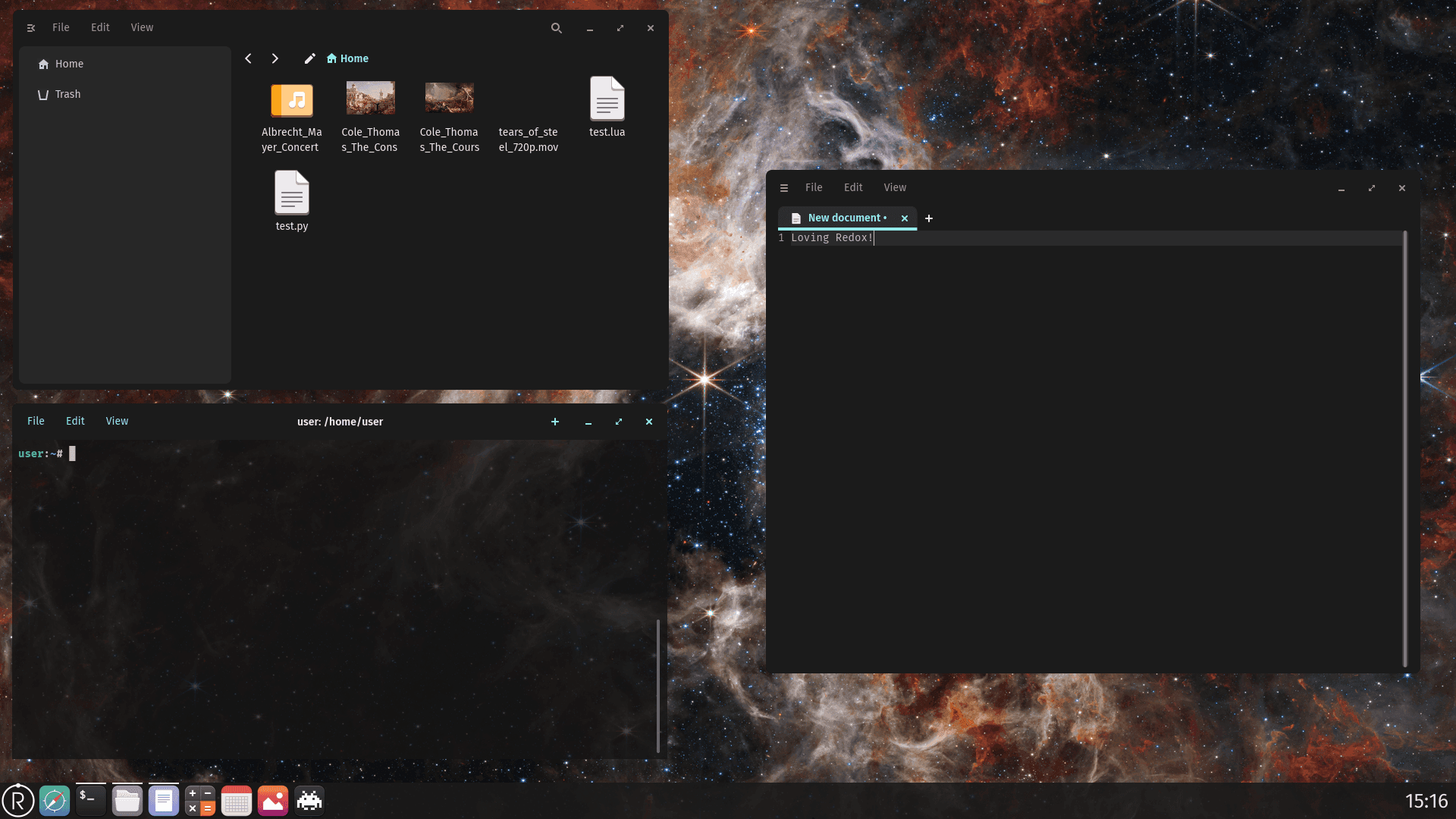
Xfce has landed on Redox OS, and that makes the project’s desktop story feel a lot less theoretical. The port matters because it gives Redox, a Rust-written microkernel operating system, a familiar X11 desktop path that is currently more stable than MATE, even as the environment remains too buggy for everyday use.
Wildan Mubarok handled the Xfce port, aiming for a better X11 experience on Redox. That practical goal is the point: Xfce is not just another box checked on a roadmap, it is a recognizable desktop that can make a Rust OS feel closer to something people can actually work in. Redox’s May update says the Xfce port is still rough, with many bugs left to fix, but it also says it has already become the preferred desktop option over MATE because MATE has been hit by crashes involving Caja.

That makes the milestone more than symbolic. For hobbyists trying to move beyond command-line demos, a stable window manager and file manager stack is the difference between tinkering and attempting real workflows. Xfce does not solve Redox’s deeper usability gaps, but it does offer a clearer path for launching apps, navigating files, and living inside an X11 session without tripping over the same crashes that have hurt MATE.
The desktop work also sits beside a string of lower-level gains that make Redox look less like a proof of concept and more like an operating system under active pressure testing. On Saturday, May 30, 2026, Redox implemented the EEVDF scheduler to replace DWRR, with the goal of making CPU-time distribution fairer. In the same update, Redox said I/O event wait performance for poll and epoll improved 4x in a non-KVM QEMU benchmark, with timeout accuracy also improving and the team expecting even larger gains on real hardware.
Other pieces are falling into place too. Redox said the COSMIC Monitor app was ported, giving the system its first graphical system monitor, while RedoxFS, the default filesystem inspired by ZFS and adapted to Redox’s microkernel architecture, remains part of the platform’s core plumbing. The Rust compiler was updated as well, alongside kernel and driver improvements that continue to widen the gap between a demo build and a usable desktop.
Redox still looks unfinished, but Xfce changes the conversation. It is the kind of desktop that can make a Rust operating system feel less like a curiosity and more like a place you could actually start using, even while the bugs beneath the window manager remind you how much work is still left.
This article was produced by Prism’s automated news system from verified source data, official records, and press releases, then run through automated quality and moderation checks before publishing. The system is built and supervised by the people who set the standards it runs under. Read our full AI policy.
Did this article answer your question?