Harbor 20 class opens strategy and tactics seminar for all sailors
The Harbor 20 class is pairing classroom strategy work with on-water correction, giving sailors a weekend path to cleaner starts, sharper boat handling, and better race decisions.
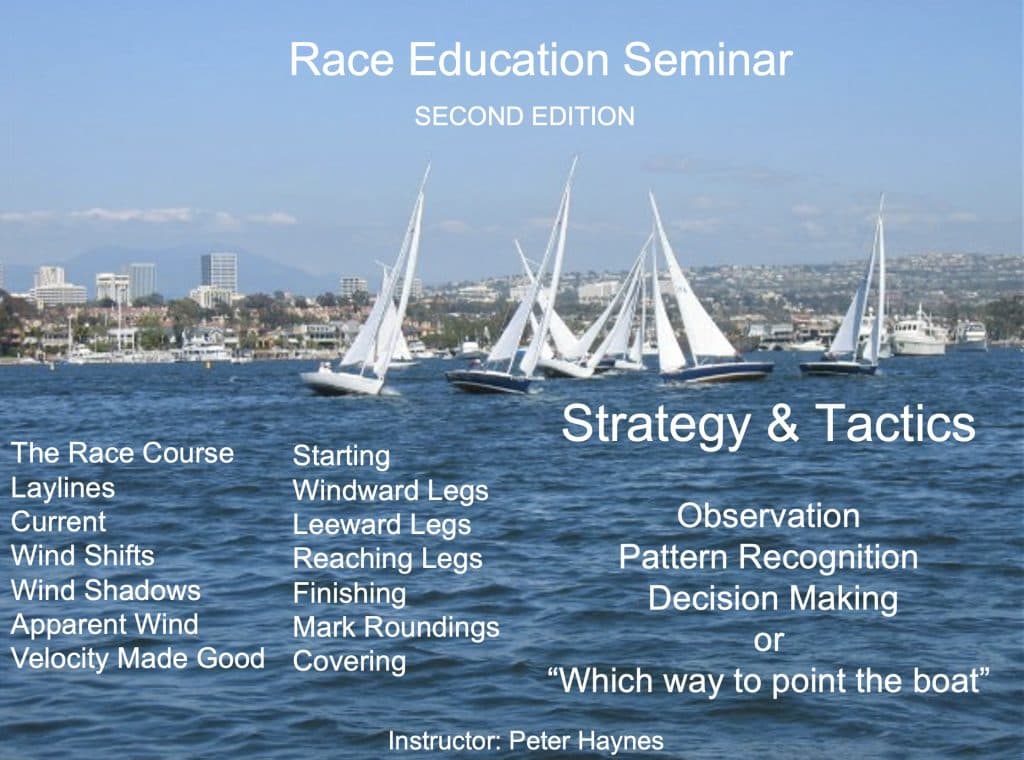
The expensive mistake in a sailboat race is often not the blown tack or missed shift. It is finding out too late that you never had a plan for the wind, current, and waves in front of you. The Harbor 20 Class Association is putting a fix on the calendar with a strategy-and-tactics seminar on Sunday, June 7, at Bahia Corinthian Yacht Club, followed by an on-water companion clinic on June 13 at Lido Isle Yacht Club.
From seminar room to cockpit
The value here is in the pairing. Harbor 20’s seminar is built to explain not just how to sail, but how races are actually won, and the class draws a clear line between strategy and tactics. Strategy is the plan you make for how to sail the course as fast as possible in the existing wind, current, and wave conditions; tactics are the boat-to-boat decisions you make once you are among nearby competitors. That distinction matters whether you race a Harbor 20, sail PHRF, or spend your weekends in another one-design fleet.
For DIY sailors, that same split between plan and execution shows up everywhere on the water. Better strategy forces better sail trim and better positioning before the start; better tactics sharpen crew coordination, situational awareness, and the timing of each maneuver. A weekend like this is less about classroom theory than about building habits you can repeat every time the breeze builds, the line compresses, or another boat steals your air.
What the June 7 seminar actually looks like
The June 7 seminar at Bahia Corinthian Yacht Club is a full-day session with a practical pace. Registration and continental breakfast begin at 8:15 a.m., the seminar starts at 9:00 a.m., lunch is served at noon, and the day wraps at 5:00 p.m. The listed fee is $119.00 if registered by May 29 and $144.00 after May 29, with course materials included in the registration package.
That setup is useful because it pushes the learning toward race-day application instead of abstract talk. The class says the goal is to help sailors recognize and understand what is happening in a sailboat race, which is exactly the kind of decision-making work that translates into better starts, cleaner lanes, and fewer wasted maneuvers. In one day, the biggest gains are likely to come from seeing the course differently, making faster choices under pressure, and learning what to ignore when the race around you gets noisy.
Why the clinic matters as much as the lecture
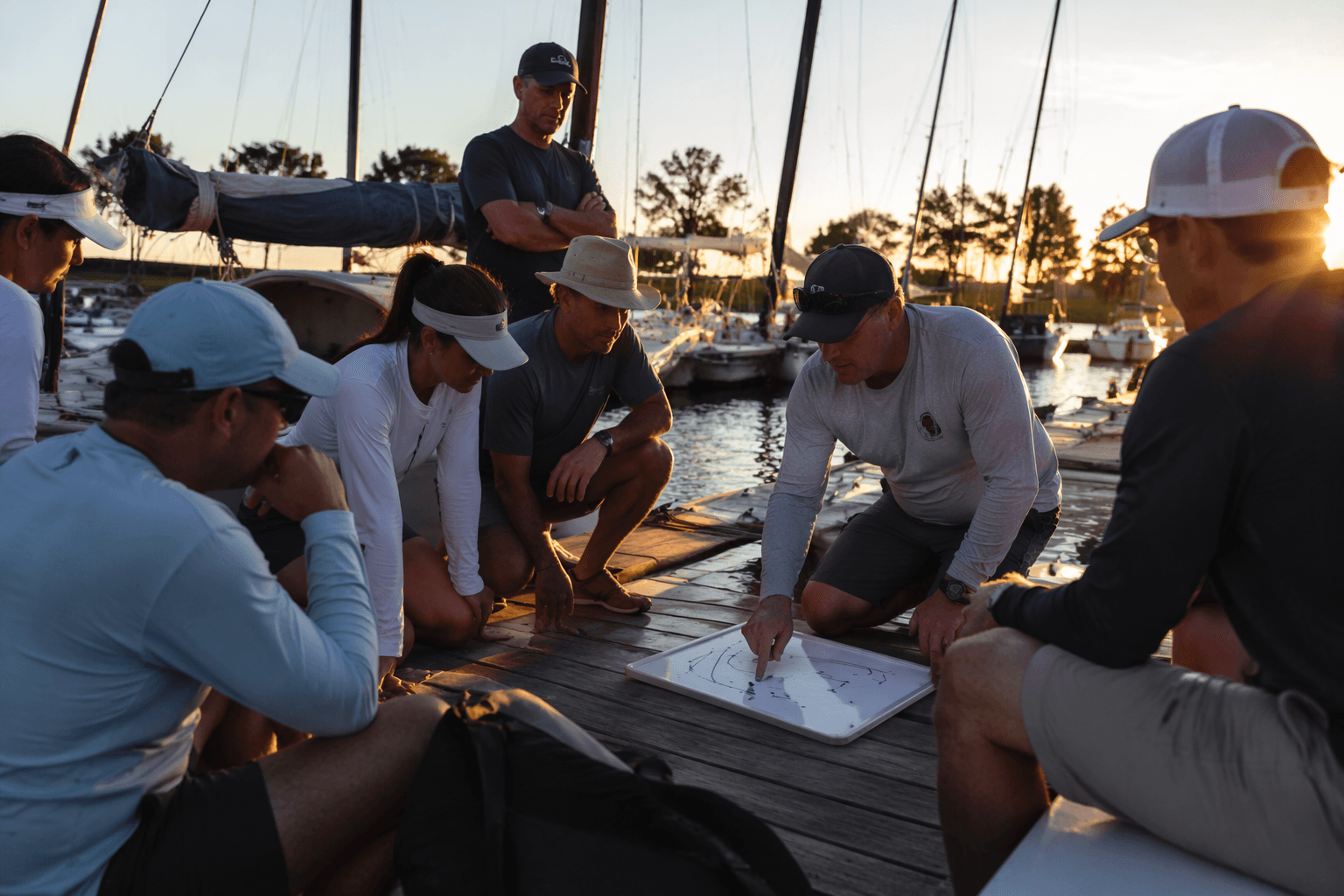
The real bridge from theory to speed comes on Saturday, June 13, at Lido Isle Yacht Club, where the companion clinic runs from 9:00 a.m. to 4:00 p.m. Lunch is included, along with a happy hour starting at 4:00 p.m., but the main draw is the chance to put the seminar into practice on the water with experienced mentors aboard. The class says participants can bring their own boat and crew or request a spot on a boat provided by the organizers, which makes the clinic accessible whether you own a Harbor 20 or are still finding your way into the fleet.
That access model matters in a class where hands-on learning often depends on boat ownership or club connections. By offering both private-boat participation and organizer-provided seats, the clinic lowers the barrier to entry while still keeping the instruction real-world and immediate. If the seminar is about understanding the race, the clinic is about making the boat do the thing you now know you should do.
- cleaner starts under pressure
- more deliberate boat handling in traffic
- better calls on when to cover, tack, or hold lane
- repeatable drills that turn one good run into a habit
For sailors looking for concrete weekend gains, that is where the payoff lives:
A broader education program, not a one-off event
The Harbor 20 class has framed its 2026 education schedule as a series of classroom seminars followed by on-the-water clinics with experienced mentors aboard. That approach signals a continuing program rather than a single outreach push, and it gives sailors a path from first exposure to actual execution. The schedule was built around three all-day seminars and companion clinics, though one clinic was later canceled, showing that the class is still using education as an active part of fleet development.
That broader effort also helps explain why the class is opening the seminar to more than its own fleet. Harbor 20 says the session is meant for all sailors, including Harbor 20, PHRF, and other one-design racers, which broadens the relevance well beyond Newport Harbor. The basics of planning for wind, current, and waves, then making sharp boat-to-boat decisions, are the same skills that make a dinghy crew faster, a cruiser more organized, or a keelboat team less likely to squander an opportunity at the start.
A class built on one-design discipline
The education push fits the Harbor 20’s own history. The class association was established in the 1990s by a small group of Newport Harbor Yacht Club sailors who wanted a new one-design class for less active sailors, and that origin still shapes the way the fleet talks about fairness and accessibility. Fleet 1 in Newport Beach says it is the largest of nine fleets across the United States and the place where the fleet began, while the official fleet list now identifies 10 fleets nationwide, including Fleet 10 on San Francisco Bay and Estuary.
The class also keeps its one-design standards tight. Its bylaws were amended on January 26, 2025, to require a measurer’s sign-off before a modified boat can race, a reminder that the fleet values close equality as much as participation. That technical discipline, paired with the class’s mix of racing and day sailing, is what gives a seminar like this its bite: the lessons are not floating in the abstract, they are aimed at boats that are expected to behave the same way for everyone.
The costly mistake in a race is usually the one you could have seen coming. Harbor 20 is betting that if sailors can learn the plan in the seminar room and test it in the cockpit a week later, they will stop discovering those mistakes the hard way and start turning them into cleaner starts, sharper calls, and faster boats.
This article was produced by Prism’s automated news system from verified source data, official records, and press releases, then run through automated quality and moderation checks before publishing. The system is built and supervised by the people who set the standards it runs under. Read our full AI policy.
Know something we missed? Have a correction or additional information?
Submit a Tip