Round Hole or Slot, Anchor Shank Choice Matters Under Load
A bad shackle fit can side-load the rode, chew up hardware, and weaken holding just when the boat starts to surge.
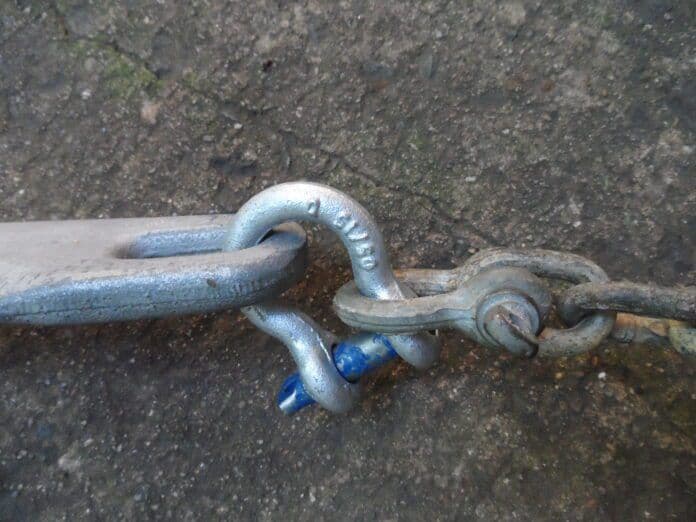
The danger here is not cosmetic. A round hole or a slot can change how the shackle sits when the boat yaws, snatches, or shifts on the rode, and that load path decides whether the connection works cleanly or starts prying itself apart under strain.
Why this tiny detail matters at anchor
Practical Sailor’s April 6 piece treats anchor selection as a system problem, not a brand-name problem. The anchor, the shackle bow, the pin orientation, the chain grade, and the shank geometry all have to work together when the load comes from an awkward angle. If one part forces the shackle to twist, bind, or lever against the shank, the hardware can wear faster and the connection can lose the natural articulation you want when conditions turn ugly.
That is the real hidden failure. A setup can look fine at the dock and still be vulnerable once the boat surges in gusts, current, or wave action. Ground tackle is one of the few systems aboard that has to perform at its worst moment, so a poor shackle fit is not a small nuisance. It is a confidence problem, a holding-power problem, and in the extreme, a safety problem.
Round hole versus slot, and why the answer is not obvious
The easy assumption is that a slot must be better because it seems to offer more freedom. In practice, that is not always true. Practical Sailor’s point is that a round hole can be the better choice in some setups if the right shackle is paired with it, because the load can align more cleanly and avoid the awkward levering that can happen when a slot is used badly.
That matters because the goal is not just to connect metal to metal. The goal is to keep the rode loading through the center of the shackle bow instead of at an angle that forces the pin and threads to do the work they were never meant to do. When the geometry is right, the connection settles naturally under strain. When it is wrong, the hardware starts working against itself.
Where side-loading starts to hurt
The most important warning sign is side-loading. Practical Sailor’s earlier coverage, including its 2016 anchor shackle roundup, said that if side-loading reduces strength by 50 percent or more, the shackle is unfit for anchor rode service in its opinion. That is a serious drop for a piece of hardware standing between your boat and the bottom.
The magazine’s earlier anchor-shackle report also found that the worst failures happened when loads concentrated at the pin threads and pried the shackle open. That is exactly the kind of failure mode a sailor wants to prevent before departure, because it does not announce itself with drama. It shows up as wear, odd articulation, a pin that does not sit right, or a connection that wants to bind under load.
Crosby’s shackle guidance reinforces the same lesson. Its documentation says angular loading of screw pin and bolt type shackles can require reducing working load limit to 50 percent, and it warns that round pin shackles should never be side loaded. Crosby also says the load should be centered in the bow and screw pins should be fully engaged. In rough terms, if the shackle is being asked to bend the wrong way, the margin disappears fast.

The combination most likely to bind
The riskiest setups are the ones that let the load come in from the side and concentrate on the pin. That can happen when the shackle is too loose in the shank opening, when the pin orientation does not let the bow sit square, or when the rode pulls off-axis as the boat swings. If the load is not centered in the bow, the threads and pin shoulders can become the stress point instead of the whole body of the shackle sharing the load.
Swivels add another layer of caution. Mantus Marine warns that swivels fitted directly into the shank can be side loaded and fail at much lower loads than their rating. Its recommendation is simple and practical: use a shackle or a short chain between the anchor and the swivel to prevent that problem. That small extra piece can keep the swivel from being forced into a bad angle every time the boat moves.
A dockside inspection checklist that catches the problem early
A quick anchor rode check can reveal a lot before you need the gear in anger:
- Make sure the shackle bow sits centered in the hole or slot, not cocked to one side.
- Verify that the load path looks straight when the rode is pulled from an angle.
- Check that the pin is fully engaged, then secure it against rotation or loosening for long-term or high-vibration use.
- Look for wear at the pin threads, bow edges, and any point where the hardware has been prying open.
- Compare the chain grade to the shackle rating, because the weakest part is what sets the real limit.
- If a swivel is mounted directly to the shank, rethink the connection and add a shackle or short chain link.
- Treat any setup that visibly twists, binds, or shifts under hand load as a warning, not a minor annoyance.
Practical Sailor’s 2015 reader example makes the point starkly. It contrasted 3/8-inch G43 chain rated at 5,400 pounds MWL with a similarly sized shackle rated at 2,000 pounds MWL. That gap is the kind of thing that catches sailors off guard, because the chain may look stout while the shackle becomes the weak link. One small mismatch can decide whether the rode is working as a system or failing at the first bad angle.
The cheapest fix is often the smartest one
The lesson running through Practical Sailor’s coverage, and echoed by Crosby and Mantus Marine, is that the answer is usually not a more expensive anchor. It is a more thoughtful connection. A different shackle shape, a better pin orientation, or a short chain link in the right place can solve a load-path problem that would never be fixed by spending more on the casting itself.
That is the kind of upgrade DIY sailors should value most. A cheap hardware change can prevent a costly failure, protect the rode from premature wear, and keep the anchor behaving the way it should when the boat starts to surge. When the weather goes bad, the gear that matters most is the gear that stays aligned, stays centered, and keeps loading the way it was meant to.
This article was produced by Prism’s automated news system from verified source data, official records, and press releases, then run through automated quality and moderation checks before publishing. The system is built and supervised by the people who set the standards it runs under. Read our full AI policy.
Did this article answer your question?