Starlink offshore, Gen 2 or Mini for cruising sailboats?
Starlink Mini keeps the load light, but Gen 2 and maritime service make more sense once offshore internet becomes a daily system instead of a convenience.
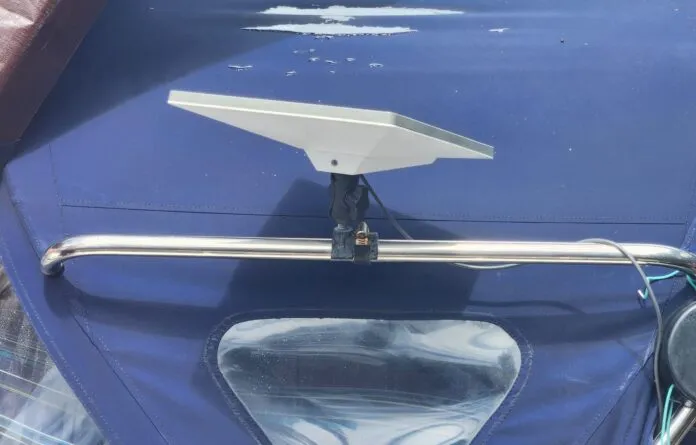
On a cruising sailboat, the split between Starlink Mini and Performance Gen 2 starts with battery draw, deck space, and the 12-mile line. One is a portable, low-power compromise; the other is the heavier-hitting setup for boats that want offshore connectivity built into the system.
Power is the first fork in the road
In Starlink’s specs, the Mini averages 20 to 40 watts and idles at 15 watts, while Performance Gen 2 averages 110 to 150 watts and idles at 45 watts. That puts the Gen 2 at roughly three to five times the draw of the Mini, depending on conditions, and on a sailboat that difference shows up everywhere from solar planning to battery reserve to how long you are willing to leave the system awake.
That gap matters most underway, when every amp is already spoken for by refrigeration, instruments, autopilot, lights, and charging. A Mini can fit into a smaller cruising electrical system without demanding a redesign, which is why it is the easier fit for boats that want weather files, routing, and family communication without turning communications into their biggest load. Gen 2 makes sense when the boat is already wired to support a more serious house bank and a more deliberate power plan.
The Mini is the portable answer, but only if you accept the compromise
The Mini kit’s appeal is obvious the moment you look at what comes in the box: an integrated Wi-Fi router, a 15 meter DC power cable, and a 115 VAC adapter. That is a package built for flexibility, not a permanent deck build, and it suits the boat where gear has to move between underway, anchor, and stowage without drama.

For a coastal cruiser, that convenience can be enough. The Mini gives you a lighter footprint for day-to-day internet use, and Roam plans support in-motion use regardless of hardware, so you are not forced to shut the system down just because the boat is moving. Where it fails is when the cruise stops being local. Roam service only covers coastal waters up to 12 nautical miles offshore, with a five-consecutive-day limit and a 60-days-per-year cap, so the Mini is best when your sailing life stays close enough to shore that those rules feel manageable.
Gen 2 is the stronger backbone for bigger offshore expectations
Performance Gen 2 makes sense when the boat’s communications gear is no longer a portable add-on but part of the cruising infrastructure. The power draw alone tells you it wants a more substantial installation, and maritime service is designed for permanent installation on vessels and includes coverage in international waters.
That is why Gen 2 fits passagemakers and liveaboards better than it fits casual weekend sailors. If you are crossing oceans, spending long stretches at remote anchorages, or running a boat where internet access is tied to work, family, and weather routing every single day, a fixed system is easier to live with than a portable one that needs extra attention each time you move it.
Gen 2 is harder to justify on smaller electrical systems, less attractive on a boat where every piece of hardware has to earn its keep, and overbuilt for sailors who only need occasional offshore access.
The real offshore divide is not motion, it is policy
A lot of sailors worry first about heel, motion, and whether the dish can stay alive while the boat is moving. Roam plans support in-motion use regardless of hardware. That shifts the decision away from the sailing motion itself and back toward the practical limits that actually interrupt service: where you are allowed to use it, how long you can stay within the plan rules, and how much you are willing to pay once you go beyond them.
Ocean Mode is the bridge across that boundary. It is required beyond 12 nautical miles from shore in international waters, it is billed per gigabyte, and it carries higher priority than standard Roam data.
Where each unit makes sense
A coastal cruiser can get a lot done with the Mini if the goal is practical connectivity, light power use, and easy stowage. A racer will notice the Mini’s lower draw first, but still has to weigh every mounted piece of gear against space, weather exposure, and onboard simplicity. A passagemaker with serious offshore ambitions is usually looking past the Mini and toward a permanent installation, especially once Ocean Mode or maritime data becomes part of the routine. A liveaboard boat can go either way, but only if the electrical system and the owner’s tolerance for permanent hardware line up with the choice.
If you want a system built to live on the vessel, including international waters coverage, it is aimed at permanent use, not casual portability. The affiliate installer option starts at $1,450, which puts a number on the difference between a grab-and-go internet kit and a marine communications system you plan to keep bolted into the boat.
This article was produced by Prism’s automated news system from verified source data, official records, and press releases, then run through automated quality and moderation checks before publishing. The system is built and supervised by the people who set the standards it runs under. Read our full AI policy.
Did this article answer your question?