10 Creative Mix-Ins to Elevate Your Sourdough Beyond the Basics
Ten mix-ins that transform a standard sourdough loaf into something worth sharing, from bold flavor pairings to unexpected textures.
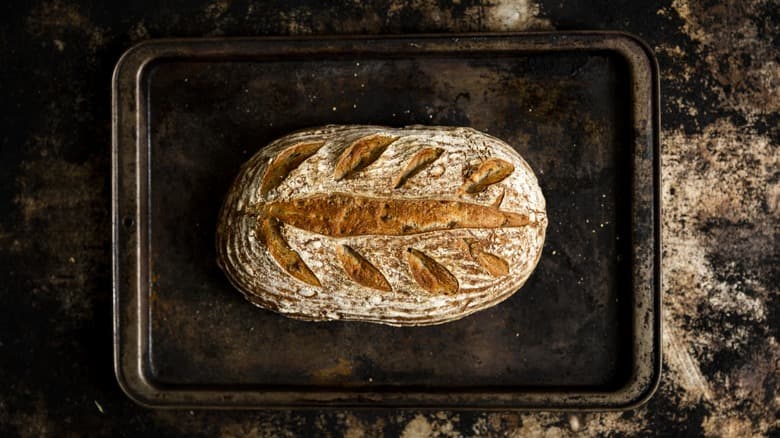
Sourdough bakers who have mastered the open crumb and the ear know the feeling: the process is dialed in, but the loaf itself has started to feel routine. The answer isn't a new hydration ratio or a different flour blend. It's what goes inside.
Adding mix-ins to sourdough is one of the most rewarding ways to push your baking forward without abandoning the fundamentals you've spent months building. The lamination technique, the fold-and-incorporate method, and the timing of additions during bulk fermentation all become new puzzles to solve. Here are ten mix-ins worth exploring, drawn from Emily Hunt's practical guide for bakers ready to move past the plain country loaf.
Olives
Olives bring brininess and fat to a crumb that's otherwise defined by tang and chew. Kalamata olives are the most common choice, their deep purple flesh and assertive flavor cutting through the mild nuttiness of a white or whole wheat base. Roughly chopping them before folding in ensures even distribution and prevents wet pockets from forming inside the loaf. A well-incorporated olive loaf pairs naturally with hard cheeses and olive oil for dipping, making it one of the most crowd-pleasing variations you can pull from your oven.
Roasted Garlic
Roasting garlic before it ever meets your dough is non-negotiable. Raw garlic contains enzymes that can interfere with gluten development and fermentation, but roasting neutralizes those enzymes while transforming sharp pungency into something sweet, caramelized, and almost buttery. Whole roasted cloves folded in during the final lamination hold their shape and release flavor gradually as the loaf bakes. The aroma alone makes roasted garlic sourdough one of the most dramatic loaves you can produce, filling the kitchen long before the crust sets.
Sun-Dried Tomatoes
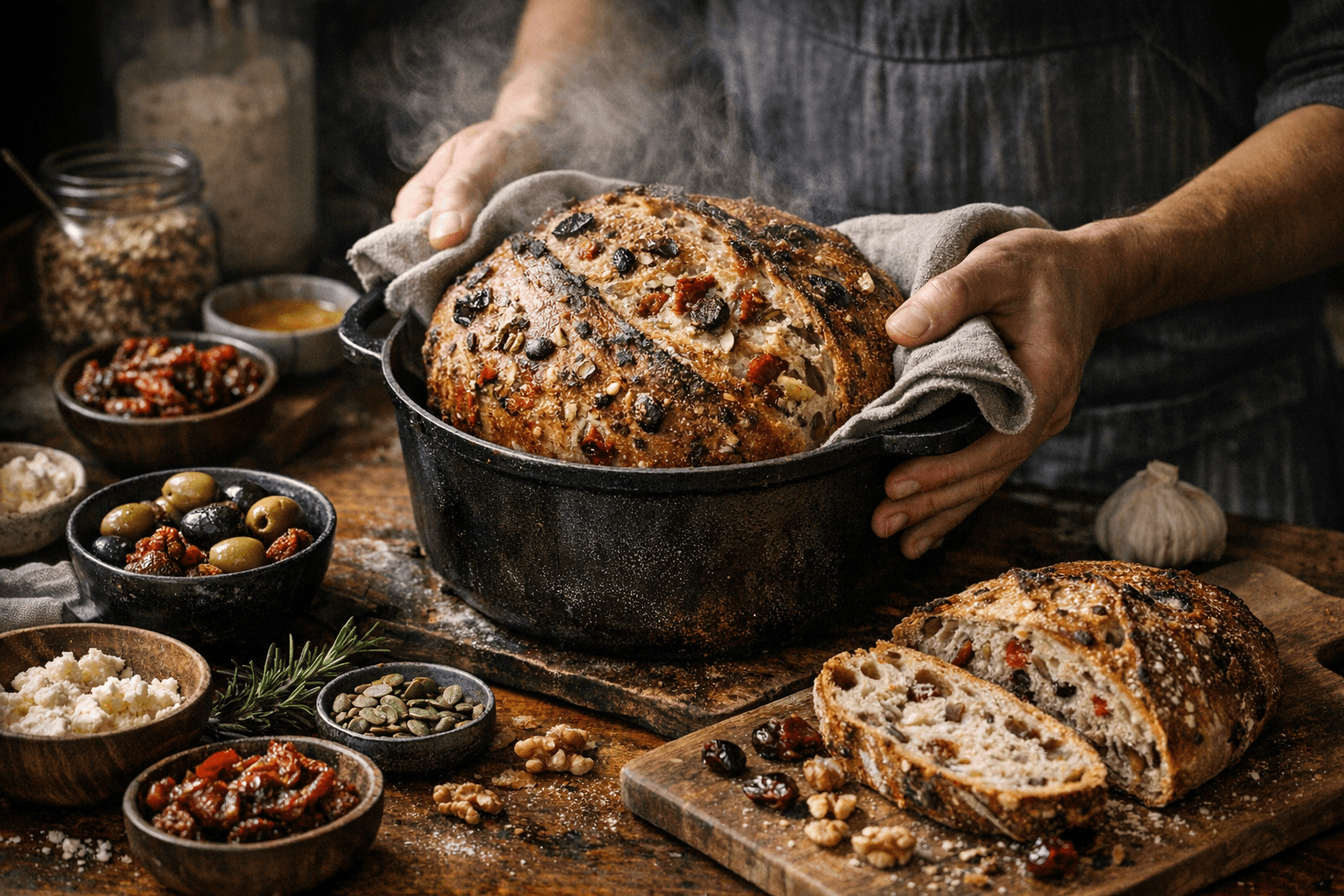
Sun-dried tomatoes introduce concentrated umami and a chewy, almost meaty texture that contrasts beautifully with an airy crumb. Oil-packed varieties work best; they're pliable enough to incorporate without tearing the gluten network, and the residual oil adds subtle richness to the dough. Rough-chopping them into half-inch pieces helps distribute that flavor throughout each slice rather than leaving long, stringy seams. Pair them with fresh herbs or rosemary for a loaf that leans decidedly Mediterranean.
Fresh Herbs
Rosemary is the classic entry point, its woody fragrance surviving the heat of a Dutch oven bake with remarkable persistence. But the category opens up considerably once you start experimenting: thyme, sage, and chives each bring their own aromatic profile and pair differently with the sourdough's natural acidity. Fresh herbs should be chopped and incorporated during lamination rather than kneaded in, which protects both the herb structure and the gluten strands you've worked to develop. Woody herbs hold up better to the long fermentation schedule; delicate options like basil tend to darken and turn bitter.
Cheese
Cheese is one of the most transformative mix-ins available, and it works on multiple levels inside a loaf. Cubed or crumbled cheese melts into pockets during the bake, creating rich, gooey nodes in the crumb while contributing fat that softens the overall texture. Aged cheddar, Gruyère, and Parmesan are popular choices because their lower moisture content reduces the risk of a gummy interior; fresh mozzarella, by contrast, releases enough water to disrupt the crumb structure if used too liberally. A dusting of Parmesan on the exterior before scoring adds a savory, crispy crust that regular sourdough simply can't replicate.
Walnuts
Walnuts have an almost gravitational affinity for sourdough, their bitterness and crunch playing off the long-fermented tang in a way that feels intentional rather than additive. Toasting them first is essential: raw walnuts carry tannins that can leave a harsh aftertaste, but ten minutes in a dry skillet unlocks their deeper, nuttier profile. Combined with dried fruit, particularly figs or cranberries, toasted walnuts anchor what becomes a genuinely complex loaf suited to a cheese board or simply eaten with good butter. Fold them in gently during the final set of coil folds to keep walnut pieces intact through shaping.
Dried Fruit
Raisins, dried cranberries, chopped apricots, and figs each bring natural sweetness and a soft, jammy texture that works in surprising counterpoint to sourdough's acidity. The key is ensuring the fruit is pliable before incorporating; if pieces are too dry and hard, they can tear the dough during lamination and create uneven pockets. A brief soak in warm water, or even a splash of something more interesting like apple cider, softens them sufficiently without waterlogging the dough. Fruit-forward sourdoughs also tend to take on a deeper color during the bake, as the sugars in the fruit contribute to a richly bronzed crust.
Seeds
Seeds offer texture, nutrition, and visual interest in a single addition. Sesame, poppy, caraway, fennel, and sunflower seeds each carry distinct flavor profiles, and many bakers use blends rather than single varieties to build complexity. Seeds added to the exterior of the loaf before baking produce a crackly, aromatic crust; seeds worked into the interior contribute crunch and nuttiness throughout the crumb. Toasting interior seeds beforehand, just as with walnuts, intensifies their flavor and prevents them from tasting raw or starchy after the bake.
Nuts Beyond Walnuts
While walnuts earn their own spotlight, pecans, hazelnuts, and almonds open equally compelling possibilities. Pecans bring a sweeter, butterier richness that pairs well with cinnamon or orange zest in a slightly enriched dough. Hazelnuts, particularly when paired with dark chocolate chips, produce a loaf that straddles the line between bread and dessert in the most satisfying way. The same toasting principle applies across all nuts: a few minutes of dry heat is the difference between a nut that tastes like it belongs in the dough and one that tastes like it was forgotten there.
Chocolate and Sweet Additions
Dark chocolate chunks or chips represent the sweet end of the sourdough mix-in spectrum, and they're more versatile than bakers often expect. The bitterness of high-percentage dark chocolate, 70% cacao or above, harmonizes with sourdough's acidity rather than clashing with it. Chunks hold their shape better than chips during a long bake, creating defined pools of molten chocolate in the crumb rather than dispersing into a muddy swirl. A small addition of flaky sea salt either folded in or sprinkled on top before baking amplifies the chocolate and keeps the loaf from tipping into pure sweetness.
The most important principle cutting across all ten of these additions is restraint in the early experiments. Too much of any single mix-in, and you start fighting the dough's structure rather than working with it. Start at 15 to 20 percent of the total flour weight as your mix-in target, dial in the incorporation technique, then build from there. The best sourdough mix-in loaves still taste like sourdough first; the addition enhances rather than overwhelms, and the crust is still worth tearing into on its own.
This article was produced by Prism’s automated news system from verified source data, official records, and press releases, then run through automated quality and moderation checks before publishing. The system is built and supervised by the people who set the standards it runs under. Read our full AI policy.
Did this article answer your question?