15 Spring Sourdough Recipes for Citrus Loaves, Berry Bakes, and More
McKenna Pulda's spring roundup on Simplicity and a Starter covers 15 sourdough recipes built around citrus and berries, from crusty artisan loaves to quick discard bakes.
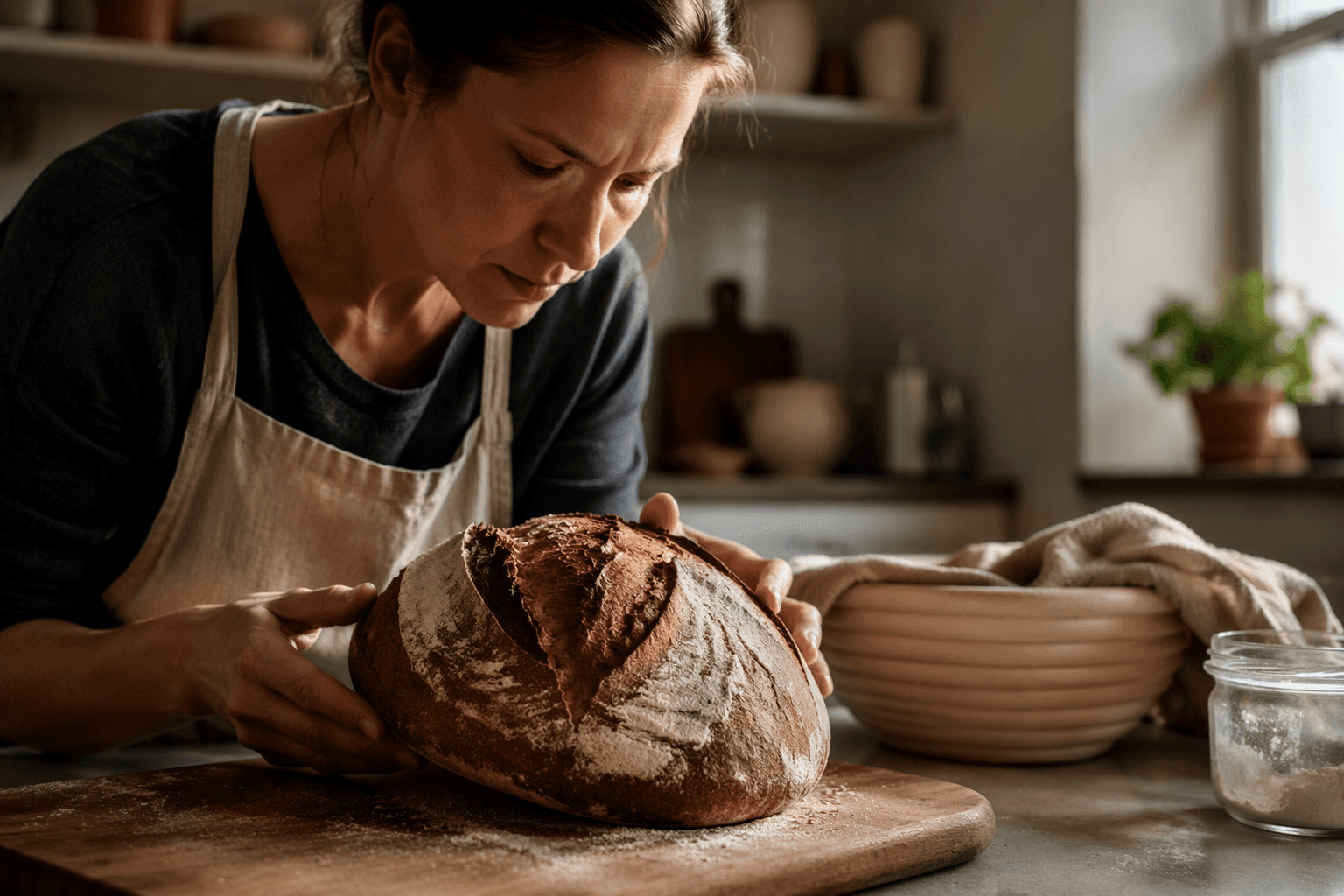
Spring changes everything for sourdough bakers. Warmer ambient temperatures accelerate fermentation, starter peaks faster, bulk ferment timelines tighten, and the whole process becomes noticeably more forgiving. McKenna Pulda of Simplicity and a Starter timed her spring collection of 15 sourdough recipes to capture exactly this seasonal shift: bright fruit is in season, kitchens are warming up, and there's every reason to move beyond the classic country loaf toward something citrus-forward and berry-filled.
The 15 recipes span active-starter loaves and enriched breads alongside a strong lineup of discard-friendly muffins, scones, and quick bakes. Each entry links to a full recipe with notes on timing, ingredient swaps, and which form of starter works best. Here's what the collection delivers.
Lemon Blueberry Sourdough Bread
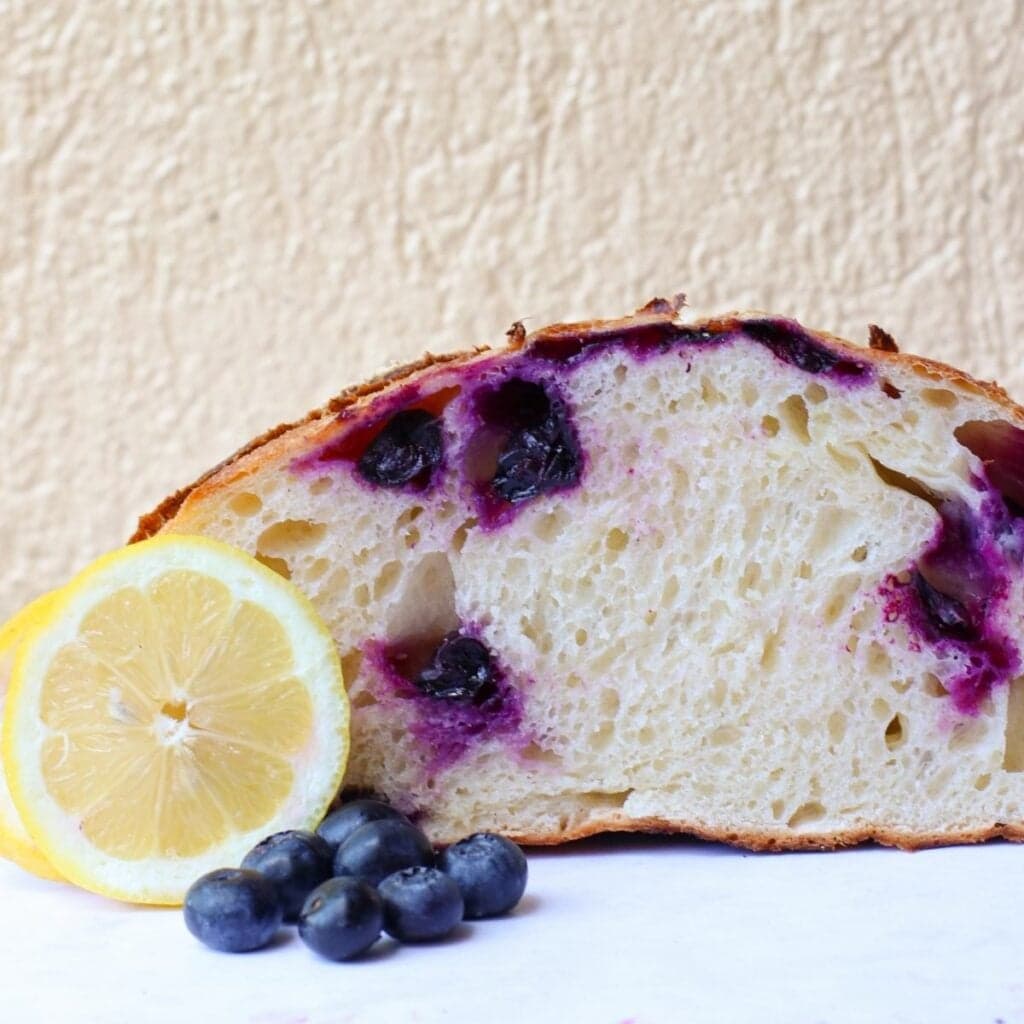
The headline loaf pairs juicy blueberries with fresh lemon zest for a crusty artisan boule that Pulda describes as the loaf you'll want to bake all spring. The formula starts with 50g of active starter and 350g filtered water, building a shaggy dough with 500g bread flour and 11g salt before a resting phase. Blueberries and lemon zest are incorporated as inclusions, a technique that requires gentle handling to keep berries intact and achieve even distribution through the crumb. This is an active-starter recipe: fermentation does the heavy lifting, and the citrus and berry flavors deepen as the dough develops.
Sourdough Lemon Loaf
Where the artisan loaf goes for rustic crust and fermentation depth, the Sourdough Lemon Loaf leans into buttery, cake-like texture. Fresh lemon juice and zest go into the batter itself, then a lemon syrup soaks the crumb and a glaze finishes the top, three distinct layers of citrus flavor in one bake. Greek yogurt keeps the loaf moist for days. This is a discard-friendly recipe, making it ideal for bakers who want vivid results without committing to the full timing cycle of an active-starter loaf.
Blueberry Lemon Poppy Seed Sourdough Muffins
This recipe calls for one cup of sourdough discard, ideally no older than one or two days. Pulda recommends fresh discard for sweet bakes because older discard can carry an acidity that overpowers delicate fruit flavors. Sour cream provides the moisture base (Greek yogurt is a direct substitute), and a crumble topping made with cold, cubed butter adds textural contrast. The combination of blueberry, lemon, and poppy seed follows a classic bakery format, and the discard component delivers a gentle tang that cuts through the sweetness without dominating.
Sourdough Blueberry Muffins
A simpler, more everyday version of the blueberry muffin, this recipe prioritizes a high dome and tender crumb through a combination of brown sugar and sour cream. Bakers can bake the batter same-day or refrigerate it overnight for deeper flavor, a low-effort way to develop complexity without the demands of long fermentation. That overnight rest fits naturally into schedules where morning baking means prepping the night before, and Pulda notes the method consistently produces muffins with a richness that outpaces most commercial bakery versions.
Sourdough Blueberry Scones
These scones are discard-based and built around cold butter, the standard technique for achieving a flaky, layered crumb rather than a cakey, dense one. A dash of cinnamon runs through the dough, the edges bake up slightly crispy with a light sugar crunch on top, and a vanilla glaze finishes each piece. Adding lemon zest to the dough and lemon juice to the glaze produces a lemon blueberry variant that is bright and fresh, an easy switch for bakers who want a more citrus-forward morning bake.
Sourdough Orange Rolls
The collection's most enriched and labor-involved recipe, these rolls use an active starter and incorporate fresh orange juice and zest directly into the dough for a natural, fruit-forward sweetness rather than extract-based flavoring. A heavy cream pour-over before baking produces an exceptionally soft, pull-apart texture. The recipe includes built-in make-ahead flexibility: shaped rolls can be retarded in the refrigerator overnight, then baked fresh in the morning. For dairy-free bakers, almond or oat milk substitutes for dairy, plant-based butter replaces standard butter, and the cream pour-over can be omitted.
Sourdough Blueberry Buckle
A buckle sits somewhere between a cake and a coffee cake: fruit folded into a tender batter, typically finished with a streusel topping that "buckles" into the fruit as it bakes. This recipe sits at the more casual end of the collection, designed as a weekend bake that showcases peak blueberry season with minimal technical complexity. Like the muffins and scones, it draws on discard for its base and relies on standard leavening for lift.
Discard Quick Breads and Sweet Bakes
Beyond the seven recipes above, the full roundup fills out to 15 with a range of additional discard-friendly quick breads and sweet bakes. Pulda's approach throughout is consistent: use discard no more than one or two days old for sweet recipes, match the starter's age to the flavor profile you're chasing, and treat glazes and toppings as active flavor tools rather than decoration.
Active Starter vs. Discard: Knowing Which to Use
Several recipes in this collection specifically require active, fully risen starter. The artisan lemon blueberry loaf and the orange rolls both depend on peaked starter for lift and structure that discard alone cannot provide. Muffins, scones, the lemon loaf, and quick breads use discard, relying on baking powder or baking soda for rise. Pulda flags this distinction explicitly throughout the collection, which is particularly valuable for newer bakers who haven't yet developed the habit of aligning starter feeding schedules with their baking plans.
Fermentation in Spring Kitchens
Active starter can take anywhere from 4 to 12 hours to peak, depending on ambient temperature, hydration, and feeding ratio. A kitchen running warmer can shorten that window significantly. Pulda's beginner bread recipes explicitly note that schedules are calibrated for a 70°F environment, and that higher temperatures speed the process while lower ones lengthen it. The spring timing of this collection is intentional: warming kitchens produce more predictable, manageable fermentation windows, and the fruit inclusions and glazes reward that attention to timing with genuinely seasonal results.
Overnight Retards and Scheduling Flexibility
Several bakes in the collection, including the orange rolls and blueberry muffins, accommodate overnight refrigerator retards. Chilling a shaped dough or prepared batter slows fermentation dramatically, extending the bake window and often deepening flavor. For bakers with irregular schedules or early-morning bake goals, this flexibility is the difference between a recipe that works in real life and one that demands an unbroken block of attention.
Hydration and Fruit-Heavy Doughs
Adding fresh blueberries or citrus zest to a sourdough dough introduces moisture. Pulda's notes on fruit-inclusion loaves include hydration cues: fresh berries especially release liquid during bulk ferment and baking, which affects crumb structure if the base dough isn't adjusted. The standard practice is to fold in inclusions at the end of bulk ferment rather than at mixing, limiting how much juice bleeds into the dough and preserving whole-fruit pockets through the baked crumb.
Glaze and Topping Strategies
Across the collection, glazes and toppings do active flavor work. The lemon loaf uses both a soak and a glaze, two distinct sugar applications at different baking stages. The blueberry scones get a vanilla glaze. The blueberry muffins and buckle both carry crumble toppings. In each case, the sweet finish pulls against the natural acidity of the starter, and Pulda's notes identify this balance as central to making fruit-forward sourdough bakes land as approachable and crowd-pleasing.
A Resource for Instructors and New Bakers
This roundup is structured to be useful beyond the individual home baker. Class instructors planning hands-on workshops can feed a single starter and branch it across multiple recipes in the same session. The range of difficulty, from quick discard muffins to shaped, enriched orange rolls, supports different experience levels within the same group. Detailed notes on substitutions and expected results make each recipe adaptable to the equipment and ingredient variations that real kitchens inevitably present.
Spring as the Gateway Season for Sourdough
The broader argument running through this collection is that spring is the best moment to expand a sourdough practice. The "starter guilt" that can accumulate during quieter winter months, when discard builds up and fewer bakes happen, resolves quickly when there are 15 ready-to-use seasonal targets. Pulda's framing encourages bakers to treat every feeding as a baking opportunity, and the fruit-forward focus of this collection gives tangible, seasonally specific reasons to do exactly that. A single active starter can produce an artisan citrus loaf on Saturday, blueberry muffins on Sunday morning, and a batch of lemon scones before the week is out.
This article was produced by Prism’s automated news system from verified source data, official records, and press releases, then run through automated quality and moderation checks before publishing. The system is built and supervised by the people who set the standards it runs under. Read our full AI policy.
Did this article answer your question?