37 sourdough trends and techniques every baker should know
Learn 37 sourdough trends, techniques, and practical tips to upgrade your loaves, soften crumb, and connect with your local baking community.
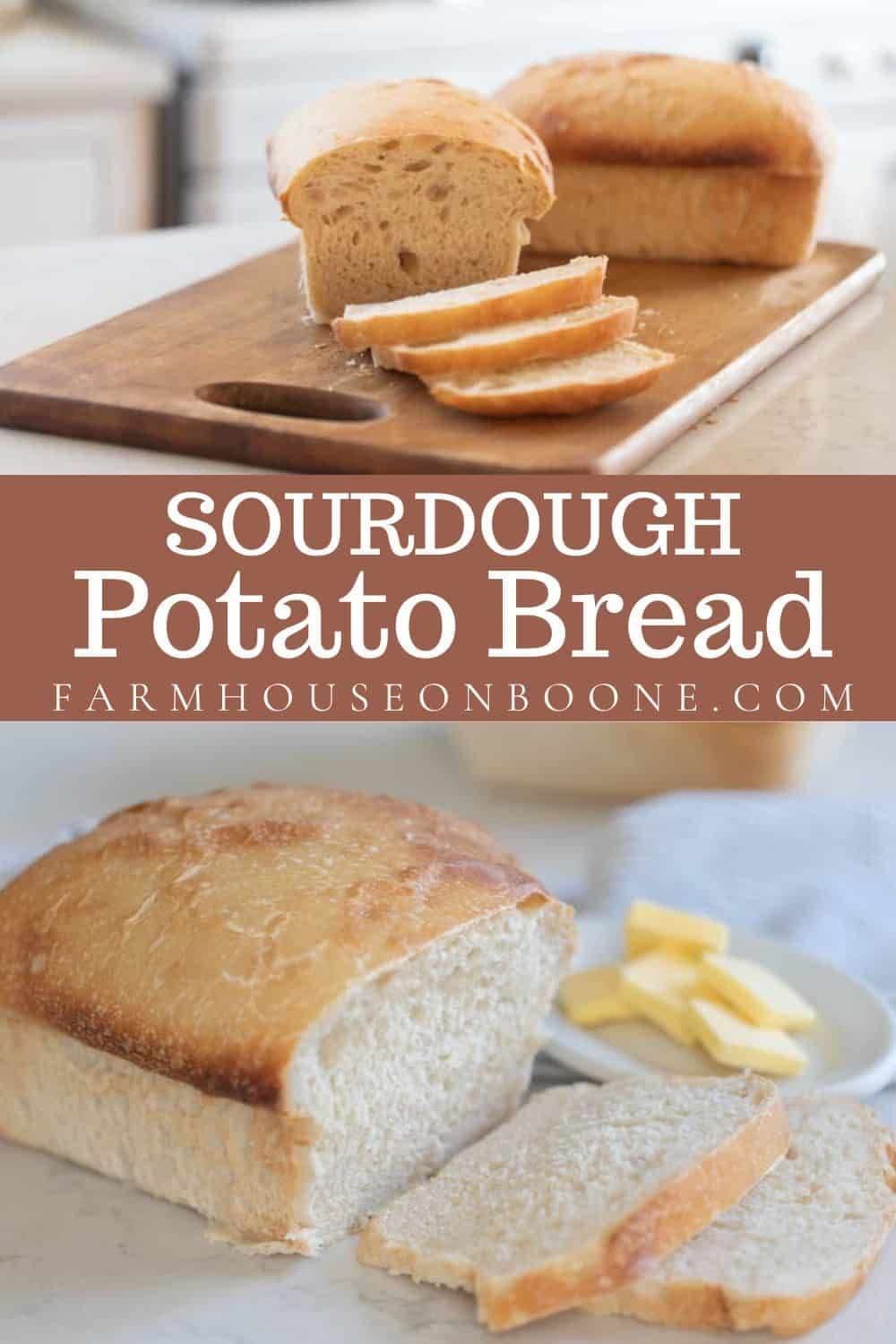
1. Potato-enriched sourdough
Adding mashed potato to fermented dough creates a softer, pillowy crumb while keeping the classic sourdough tang. London restaurants and bakers are experimenting with small potato-enriched loaves and rolls, seen in Covent Garden and other venues, so you can expect this textural spin on sourdough to appear on menus and inspire home versions. Try substituting part of the water with mashed potato or potato water to boost moisture and shelf life without losing that fermented depth.
2. High-hydration loaves
Pushing hydration into the 75–85% range gives open crumb, big alveoli, and a glossy interior when handled correctly. You’ll need gentle stretch-and-folds and confidence with wet dough, but the payoff is dramatic oven spring and a bakery-style crumb. Hydration experiments are a great way to dial in flour behavior and learn how different mills respond.
3. Ancient and heritage grains
Integrating spelt, emmer, einkorn, and rye adds flavor complexity and unique textures to your loaves. These grains can demand different hydration and handling, so adjust autolyse and folding schedules accordingly. Using local or traceable grain connects your bread to place and community growers.
4. Seeded and wholegrain mix-ins
Sunflower, flax, sesame, and mixed seeds not only boost nutrition but also give tactile contrast and crunch. Toast seeds first for flavor and add them during stretch-and-folds to ensure even distribution. Seeded loaves are crowd-pleasers at markets and potlucks, and they store well sliced for snacks.
5. Long cold fermentation (retarding)
A long overnight or multi-day cold proof develops deeper, more nuanced sour notes and better keeping qualities. Cold retarding also gives you schedule flexibility; bake when it suits you rather than when dough demands it. Learn how to balance temperature and starter strength so you don’t over-acidify the crumb.
6. Autolyse and dough resting
A proper autolyse relaxes gluten and reduces mixing time while improving extensibility and crust color. Even 20–60 minutes of rest can transform a stubborn dough into something silkier to handle. Autolyse is one of the most efficient ways to get better structure with less elbow grease.
7. Stretch-and-fold technique
Replace heavy kneading with timed stretch-and-folds during bulk fermentation to build strength without overworking the dough. This technique preserves gas pockets and improves oven spring, especially with high hydration doughs. Practice rhythm and feel rather than rigid counts, your dough will tell you when it’s ready.
8. Scoring styles and lame use
Scoring controls where the loaf expands and is a signature visual element of your baking. Learn simple patterns and how blade angle affects bloom; a shallow single slash and deeper cuts behave very differently. Treat scoring as both function and art, you’ll get more consistent loaves and a little personal flair.
9. Dutch oven and cloche baking
Sealed cooking vessels trap steam for beautiful crust and oven spring, making them a staple for home bakers. Preheat thoroughly and use a heavy pot with lid for the most reliable results. If you lack a dutch oven, there are other ways to introduce steam successfully.
10. Baking steel and steam tray alternatives
Baking steels deliver fast, even heat transfer and a crisp bottom crust; pair with a steam tray or sprayed steam to mimic professional ovens. They’re great for hearth-style loaves and pizzas alike, and they speed up baking time. A steel is an investment that helps when you bake frequently.
11. Proofing baskets and linen (banneton)
Bannetons support dough shape during final proof and create those pretty spiral marks on your loaf. Use linen or floured cane baskets and learn how to change release methods for different flours. Proofing baskets also make transport and staging easier for community bakes.
12. Weighing by baker’s percentages
Baker’s percentages standardize recipes and make scaling reliable: flour is 100% and everything else is expressed relative to it. This system helps you tweak hydration, starter ratios, and mix-ins precisely. Once you think in percentages you’ll find adjusting recipes far easier.
13. Starter care and feeding schedules
Consistent feeding schedules and temperature control are the backbone of reliable fermentation. Learn to maintain a mature starter, refresh it for baking, and keep it healthy in the fridge between bakes. A lively starter is your best insurance against poor rise or inconsistent flavor.
14. Starter swaps and community cultures
Trading starter cultures builds community and connects bakers with unique microbial profiles from different places. Share starter care tips and feeding logs so recipients can adapt quickly. These swaps are a social glue at bread clubs and farmers markets.
15. Digital tools and starter tracking apps
Apps and spreadsheets help you track feeds, temperatures, and rise times so you can reproduce successes. Logging variables such as flour type, ambient temperature, and proof duration speeds learning. Use tech as a lab notebook for your sourdough experiments.
16. Home proofing boxes and temp control
A dedicated proofing box or DIY insulated towel box lets you control fermentation tempi without relying on variable room temps. Stable temperatures yield predictable results and shorter learning curves for newcomers. You can build one on a budget with a warm spot and a thermometer.
17. Small-format rolls and buns resurgence
Small loaves, rolls, and slider buns are making comebacks in cafes and homes for portion control and versatility. They proof faster and are less intimidating for bakers learning shaping and scoring. Rolls are an excellent way to showcase special doughs like potato-enriched blends.
18. Sourdough pastries and laminated doughs
Sourdough culture is being used in laminated doughs for croissants and danishes, offering deeper flavor and longer keeping. The technique raises complexity, temperature control and dough strength become critical. If you like a challenge, sourdough laminated pastries are a delicious frontier.
19. Sandwich loaves and pan techniques
Pullman-style or sandwich loaves give consistent crumb and are perfect for everyday sandwiches and toasting. Use straight doughs, controlled proofs, and tin sizes suited to your needs. These loaves are a practical staple for families and community bake exchanges.
20. Using potato water and starch
Beyond mashed potato, potato cooking water and starch can enrich dough, improving softness and crumb retention. Save the water when boiling potatoes and use it in place of part of your dough water for subtle texture boosts. It’s a smart, sustainable trick that reduces waste and elevates crumb.

21. Gluten sensitivity and long-ferment approaches
Extended fermentation can reduce FODMAPs and make breads easier to digest for some people, though it’s not a guarantee for celiac intolerance. Communicate clearly about ingredients and fermentation methods when baking for others. Longer ferments are a thoughtful tool for mindful feeding.
22. Zero-waste baking and discard recipes
Instead of tossing discard, use it in crackers, pancakes, muffins, or flatbreads to reduce waste and add tang. Sharing discard recipes at community events turns what was waste into shareable treats. It’s an eco-friendly habit that keeps your kitchen creative.
23. Seed-to-sourdough supply sourcing
Sourcing flour from local mills and small farms connects your loaves to the landscape and supports local economies. Try single-origin flours to notice subtle flavor differences and champion traceability. Community bakers often form buying groups to access specialty grains affordably.
24. Local bakery pop-ups and bread clubs
Organizing pop-ups or joining a bread club builds connections, offers feedback, and spreads skills in a friendly way. These events are ideal for trading tips, selling small batches, and testing new ideas like potato-enriched loaves. They help turn solo practice into shared craft.
25. Baking workshops and communal bakes
Workshops are fast routes to level up technique and troubleshoot live with peers and mentors. Host or attend hands-on sessions focusing on scoring, shaping, or hydration tactics. Communal bakes create momentum and celebrate the social life of bread.
26. Social media trends and short-form videos
Short videos that show shaping, scoring, or crumb pulls can teach quickly and spark ideas, but verify sources before copying methods. Use clips to showcase your process and invite local bakers to collaborate. Reel-friendly loaves like rolls and rustic boules perform well online.
27. Scoring as branding and bread identity
Your scoring pattern becomes recognizable and can help you stand out at markets or online. Develop a simple, repeatable motif that suits your loaf shapes and equipment. A consistent look helps customers know your bread at a glance.
28. Flavor balancing: controlling sourness
To tone down acidity, shorten fermentation, reduce starter percentage, or retarding time; to ramp up tang, increase bulk fermentation and warmer temps. Small adjustments have big effects, so change one variable at a time. Teaching these controls at community workshops empowers others to tailor flavor.
29. Using preferments and levains
Building a levain for flavor and strength gives cleaner rise and predictable aromas. Preferments let you separate starter refresh from bulk dough timing, giving you control over acidity and structure. Adopt preferments to plan bakes around your schedule.
30. Oven spring techniques
Hot initial oven temps, steam, and proper scoring all contribute to impressive oven spring. Preheat thoroughly and avoid opening the oven in the early minutes to preserve steam. Mastering oven spring is satisfying and makes your loaves look bakery-made.
31. Achieving pillowy crumb
For a soft, pillowy interior focus on protein content, adequate hydration, gentle handling, and enrichment options like potato or fats. Time under fermentation and gentle shaping preserve gas and tenderness. Pillow-like crumb is especially welcome in sandwich loaves and enriched rolls.
32. Troubleshooting dense or gummy crumb
Dense or gummy loaves usually come from underproofing, low oven temp, or starch not set due to insufficient bake time. Verify internal temperature, adjust proofing time, and ensure your bake finishes fully. Keep a troubleshooting log, patterns repeat until you fix the variable.
33. Refreshing stale sourdough
Revive day-old or stale bread by slicing and toasting, steaming briefly in the oven, or transforming into panzanella and bread pudding. Stale bread can be a feature not a flaw when repurposed creatively. Teach this resourcefulness in community classes to reduce waste.
34. Storage and freezing best practices
Slice before freezing and toast straight from frozen for convenience; store whole loaves in paper then in a plastic bag if you need longer shelf life. For fresh crust, avoid plastic at room temp and refresh in the oven when needed. Good storage preserves both texture and flavor.
35. Pairing sourdough with foods
Sourdough pairs beautifully with cultured butter, fermented spreads, strong cheeses, and hearty stews; think contrasts of texture and acidity. Suggest pairings at markets or tastings to help customers imagine uses. Pairings turn bread into a centerpiece at meals.
36. Equipment care and maintenance
Season and handle your dutch oven, keep your lame sharp, and brush bannetons clean after use; equipment longevity matters. Regular care prevents flavor transfer and ensures consistent performance. Share maintenance tips at bake-ins, it's a small habit with big returns.
37. Safety, hygiene, and discard use
Maintain clean surfaces, store starters properly, and use discard safely in cooked applications to avoid food-safety issues. Teach basic hygiene when leading community bakes to protect everyone’s health. Responsible practices keep sourdough a joy for bakers and eaters alike.
Our two cents? Embrace one new tweak at a time, from trying potato-enriched dough to mastering stretch-and-folds, and share what you learn. Baking is technical and social; the more you trade starters, tips, and fresh rolls, the faster your skills and your community rise.
This article was produced by Prism’s automated news system from verified source data, official records, and press releases, then run through automated quality and moderation checks before publishing. The system is built and supervised by the people who set the standards it runs under. Read our full AI policy.
Did this article answer your question?